Business
Cohn warns oil prices won't fall quickly if Iran truce holds
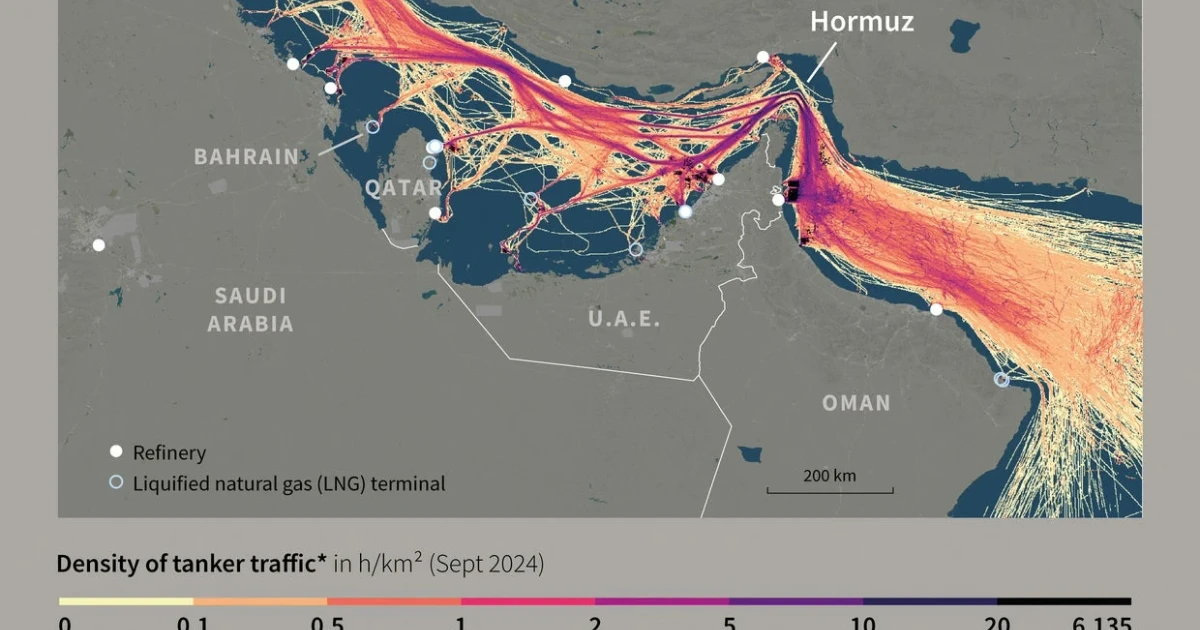
A truce with Iran would not translate into cheap gasoline at the pump overnight, Gary Cohn warned, because the market still has to see what happens in the Strait of Hormuz. The former National Economic Council director said oil prices were “not going to fall like a rock overnight,” underscoring the gap between political headlines and the slower mechanics of global energy supply.
The warning centers on a chokepoint only 29 nautical miles wide at its narrowest point, where roughly 20 million barrels per day of crude oil and oil products moved in 2025, including nearly 15 million barrels per day of crude alone. The strait also carried about 19% of global LNG trade, tying any disruption not just to gasoline and diesel, but to the broader energy balance for Qatar, the United Arab Emirates and markets in Europe and Asia.
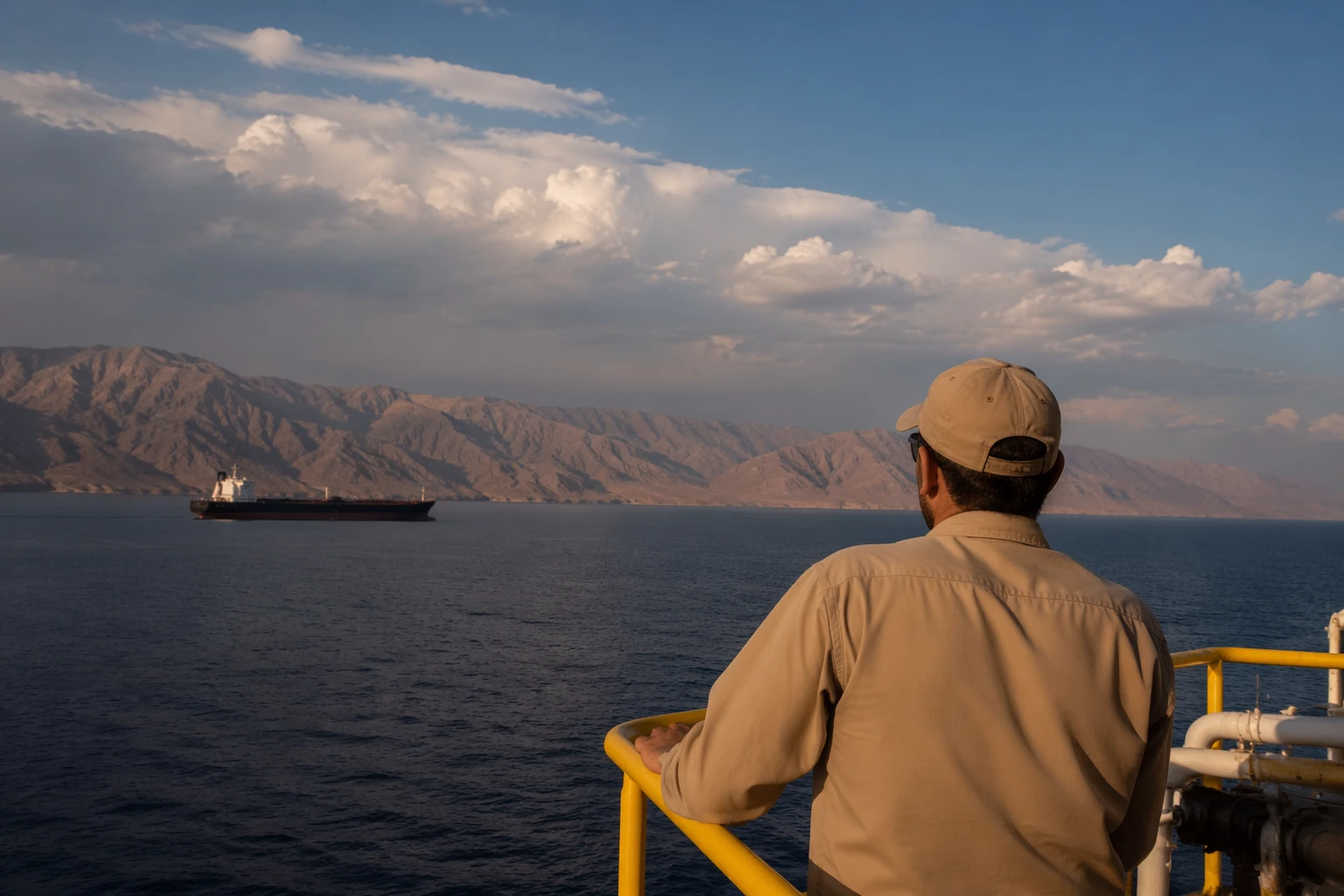
The U.S. Energy Information Administration said global oil markets have remained highly volatile because the strait has been in a de facto closure for more than three months, with shipping traffic extremely limited since military action began on February 28. Brent crude averaged $107 per barrel in May, down $10 from April, the first monthly average decline since December 2025. The agency said production shut-ins averaged 11.3 million barrels per day in May and expects that if flows resume in the third quarter, it could still take until early 2027 for production and trade patterns to generally return to pre-conflict levels.
Markets have already reacted to hints of diplomacy, but only cautiously. On June 9, U.S. crude futures fell 3.4% to $88.20 a barrel and Brent dropped 2.97% to $91.45 after Energy Secretary Chris Wright said ship traffic through Hormuz was “rising very meaningfully.” On June 12, WTI fell to $84.80 and Brent to $87.40 after reports of a draft peace deal that could reopen the strait.
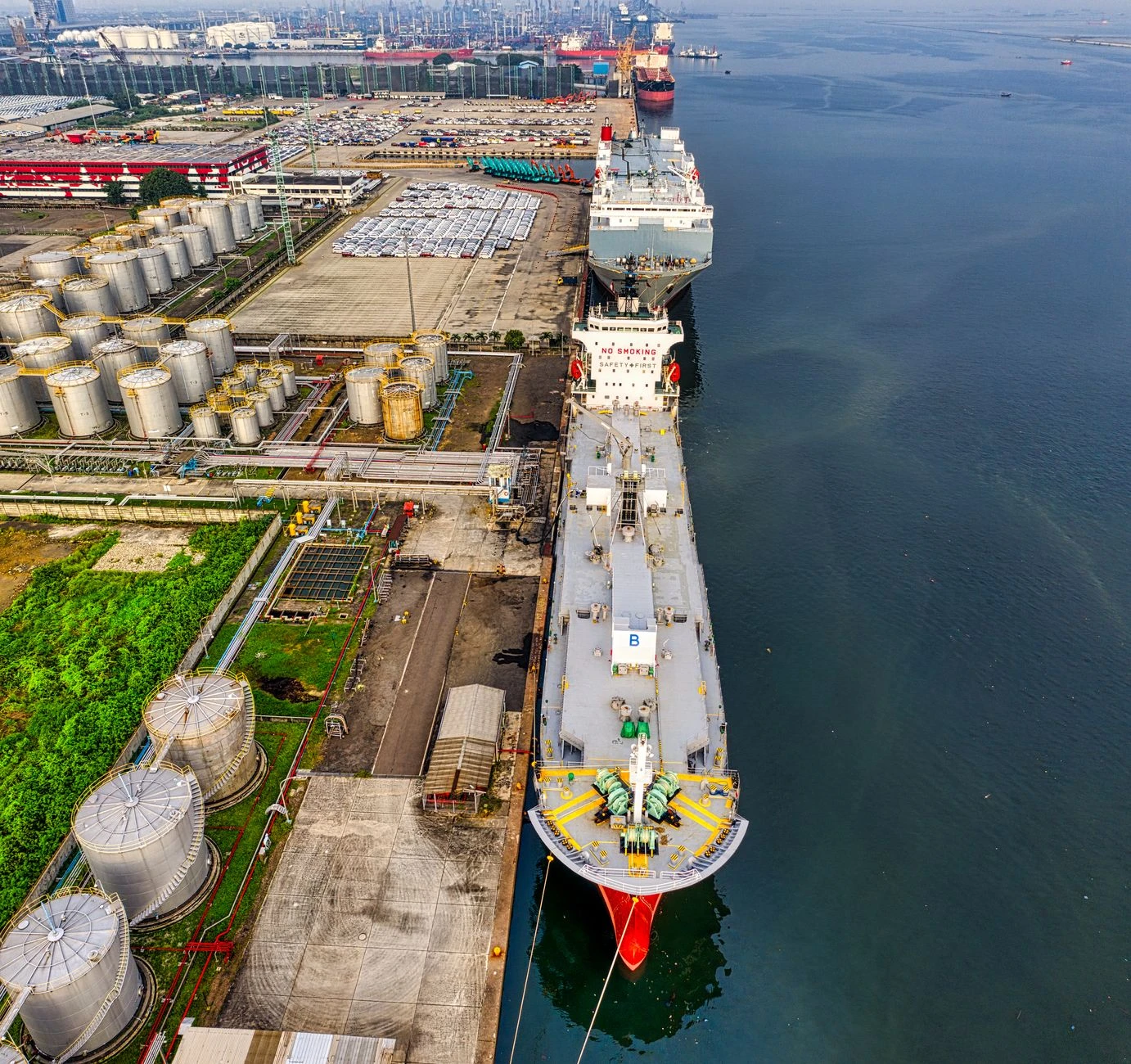
Even so, the negotiations remained unsettled. Iran had not made a final decision on a possible agreement, and its foreign ministry said on June 12 that “nothing has been finalized.” That uncertainty matters because a signed truce would still leave the world waiting for tanker flows, refinery schedules and shipping insurance to normalize. The EIA has said lower oil demand should limit the price spike from Hormuz disruptions, but it also means the path back to normal would be gradual, not immediate, even if the diplomacy holds.
Sources
- [1]cbsnews.com
- [2]eia.gov
- [3]iea.org
- [4]cnbc.com
- [5]morningstar.com
- [6]reuters.com