Health
Cold-plunge craze grows as experts warn evidence and risks remain thin
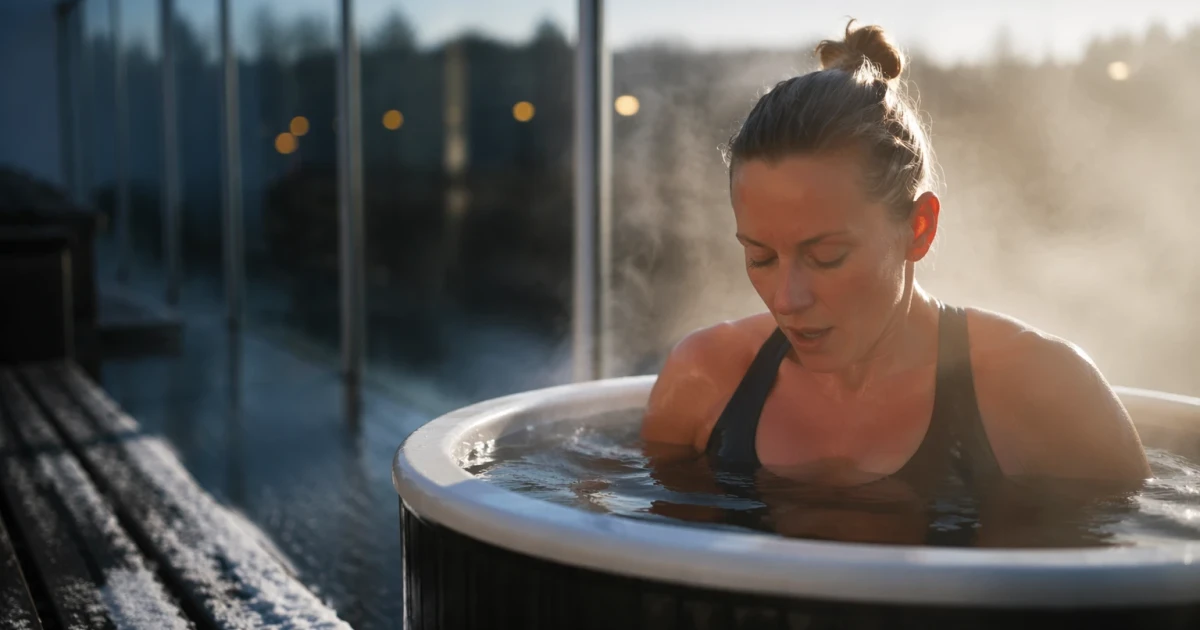
Sudden immersion in cold water can trigger a cold-shock response that causes a sudden increase in breathing, heart rate, and blood pressure. Cold plunges have moved from niche recovery ritual to mainstream wellness product, sold in gyms, wellness resorts, hotels, and home tubs as a fast path to better health. The pitch is familiar: less stress, better sleep, quicker recovery, and a tougher mind. The evidence is far less dramatic, while the safety warnings are immediate and specific.
A wellness trend built on old rituals
Cold-water immersion is not new. The modern version is wrapped in biohacking language, but it draws from older traditions of cold bathing and cold therapy that have circulated for centuries. What has changed is the scale of the market: athletes, wellness enthusiasts, and consumers who want a measurable edge now encounter cold plunges as a packaged product, not just a practice.
The same plunge that is sold as a recovery tool in a boutique setting is also being marketed as a path to resilience, mood improvement, and improved health.
What the best review found, and what it did not
A 2025 systematic review and meta-analysis in PLOS ONE examined randomized trials in healthy adults exposed to cold water at 15°C or below for at least 30 seconds. The review found possible benefits for stress, sleep, and quality of life, but the evidence base was limited and mixed.
Harvard Health has cautioned that the evidence for common promises such as less stress, better sleep, and enhanced immunity is thin.
The academic work behind the review also reflects how the field is being built. Researchers tied to the University of South Australia and the Alliance for Research in Exercise Nutrition and Activity have helped shape the recent evidence base.
The danger starts the moment the body hits the water
The American Heart Association and the Washington State Department of Health warn that the cold-shock response can be enough to cause drowning or cardiac stress, especially when a person is unprepared, alone, or already vulnerable.
The National Center for Cold Water Safety, established in 2012, warns that sudden immersion in water under 60°F can kill a person in less than a minute. The National Weather Service warns that cold-water hazards can appear in oceans, lakes, rivers, streams, or pools, and warm air temperatures can create a false sense of security.
Cold plunges are often marketed as controlled, indoor wellness experiences. A tub in a hotel suite or a tank in a fitness club may look tame, but the body’s response is the same if the water is cold enough. The danger is not just the temperature on a display screen; it is the body’s immediate reaction when the face and chest hit cold water.
Who needs to be most careful
Harvard Health advises people with cardiovascular disease, especially rhythm abnormalities, to avoid cold plunging. Heart and safety authorities point to sudden rises in heart rate and blood pressure as part of the risk profile. For anyone with heart disease, circulation problems, or a history of fainting, the practice is not a casual wellness experiment.
The concern is not limited to diagnosed illness. The cold-shock response can hit even healthy adults, and the risk rises when someone underestimates the exposure, stays in too long, or uses a cold plunge without supervision.
Why the trend keeps outrunning the evidence
Cold plunges fit the wellness market because they are visible, intense, and easy to photograph. They also offer a sense of control that many health fads sell well: do this one hard thing and unlock better mood, sharper recovery, and a stronger body. That narrative travels faster than cautious research, especially when it is backed by premium tubs, resort amenities, and the authority glow of “biohacking.”
The problem is not that cold-water immersion has no possible role. The public conversation often treats modest, early findings as if they were settled medical guidance. The current evidence suggests some people may experience improvements in stress, sleep, or quality of life, but the safety warnings are already strong, and the biggest claims still lack solid support.
Sources
- [1]nytimes.com
- [2]journals.plos.org
- [3]health.harvard.edu
- [4]heart.org
- [5]doh.wa.gov
- [6]weather.gov
- [7]pubmed.ncbi.nlm.nih.gov
- [8]coldwatersafety.org