Health
College Student Dies Suddenly from Meningococcal Disease
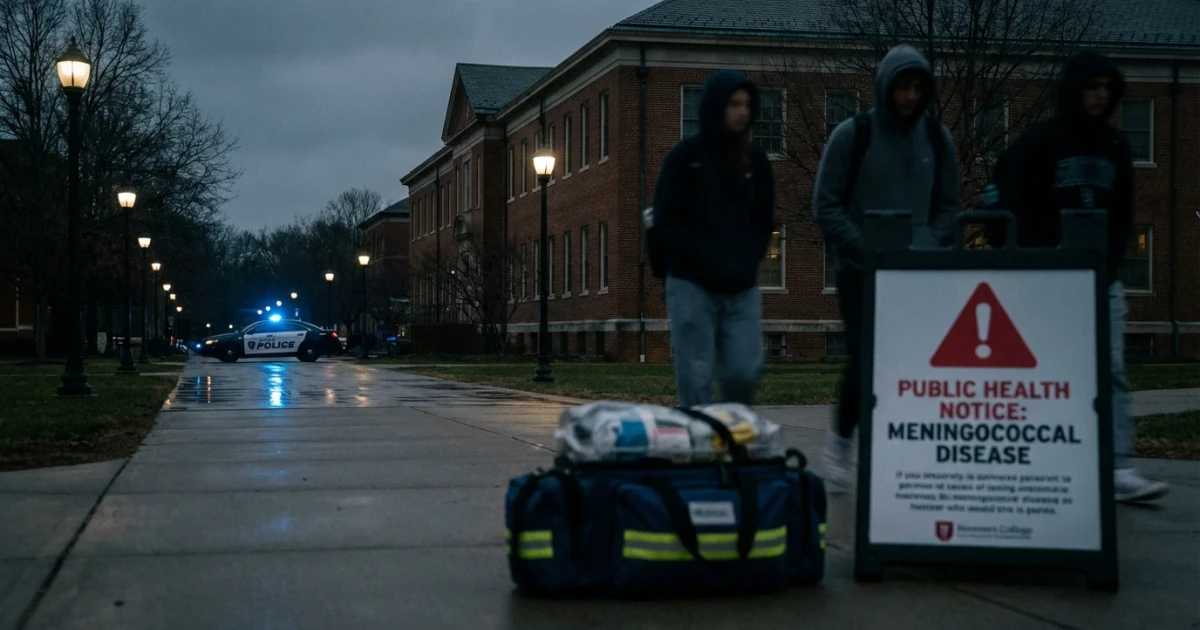
A college student has died only hours after first exhibiting symptoms of meningococcal disease, a rare but highly contagious infection often mistaken for the flu. The incident, first reported by AOL.com, highlights the swift and severe nature of meningococcal disease and the ongoing challenges of detection and prevention among young adults, especially those living in communal settings like college dormitories.
Rapid Progression and Symptoms
Meningococcal disease is caused by the bacterium Neisseria meningitidis. According to the CDC's background page, initial symptoms can mimic common viral infections such as influenza, including headache, fever, and fatigue. However, the disease can progress to life-threatening complications—such as meningitis (inflammation of the membranes surrounding the brain and spinal cord) or bloodstream infection—within hours.
- Early symptoms: Sudden high fever, headache, stiff neck
- Rapid progression: Rash, confusion, vomiting, severe muscle pain
- Critical timeframe: Death can occur in less than 24 hours from onset
Clinical guidance from the CDC underscores the importance of immediate medical attention if meningococcal disease is suspected. Because early symptoms are so nonspecific, diagnosis is often delayed, increasing the risk of fatal outcomes.
Incidence and Risk Factors Among College Students
While meningococcal disease is rare in the United States—with surveillance data showing fewer than 1,000 cases annually—it disproportionately affects adolescents and young adults, especially those in close quarters. College students living in dormitories face increased risk due to shared facilities and close contact. The CDC’s college vaccination coverage data indicate that while many institutions require meningococcal vaccination, coverage remains variable.
- Peak incidence: Ages 16-23, especially freshmen in dorms
- Transmission: Respiratory droplets, close contact
- Vaccination: Recommended before college entry, but not universal
Prevention and Response
The CDC recommends two types of meningococcal vaccines—MenACWY and MenB—for teens and young adults. These vaccines protect against the most common serogroups, but coverage gaps persist. Outbreaks have prompted universities to issue vaccine mandates and public health alerts, as noted in the CDC’s outbreaks archive.
According to peer-reviewed analysis from the NIH/NCBI, early intervention—including rapid administration of antibiotics and preventive measures for close contacts—is critical for limiting fatalities and transmission.
Public Health Implications
This tragic case underscores the importance of awareness, swift diagnosis, and preventive vaccination. Health officials urge students and parents to familiarize themselves with symptoms and ensure vaccination status before entering college housing.
For more data on meningococcal disease incidence, vaccination coverage, and outbreak history, visit the CDC's annual report.
As colleges continue to grapple with meningococcal risks, this case serves as a stark reminder of the disease's speed and severity, and the critical role of prevention and rapid response in protecting young adults.