Politics
Collins defends Kavanaugh vote as Maine Senate race heats up
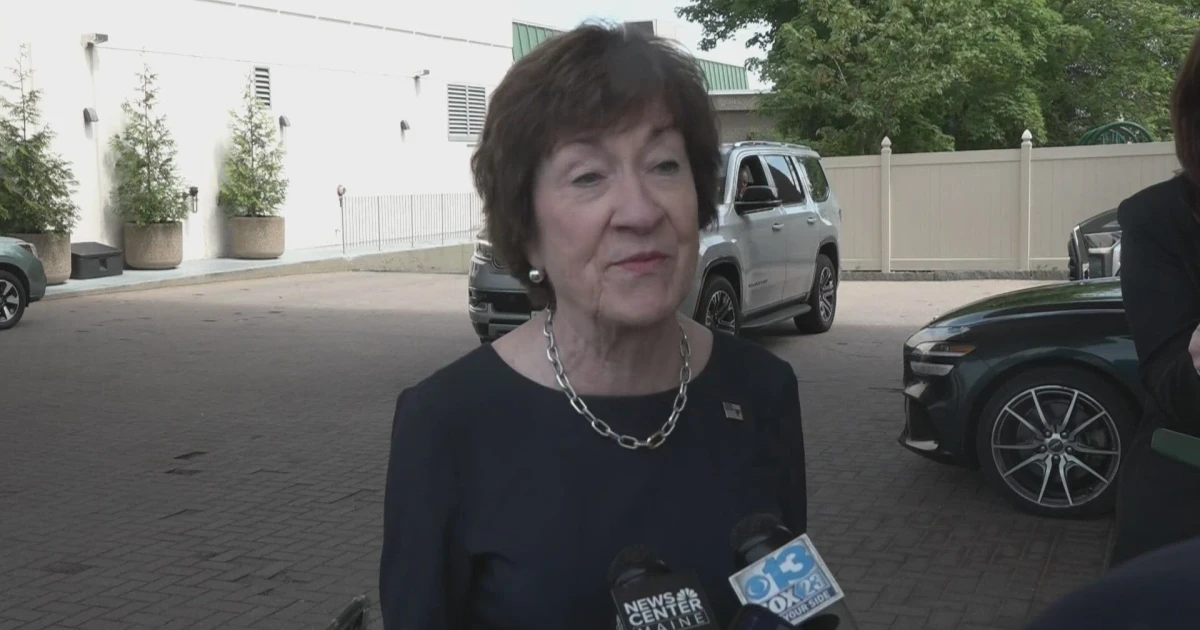
Susan Collins is trying to separate her vote to confirm Brett Kavanaugh from the Supreme Court’s decision to end federal abortion protections, but Maine Democrats are working to make that distinction politically expensive. In a state that could help decide control of the U.S. Senate, the fight has become a test of whether Collins’s moderate brand still holds after Dobbs.
In Portland on Friday, June 12, 2026, Collins said she does not regret voting to confirm Kavanaugh, even as she said she disagrees with his role in overturning Roe v. Wade. Collins said Kavanaugh told her in 2018 that Roe was “settled law,” a view she now says proved to be wrong. She also pointed to three justices she supports who dissented in Dobbs, Sonia Sotomayor, Elena Kagan and Ketanji Brown Jackson, as she argued that her own confirmation votes cannot be reduced to one outcome.
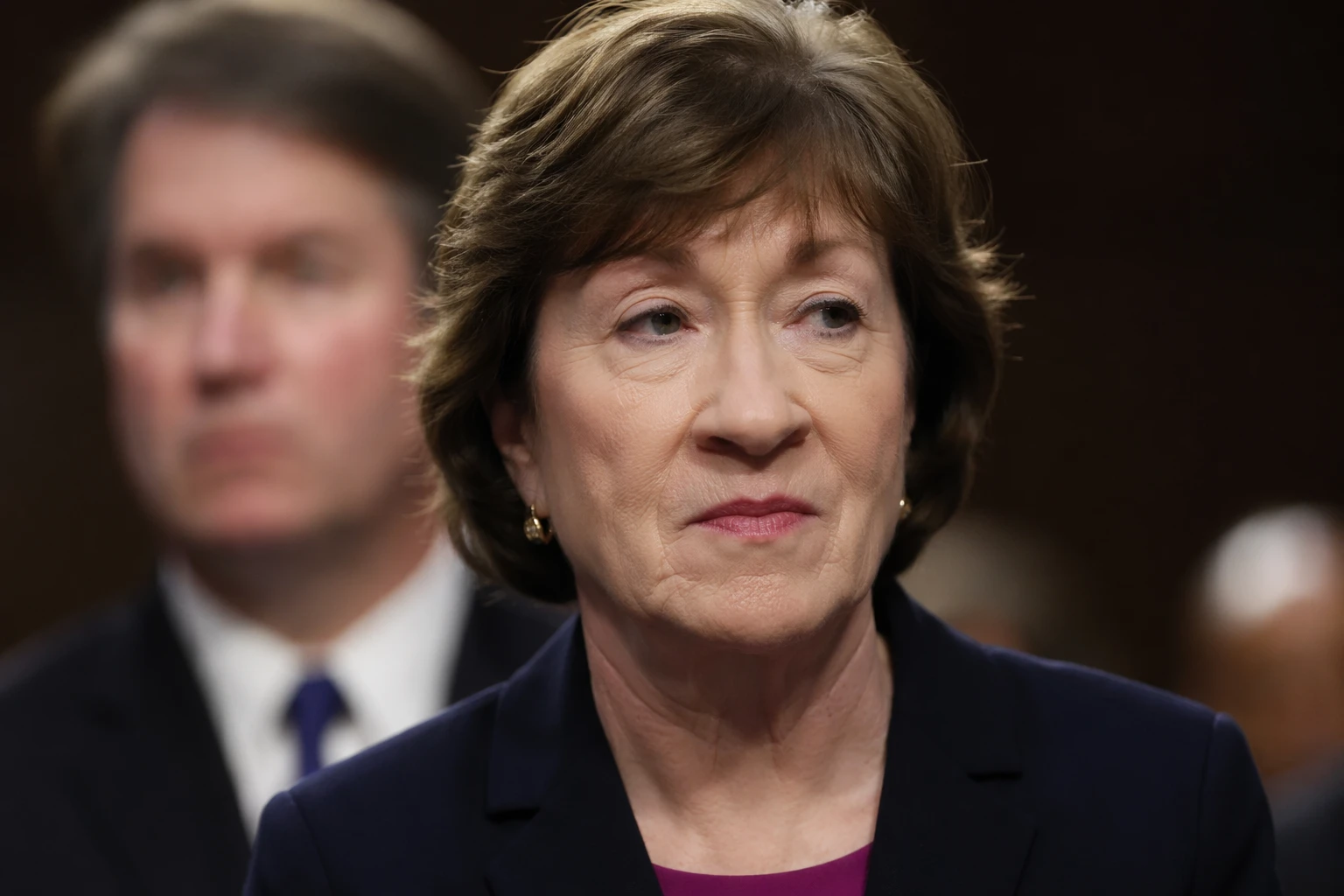
The political damage, however, is built into the timeline. Collins’s 2018 vote came after a 43-minute floor speech and helped produce the Senate’s 50-48 confirmation of Kavanaugh on October 6, 2018. Four years later, on June 24, 2022, Kavanaugh joined the 6-3 majority in Dobbs v. Jackson Women’s Health Organization, which ended the constitutional right to abortion nationwide. That makes this Collins’s first election cycle since the court erased Roe, and abortion has become one of the clearest ways Democrats are attacking her record.
Maine Democrats say Collins helped pave the way for the ruling and are using the issue as a central attack line in her race against Democrat Graham Platner. They have cast her as someone who made a promise to voters and then refused to accept the consequences when the court’s conservative majority followed through. The argument is especially potent in a health policy fight that has reshaped care across the country: KFF says 13 states have banned abortion and seven more now restrict the procedure to six or 12 weeks, creating sharply uneven access tied to geography, politics and income.
For Collins, the question is no longer just whether she made the right legal judgment in 2018. It is whether Maine voters still believe her claim to independence when the vote she defended helped install the justice whose decision became a symbol of the post-Dobbs backlash.
Sources
- [1]nytimes.com
- [2]pressherald.com
- [3]nbcnews.com
- [4]senate.gov
- [5]cornell.edu
- [6]congress.gov
- [7]collins.senate.gov
- [8]mainedems.org
- [9]kff.org