Sports
Colombia exits again, 2014 golden generation faces uncertain future
Colombia left another knockout stage empty-handed after a penalty shootout defeat to Switzerland, a result that pushed the team back to the same hard limit it has hit for more than a decade. The loss revived an old question in sharper form: whether Colombia’s best modern generation has been undone by bad breaks, or whether the program has simply stalled at the round where pressure changes everything.
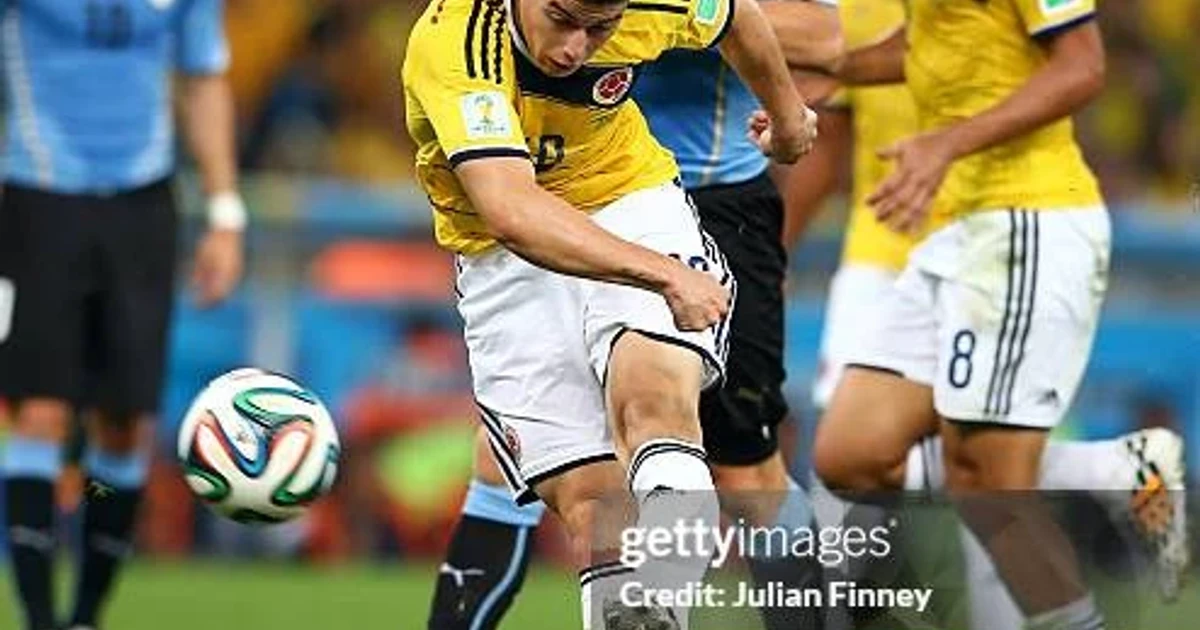
Brazil 2014 remains the clearest marker of what this cycle has achieved. Colombia reached the quarterfinals there for the first time, then fell 2-1 to host Brazil on July 4, 2014, a match FIFA still describes as the country’s best showing at a men’s World Cup. That run gave the team a standard it has not matched since, even as the expectation around every major tournament has stayed high.
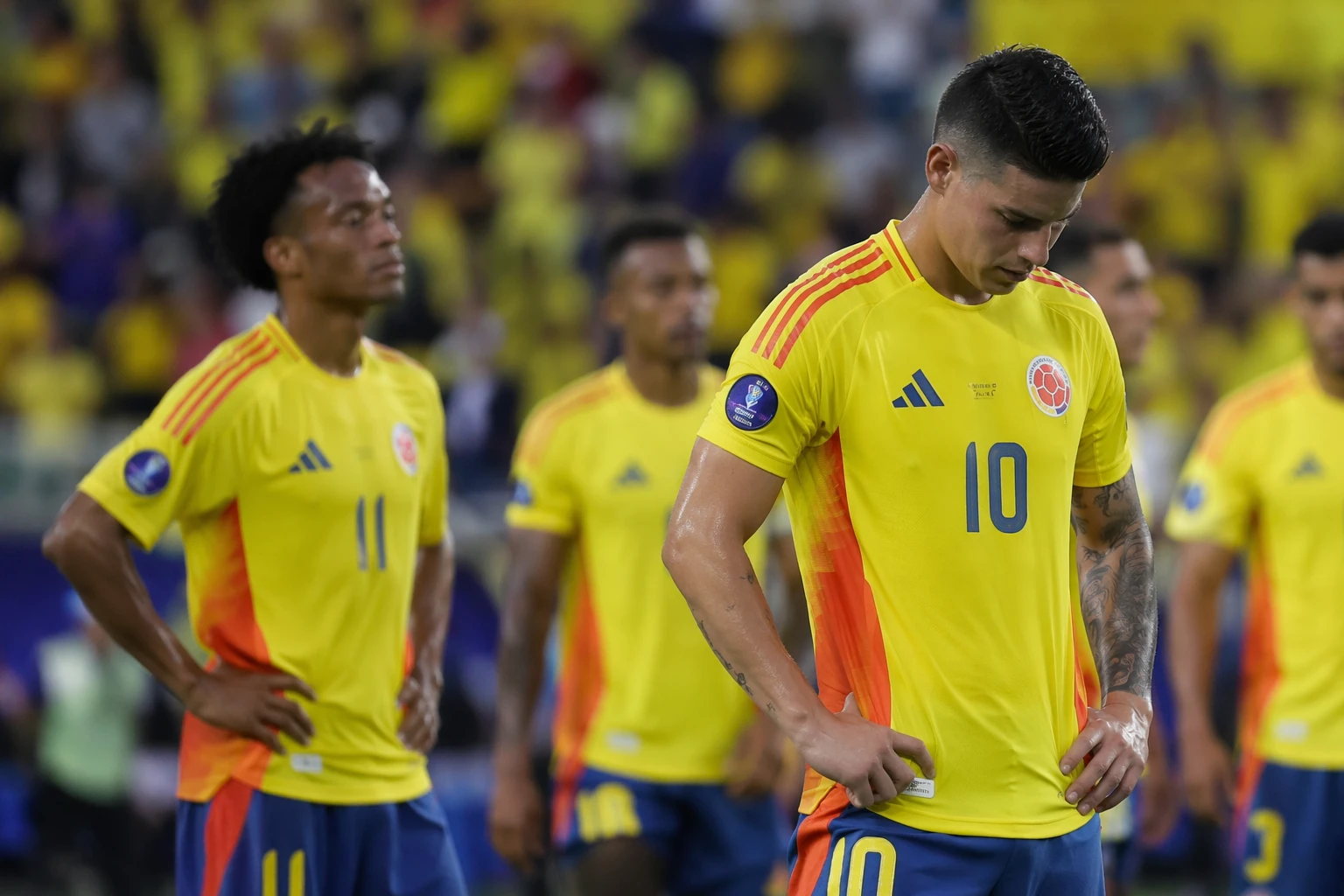
The numbers around Colombia’s World Cup history underline how narrow the gap has been. FIFA lists seven World Cup appearances, 22 matches played, eight wins, two draws and 12 defeats, with 30 goals scored and 33 conceded. The record is not poor, but it is also not the profile of a side that has consistently broken through in knockout rounds. One quarterfinal appearance, followed by repeated failures to move beyond the same stage, has turned 2014 into both a reference point and a burden.
José Pekerman sits at the center of that era because he coached Colombia at the 2014 and 2018 World Cups, the two tournaments that defined the modern project. James Rodríguez and Juan Guillermo Cuadrado remain the most recognizable faces of that team, symbols of a generation that promised more than one historic summer. Their names still carry the weight of Brazil 2014, but the passing years have also sharpened the sense that the country never built a second version of that side with the same authority.
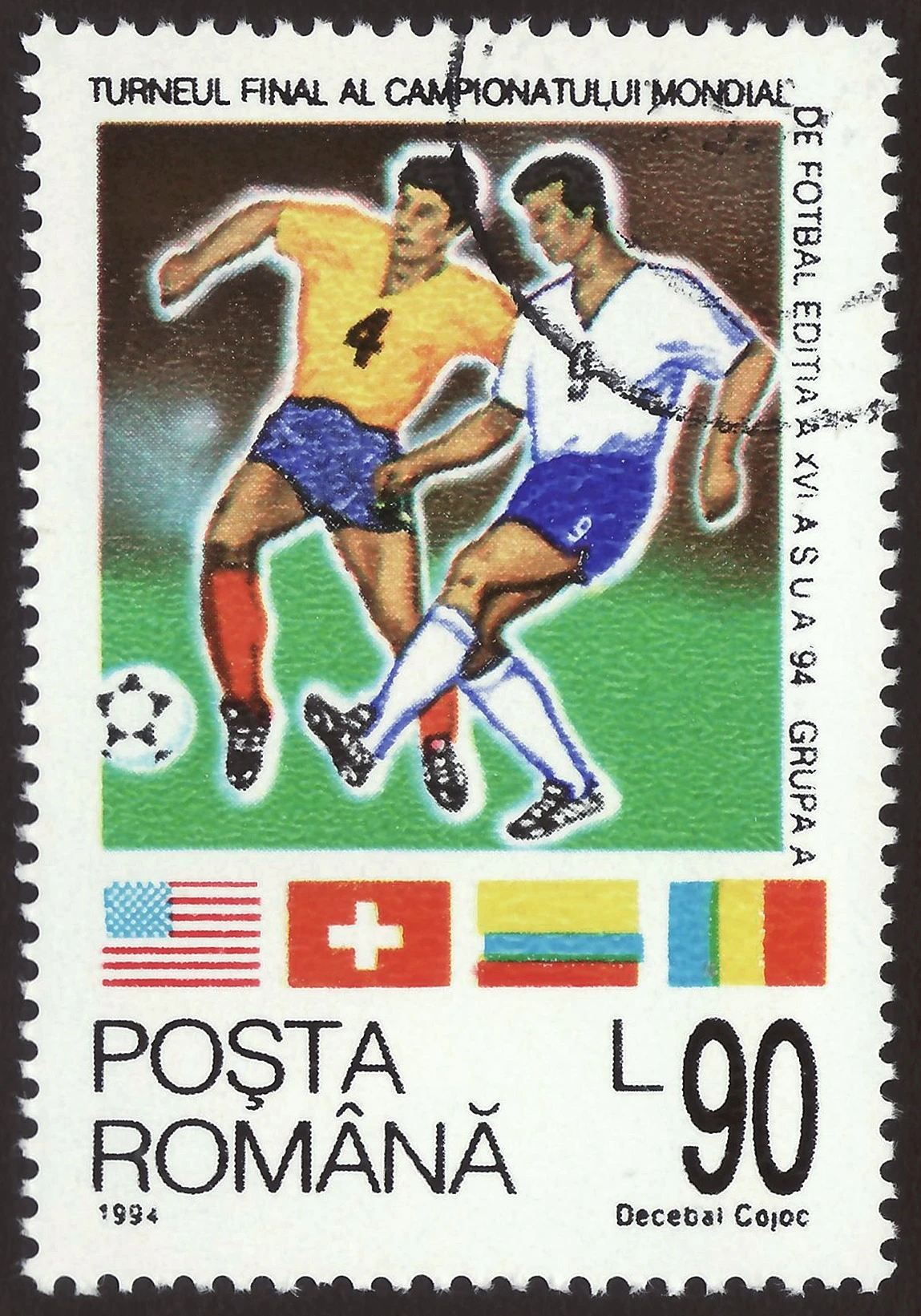
There is also a longer memory at work. Colombia and Switzerland had already met at the 1994 World Cup in the United States, when Colombia won 2-0 on June 26, 1994 in a match FIFA says carried no consequence because Colombia was already eliminated and Switzerland had already advanced to the round of 16. Three decades later, the same opponent again framed a Colombian exit, and the result left the same familiar question hanging over the program: whether the ceiling is temporary or structural.
Sources
- [1]telemundo.com
- [2]fifa.com
- [3]espn.com
- [4]eltiempo.com