World
Colombian coca farmers seek support to switch to legal crops
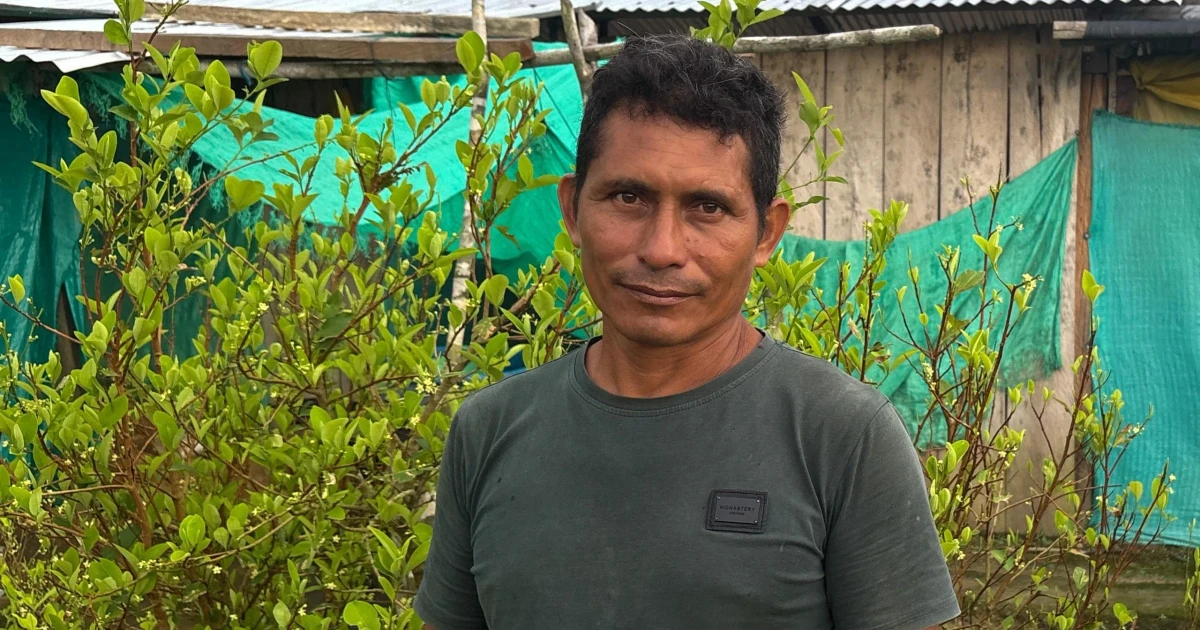
Colombia’s coca crop climbed to 253,000 hectares in 2023, a 10% increase from the year before, while potential cocaine production rose 53% to 2,664 metric tons. Rural families still find that legal crops cannot compete with the income, logistics or market access the state has failed to provide.
UNODC’s 2023 monitoring linked the rise to persistent territorial vulnerability, stronger global demand for cocaine and the long afterlife of the peace accord era. UNODC’s 2021 survey put coca cultivation at a historical high in Colombia, ending a three-year downward trend. Farmers were being asked to switch crops in regions where armed groups, weak state presence and unreliable infrastructure still shaped daily survival.
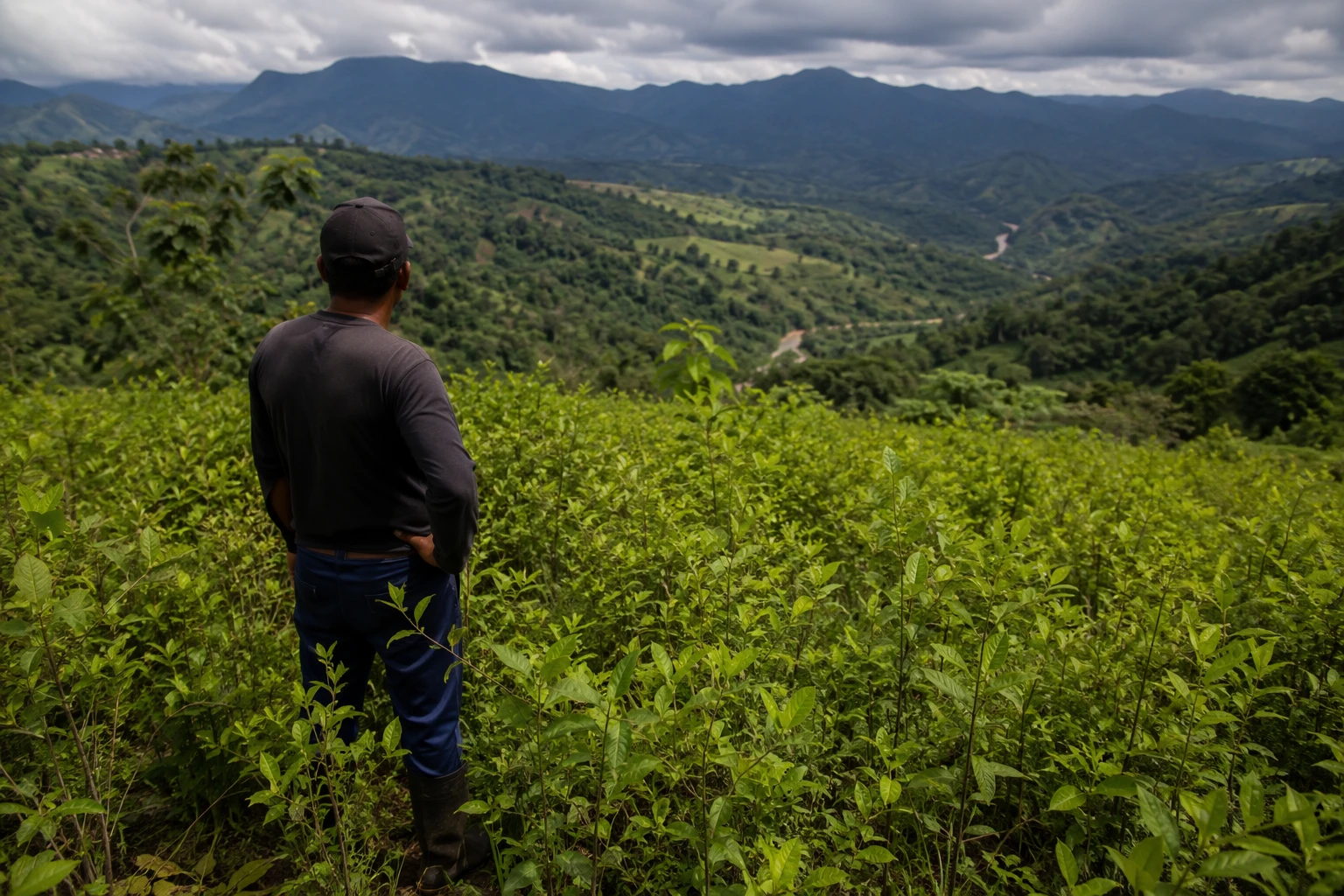
That tension runs through Colombia’s substitution strategy, built into the post-2016 peace accords and the promise of integrated rural reform in conflict-hit areas. A 2023 academic paper found a clear commitment among farmers to abandon coca crops, even though coca remains more economically advantageous. A 2021 study found that the announcement and rollout of substitution payments can change cultivation decisions.
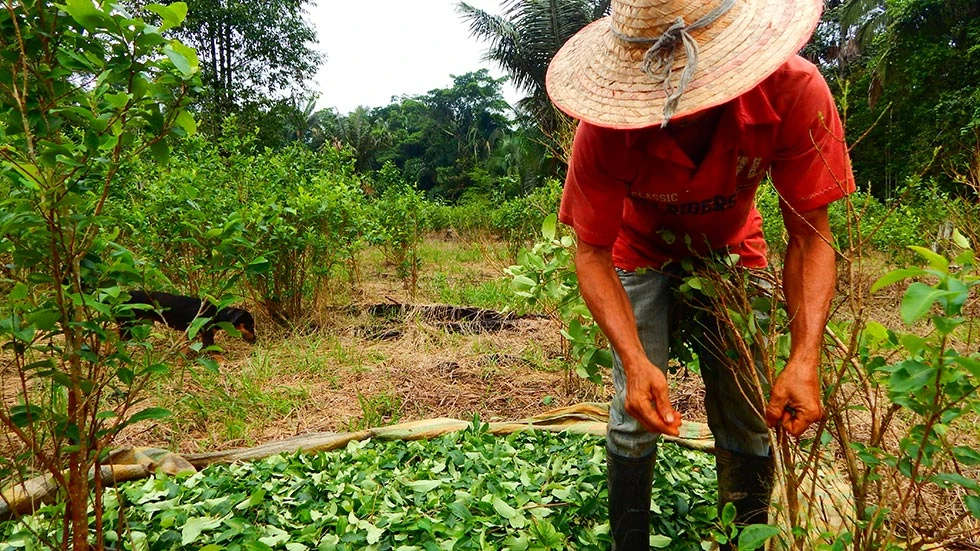
The program has failed repeatedly. InSight Crime links organized crime and state inertia to coca-substitution failures, while Amnesty International argues coca farmers want viable alternatives, not militarization. Farmers in coca-growing territories are often left with the same trap: legal crops need roads, credit, buyers and technical support, but coca moves easily through illegal supply chains and still pays better.
Sources
- [1]bbc.co.uk
- [2]unodc.org
- [3]news.mongabay.com
- [4]insightcrime.org
- [5]amnesty.org
- [6]oro.open.ac.uk
- [7]sciencedirect.com
- [8]nd.edu
- [9]tandfonline.com