World
Colombia’s peace accord erodes as drone warfare and displacement soar
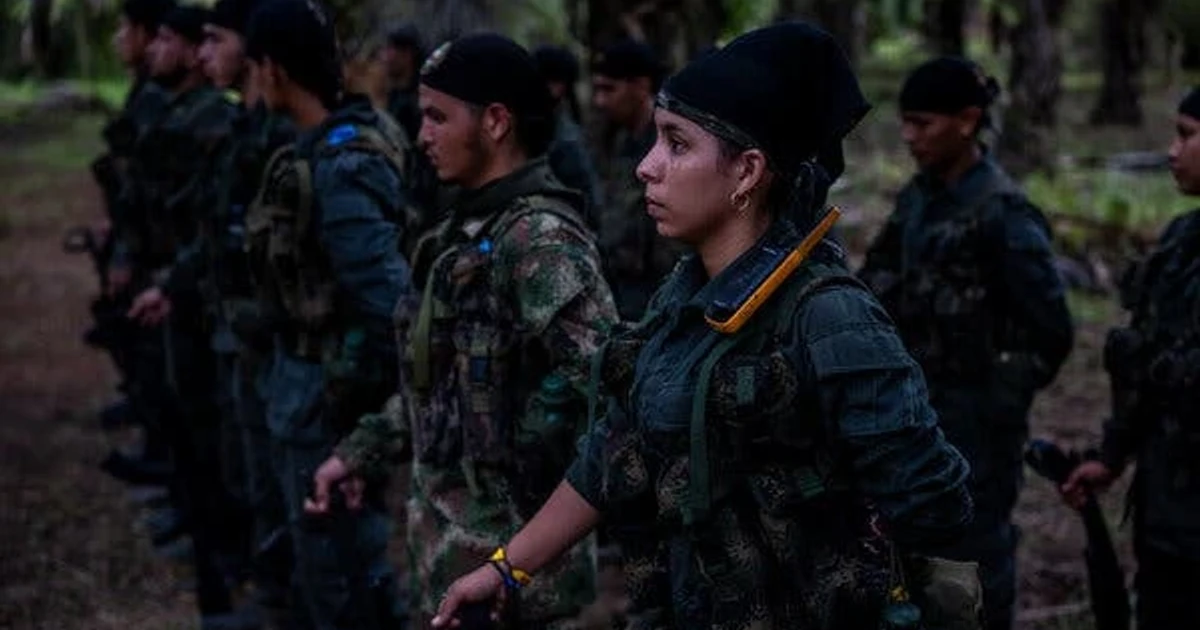
The 2016 peace accord was meant to close Colombia’s longest war. Instead, armed groups have adapted, the violence has spread into new regions, and civilians are still paying the price in fear, confinement and flight.
A peace accord that reduced open war, but not violence
The agreement between the Colombian government and the FARC ended a five-decade conflict and sharply reduced the scale of open combat. Yet nearly a decade later, Human Rights Watch says violence has reemerged in new forms, with a growing presence of armed groups in rural, Indigenous, Afro-descendant, Pacific, north-western, Caribbean and Amazon regions.
That shift matters because Colombia’s war no longer looks like the insurgency that dominated headlines before the accord. It is now more fragmented, with criminal and insurgent groups contesting territory, routes, local power and, increasingly, the daily routines of civilian life. The broken promise of peace is clearest outside the main cities, where the state often remains weaker than the armed actors filling the vacuum.
From jungle combat to drone warfare
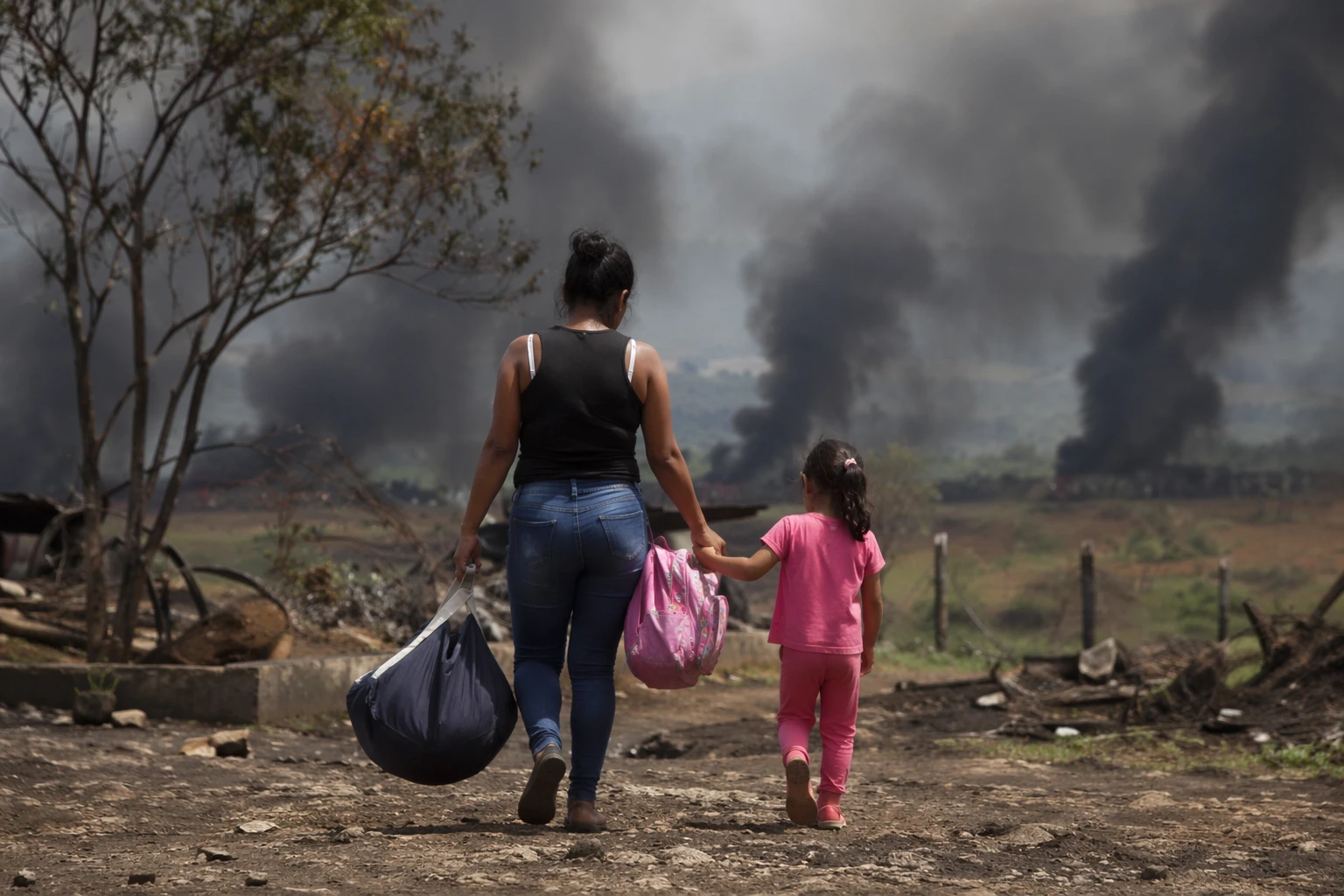
The most striking change is technological. Armed groups in Colombia’s conflict zones have increasingly used cheap commercial drones to drop explosives, a tactic that brings new reach and precision to groups that once depended mainly on ground mobility and hidden jungle paths. The battlefield has expanded upward, into airspace, while the targets remain on the ground: rival fighters, security forces and the communities caught between them.
The military has responded by building its own drone capabilities, including a first drone battalion equipped with artificial intelligence technology. That escalation shows how quickly the conflict is mutating. It is no longer only a fight over hills, roads and river corridors; it is also a contest over surveillance, strike capability and technological advantage. In practical terms, the side that can adapt fastest gains the upper hand in territories where the state presence is already thin.
This is part of why the war feels never-ending to many Colombians. The labels have changed, and the tools have changed, but the logic remains familiar: armed groups use force to control space, extract value and intimidate communities into silence.
Displacement has become the clearest measure of failure
The humanitarian toll remains severe. UNHCR said Colombia had more than 7 million internally displaced people by the end of 2025, the highest number in the Americas. That figure places the country among the world’s major displacement crises and underlines how far peace remains from daily reality in conflict-affected regions.
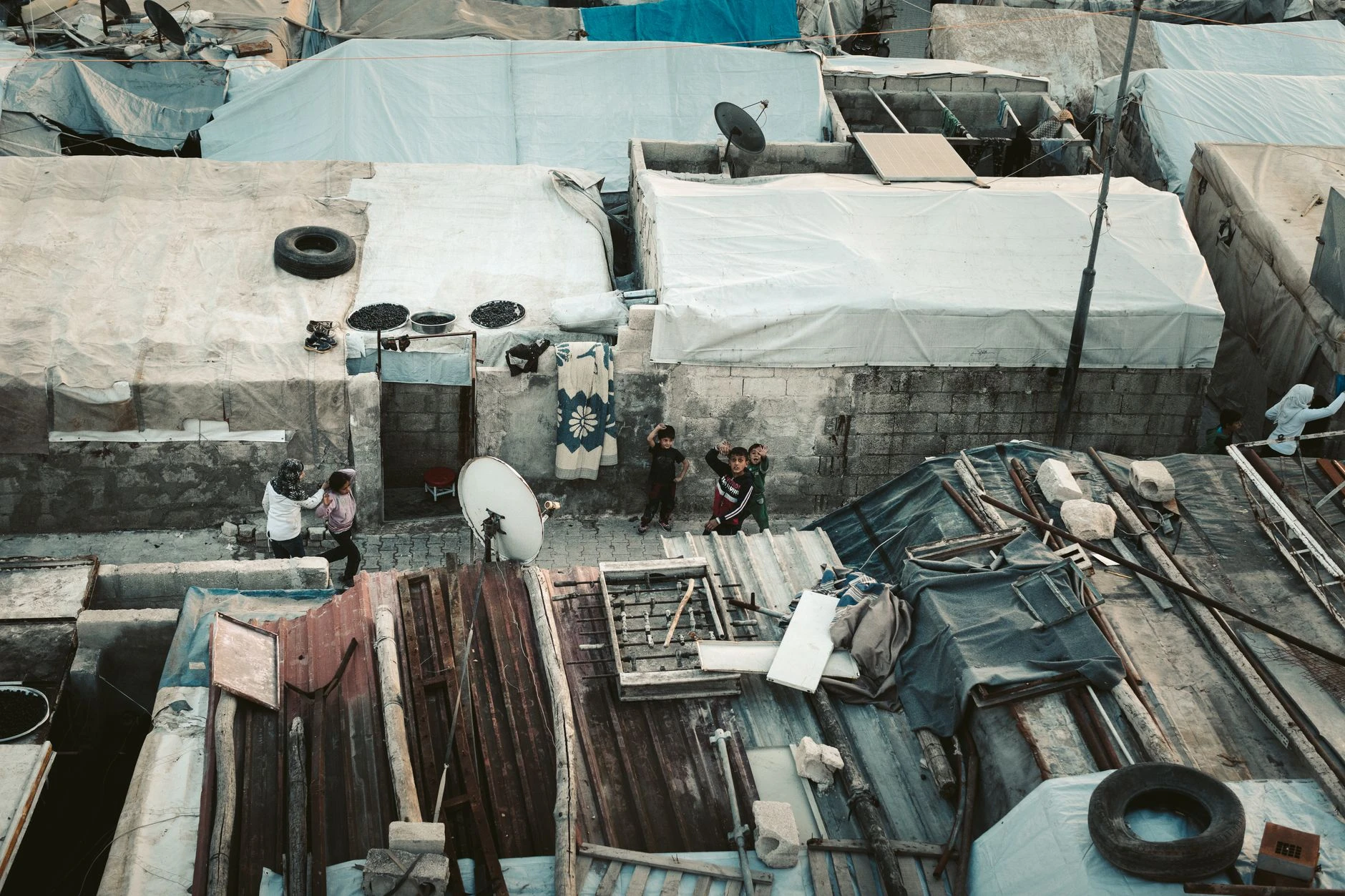
The pace of new displacement also worsened in 2025. The European Commission said 70,284 people were newly displaced during the year, twice as many as the year before. OCHA added that the number of people affected by armed conflict and violence in the first quarter of 2025 quadrupled compared with the same period in 2024. Those numbers point to a conflict that is intensifying even without a return to the old front lines.
Displacement is only part of the picture. UNHCR reported that an additional 192,000 people remained confined throughout 2025 because they could not move safely due to non-state armed groups. Confinement is a quieter form of coercion than mass flight, but it is equally destructive. Families cannot reach markets, children cannot get to school, and medical care becomes uncertain when movement itself is controlled by armed men.
The geography is widening too. Violence has expanded into previously less affected areas, including parts of the Caribbean and Amazon regions, alongside long-troubled zones such as Cauca, Catatumbo, Putumayo and Norte de Santander. What was once seen as a set of local crises is now a broader pattern of territorial fragmentation.
Civilians remain trapped by coercion, not just combat
The strongest evidence that Colombia’s war has mutated is in the way armed groups govern through fear. Extortion, kidnapping, restrictions on movement and the recruitment of children continue to shape life in affected areas. These are not random abuses. They are tools of control, designed to force communities to comply, finance armed actors and keep local populations from resisting.
Human rights defenders are especially exposed. The UN Human Rights Office says defenders in Colombia have been killed at an average of just under 100 per year over the past decade. That toll shows how dangerous it is to document abuses, organize communities or challenge the authority of armed groups in zones where the state struggles to protect its own citizens.
President Gustavo Petro has pitched a “total peace” strategy to tame the violence, but the record so far shows how limited any settlement looks when armed groups can regenerate faster than institutions can arrive. The result is a conflict that has not ended so much as changed shape. It is now a mix of old insurgent tactics and new criminal business models, with drones overhead, displacement on the ground and civilians left to absorb the cost of a peace that never fully took hold.
Colombia’s challenge is no longer only to preserve the peace accord on paper. It is to make state authority real in the places where armed groups have replaced it, and to do so before another year of displacement, confinement and drone warfare turns the promise of 2016 into little more than a historical footnote.
Sources
- [1]nytimes.com
- [2]hrw.org
- [3]unhcr.org
- [4]unocha.org
- [5]civil-protection-humanitarian-aid.ec.europa.eu
- [6]ohchr.org
- [7]rfi.fr
- [8]heise.de
- [9]ap.org