World
Colombia’s war-scarred mountains become a birding paradise
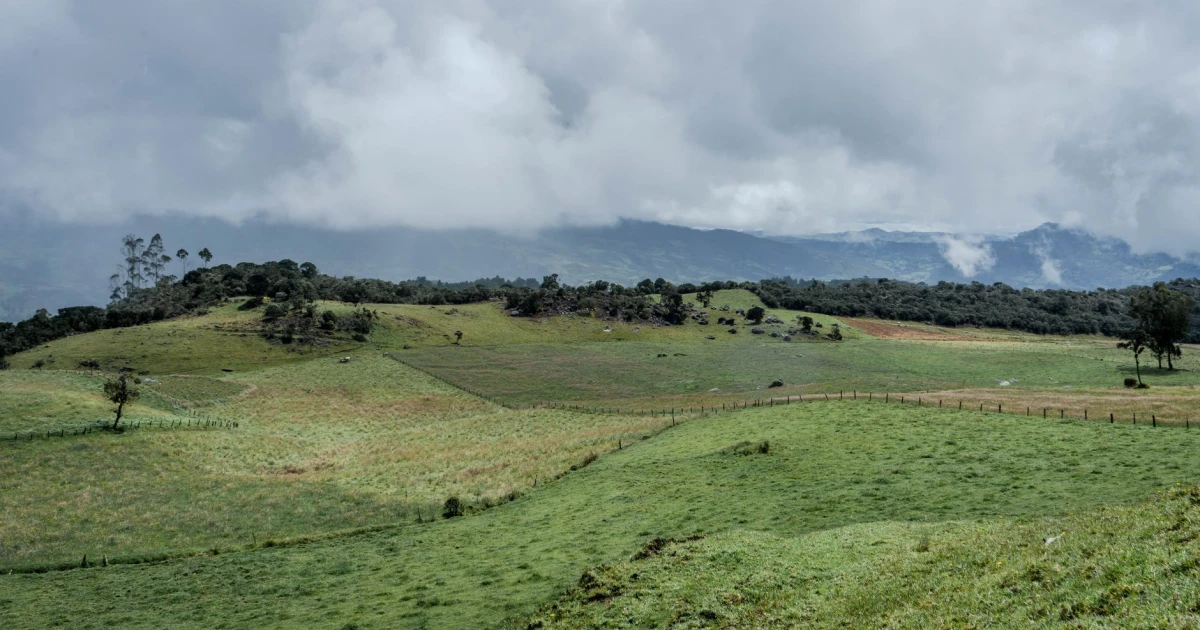
Anderson Cooper’s birding conversion begins in the misty mountains of western Colombia, where damp weather wakes the forest and the gold-ringed tanager becomes the kind of sight people cross borders to chase. 60 Minutes aired the segment on May 3, 2026, and placed guide Diego Calderón Franco at the center of an eco-lodge experience that turns rare birds and wild terrain into the trip itself.
Colombia’s birding boom is tied to a landscape that conflict helped isolate. Decades of fighting between the government, left-wing guerrillas, right-wing paramilitaries and narco-traffickers left some bird habitats comparatively intact even as it scarred communities and blocked development. The 60 Minutes transcript is titled “Birding paradise flourishes in Colombian region that was once a war zone.” The same remoteness that once kept people away now draws them in.
Why the western mountains work for birding
Western Colombia offers the exact mix that makes birding travel powerful: altitude, forest, moisture and a dense concentration of species. Drizzly, overcast conditions are not a setback but part of the appeal, because they bring the forests to life and make the experience feel immediate rather than staged. The gold-ringed tanager, with its vivid colors and rarity, serves as a ready-made example of how one bird can anchor an entire itinerary.
The eco-lodge setting is just as important as the birds. Instead of treating wildlife as a side activity, Colombia’s birding trips are built around local expertise, forest access and long viewing windows, which is why a 12-day birding journey can become a full travel product rather than a day excursion.
Birding is no longer a niche hobby
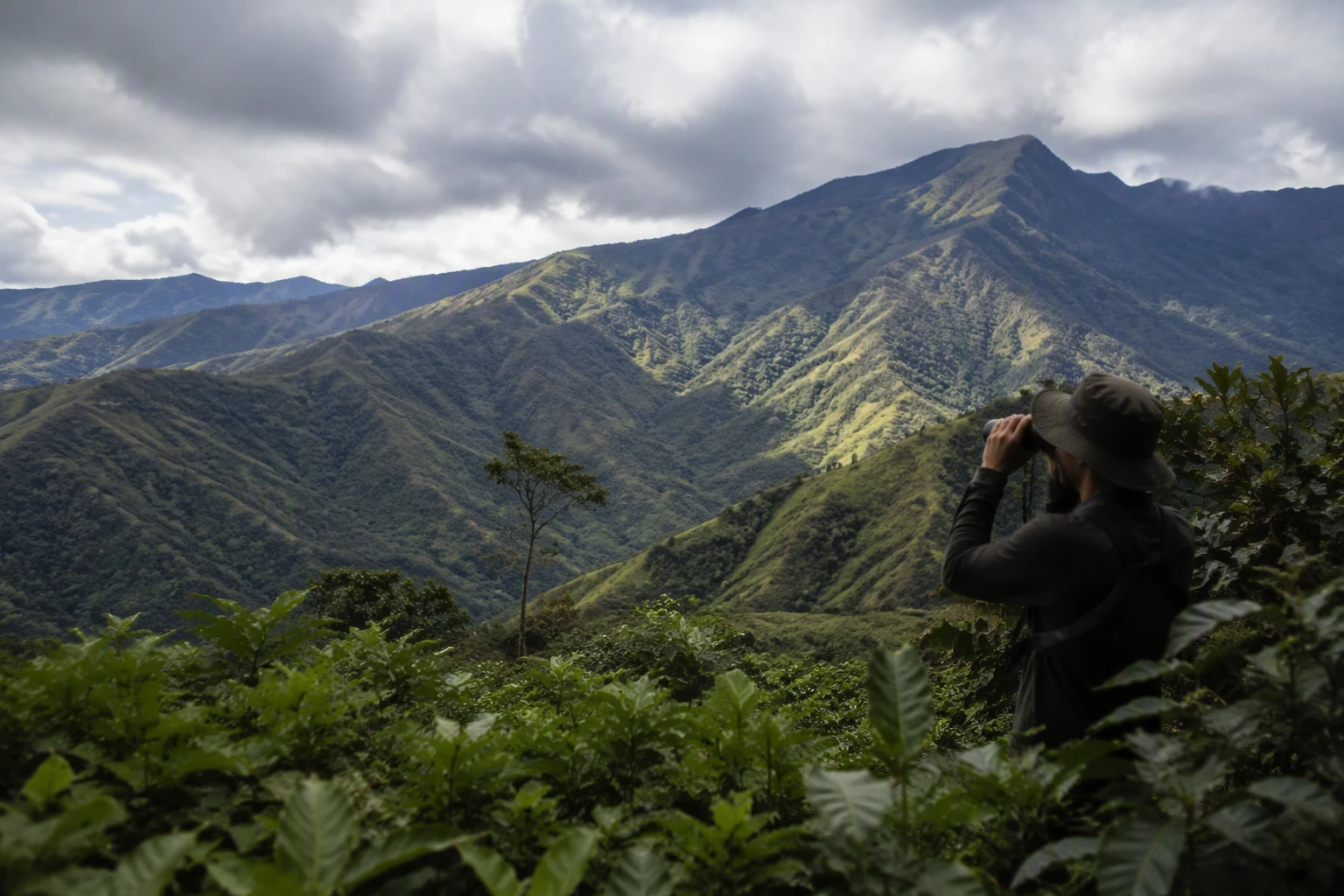
The Colombia story lands in the middle of a much larger boom. The U.S. Fish and Wildlife Service’s 2022 birding survey found 96 million Americans age 16 or older who watched, fed, photographed or otherwise engaged with birds, and those bird-related activities generated an estimated $107.6 billion in spending. Audubon says more than 1 in 3 U.S. adults enjoy birding.
Birding now drives demand for guides, lodges, optics, transportation and destination-specific itineraries, which is why places with strong habitat and reliable species lists can market themselves as specialized travel hubs. Colombia’s western mountains fit that model especially well because the experience is organized around a defined ecosystem, a recognizable expert like Diego Calderón Franco and signature species such as the gold-ringed tanager.
The wellness appeal is real, and measurable
Birding’s growth is not just about wildlife checklists. It also sits comfortably inside the wellness travel economy, which the Global Wellness Institute valued at $651 billion annually in 2024. That broader category has created room for trips built around quiet, attention, movement and time outdoors, all of which are central to birding in Colombia’s misty forests.
A 2025 review in the journal Ecosystem Health and Sustainability found preliminary clinical evidence of reduced anxiety and stress, along with improved wellbeing, from birding.
Citizen science gives the hobby a second life
Birding also feeds science in a way that most leisure travel does not. eBird transforms bird sightings into science and conservation, and the Cornell Lab of Ornithology says the platform has passed 2 billion bird observations. That scale turns ordinary checklists into a live map of migration, abundance and habitat use, and it gives birders a direct role in conservation work without requiring lab access or field credentials.
The activity is accessible, yet it produces data with real utility. A visitor in Colombia can enjoy the chase for a gold-ringed tanager and still contribute to a global record of where birds are seen, when they move and how habitats are changing.
How to approach a birding trip in Colombia
A successful birding trip in Colombia is built less like a sightseeing loop and more like a field experience. The formula that works best is long days, a knowledgeable guide, a base at an eco-lodge and the patience to let weather become part of the scenery rather than an inconvenience.
• Choose a local expert, because the region’s birds and terrain reward knowledge of microhabitats and timing. • Build around a multi-day stay, since the 12-day trip format gives enough time to see how weather and elevation change bird activity. • Expect mist and overcast skies, especially in the mountains of western Colombia, where the forest itself is part of the show. • Log sightings through eBird or a similar platform, so the trip contributes to conservation data as well as personal memory. • Focus on emblematic species such as the gold-ringed tanager, which help turn a route into a destination.
Sources
- [1]cbsnews.com
- [2]youtube.com