Health
Colon Cancer Now Top Cancer Killer for Americans Under 50
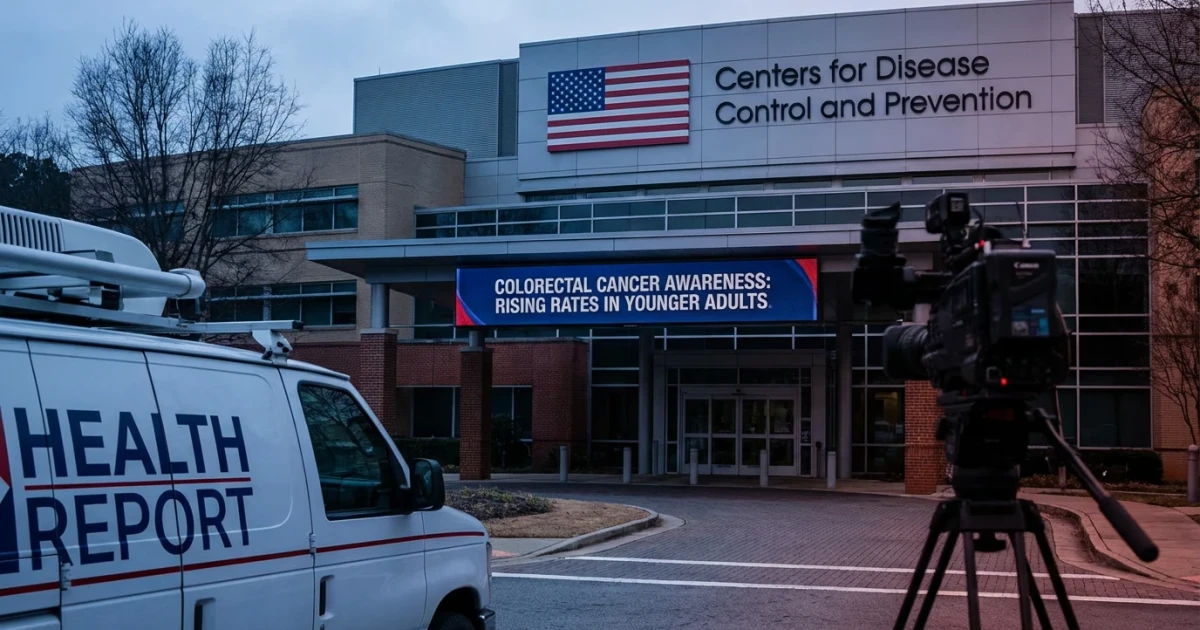
Colorectal cancer has overtaken other malignancies as the leading cause of cancer death among Americans under the age of 50, according to recent reporting and analysis. This trend has caught the attention of medical professionals and public health officials, who are urging earlier and more widespread screening and awareness of symptoms.
Colorectal Cancer Surpasses Other Cancers in Young Adults
Multiple data sources, including the SEER Cancer Stat Facts and the CDC United States Cancer Statistics, confirm a concerning rise in colorectal cancer incidence and mortality in people under 50. This age group now faces higher death rates from colorectal cancer than from any other cancer type.
- Colorectal cancer is the third most common cancer diagnosed in the United States overall, but has become the top cause of cancer deaths among adults younger than 50.
- The CDC reports that more than 150,000 new cases of colorectal cancer are diagnosed annually, with a growing share in younger adults.
- Analysis from the American Cancer Society highlights a nearly 2% annual increase in colorectal cancer incidence in adults under 50 over the past decade.
Understanding the Causes and Risk Factors
While the reasons for this sharp increase in younger adults remain under study, researchers have identified several potential contributing factors, including:
- Diet high in processed meats and low in fiber
- Physical inactivity
- Obesity
- Increased prevalence of type 2 diabetes
- Family history of colorectal cancer
Recent peer-reviewed research points to complex interactions between genetic, environmental, and lifestyle factors, but no single cause has been identified. Experts recommend that individuals, regardless of age, pay attention to colorectal cancer symptoms and talk to their doctors about personal risk.
Symptoms to Watch and When to Seek Medical Attention
Early colorectal cancer often has no symptoms, which is why screening is crucial. However, the following signs warrant prompt medical evaluation:
- Blood in stool or rectal bleeding
- Unexplained weight loss
- Persistent abdominal pain or cramping
- Changes in bowel habits, such as diarrhea or constipation
- Unexplained fatigue or weakness
Gastroenterologists emphasize that these symptoms should not be ignored, especially in younger adults who may mistakenly attribute them to less serious conditions.
Screening Guidelines and Prevention Strategies
In response to rising cases, the U.S. Preventive Services Task Force (USPSTF) now recommends that average-risk adults begin regular colorectal cancer screening at age 45 (down from age 50), with some guidelines suggesting even earlier screening for those with family history or other risk factors.
- Screening options include colonoscopy, stool-based tests, and sigmoidoscopy. The CDC provides an overview of each method.
- Those with a first-degree relative diagnosed with colorectal cancer should consider starting screening earlier and may require more frequent testing.
- Lifestyle changes—such as increasing physical activity, eating a diet high in fruits, vegetables, and whole grains, limiting red and processed meats, and avoiding tobacco and excess alcohol—can help reduce risk.
Outlook and Expert Recommendations
With colorectal cancer now the leading cause of cancer deaths for Americans under 50, experts are urging individuals to be proactive in both prevention and early detection. Following updated screening guidelines, knowing family history, and addressing symptoms promptly can save lives. For further information and resources, readers can explore the SEER Cancer Stat Facts and the American Cancer Society’s detailed reports.
As research continues into the causes for this rising trend, awareness and timely action remain the best tools for reducing the impact of colorectal cancer among younger adults.