Technology
Colorado Lawmakers Seek Overhaul of State AI Regulations
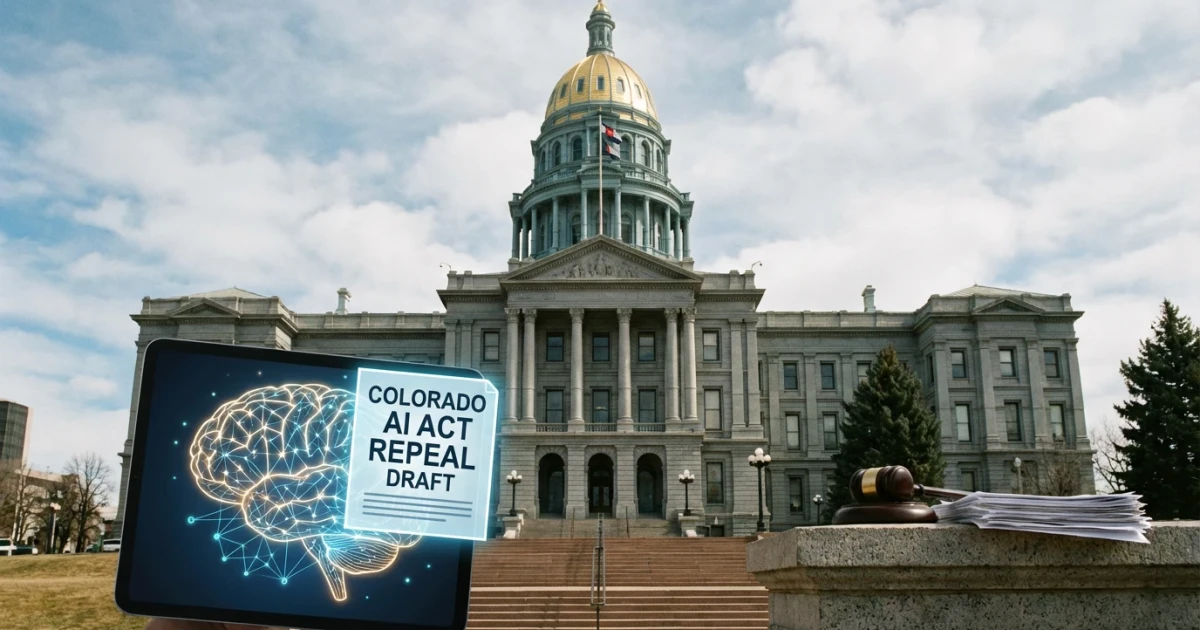
Colorado lawmakers and regulatory officials are advancing efforts to repeal and replace the existing Colorado AI Act, reflecting growing concerns over how artificial intelligence is governed at the state level. The move comes amid a national debate over how best to manage the risks and opportunities of AI as the technology rapidly evolves.
Why Colorado Is Reconsidering Its Approach to AI
The current Colorado AI Act, officially known as House Bill 24-1225, was one of the first comprehensive state-level attempts to regulate artificial intelligence. It set forth requirements for companies to disclose certain uses of AI, mandated risk assessments, and placed restrictions on algorithmic decision-making in sensitive sectors.
However, according to Inside Global Tech, state officials now believe the law is outdated and potentially misaligned with both federal guidance and international best practices. As technologies evolve, the need for updated, more flexible regulatory frameworks has become apparent. Lawmakers argue that the current act may stifle innovation and fail to adequately address new forms of AI deployment.
Calls for Repeal and Replacement
Efforts to repeal and replace the Colorado AI Act are being led by a coalition of state legislators and regulatory agencies. Their stated goal is to align Colorado’s approach with emerging national standards, such as the NIST AI Risk Management Framework, and to anticipate future requirements that could stem from federal agencies like the Federal Trade Commission’s AI regulatory actions.
- The repeal effort is driven by concerns that the current law places excessive compliance burdens on startups and mid-sized tech firms operating in Colorado.
- Officials also cite the need to harmonize with the EU’s AI Act, as noted in comparative analyses such as the EU Artificial Intelligence Act: Comparative Analysis.
- There is a push to incorporate language and concepts from technical standards bodies, including proposed guidelines from the W3C Draft on AI Ethics and Governance.
What Could Change in a New AI Law?
While the text of a replacement bill has not yet been made public, officials have indicated that a new law would likely:
- Emphasize risk-based approaches to AI oversight, in line with the NIST RMF.
- Focus on transparency and accountability for high-risk AI applications, rather than broad restrictions across all sectors.
- Streamline compliance requirements for smaller businesses and research organizations.
- Address gaps around emerging technologies such as generative AI and autonomous systems, areas that have seen rapid advancement since the original law’s passage.
National and Global Implications
Colorado’s review of its AI regulatory strategy is being closely watched by lawmakers in other states, as well as by federal agencies and international partners. The state’s experience may serve as a model—or a cautionary tale—for how to balance innovation with consumer protection and ethical oversight.
If Colorado successfully implements a more agile and risk-focused framework, it could influence ongoing efforts at the federal level and contribute to the evolving landscape of methods for regulating artificial intelligence in the U.S. and abroad.
What Happens Next?
Lawmakers are expected to introduce new legislative language in the coming months. Public consultations, input from industry groups, and feedback from technical experts will likely shape the contours of the next iteration of Colorado’s AI regulations.
As the debate continues, Colorado’s actions underscore the urgency for governments at all levels to craft AI policies that are both effective and adaptable—ensuring responsible development without hindering technological progress.