Health
Colorado Reports First Hantavirus Death of the Year
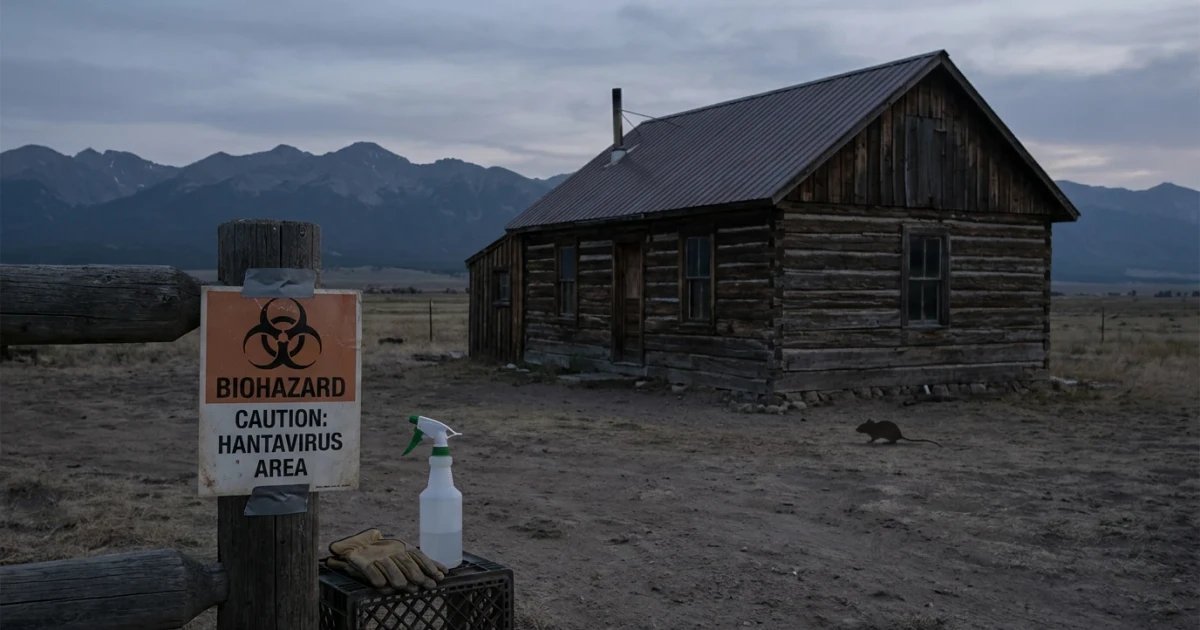
Colorado health officials have confirmed the state's first hantavirus-related death this year after an adult resident succumbed to the rare but serious respiratory disease. The announcement has prompted renewed warnings from public health leaders about prevention and safety measures as the region enters peak hantavirus season.
Hantavirus Claims Life in Colorado
According to Reuters, Colorado state health authorities reported the death of an adult from hantavirus pulmonary syndrome (HPS), a severe and sometimes fatal respiratory illness. While specific details about the patient were not disclosed, officials emphasized that cases of hantavirus in Colorado are rare but can be deadly.
What Is Hantavirus and How Is It Spread?
Hantavirus is primarily transmitted to humans through contact with infected rodent droppings, urine, or saliva, most commonly from deer mice. The Centers for Disease Control and Prevention (CDC) explains that the virus can be contracted by breathing in contaminated dust after disturbing nests or rodent-infested areas. Person-to-person transmission does not occur in the United States.
Symptoms of HPS often begin one to five weeks after exposure and can include:
- Fever and chills
- Muscle aches
- Headaches
- Nausea and vomiting
- Shortness of breath (in later stages)
The condition can rapidly progress to severe respiratory distress and requires immediate medical attention. The CDC notes that the fatality rate of HPS is approximately 36% in the United States.
Colorado’s Track Record With Hantavirus
Colorado regularly reports a small number of hantavirus cases each year. According to the Colorado Department of Public Health & Environment, the state typically sees between two and six cases annually, though not all are fatal. The most recent death marks the first confirmed hantavirus-related fatality in Colorado this year.
Recent CDC surveillance data shows that the majority of U.S. cases occur in rural areas of the West, where contact with deer mice is more common. The disease is not considered contagious between people, but outbreaks can happen in clusters if multiple individuals are exposed to contaminated environments.
Prevention and Safety Tips
In response to the death, public health leaders are urging Coloradans to take precautions when entering or cleaning buildings, sheds, cabins, or other spaces that may harbor rodents. Key recommendations include:
- Open doors and windows for at least 30 minutes before cleaning enclosed areas
- Wear gloves, masks, and other protective gear when cleaning rodent-infested spaces
- Use disinfectants to wet down areas before sweeping or vacuuming
- Seal up holes or gaps in homes to keep rodents out
- Store food in rodent-proof containers
More prevention details and resources are available via the CDC’s Hantavirus resource library.
Looking Ahead
With warmer months bringing more outdoor recreation and increased risk of exposure, health officials encourage the public to remain aware of hantavirus dangers, especially in rural and mountainous regions. Early recognition of symptoms and prompt medical care can be lifesaving.
As the state monitors for further cases, Coloradans are reminded that while hantavirus is rare, it is preventable with proper precautions and awareness.