US News
Colorado River drought deepens as 2026 water talks loom
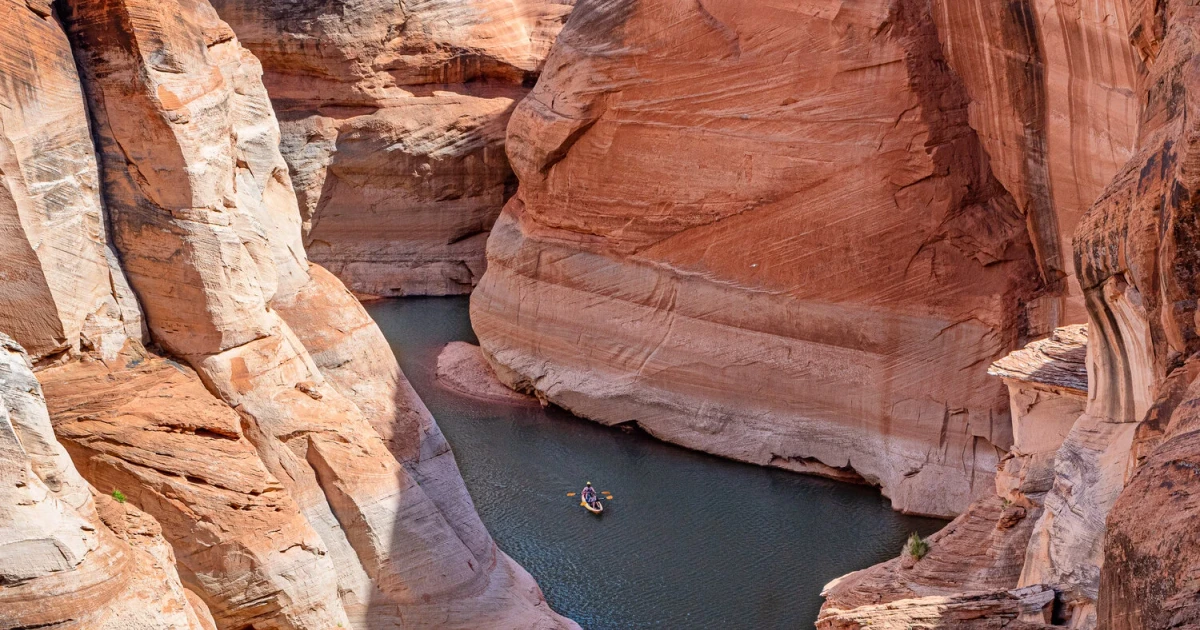
The Colorado River’s shrinking reservoirs are turning a long-running water dispute into a high-stakes fight over farms, cities, electricity and household taps across the American West. With Lake Powell and Lake Mead under pressure and post-2026 operating rules nearing expiration, the basin’s seven states are bracing for a battle that could end in federal intervention or the courts.
The river runs about 1,400 miles and drains roughly 250,000 square miles, supplying water, hydropower, recreation and habitat benefits to Arizona, California, Colorado, Nevada, New Mexico, Utah and Wyoming, as well as Mexico. Roughly 35 million to 40 million people depend on it for some or all of their water needs. The 1922 Colorado River Compact, signed on November 24, 1922, split the watershed into Upper and Lower Basins and initially allocated 7.5 million acre-feet a year to each basin for beneficial consumptive use, a framework now under severe strain.
Federal officials say the basin remains in unprecedented drought. The Bureau of Reclamation said Lake Powell’s water-year minimum probable inflow is just 2.78 million acre-feet, or 29% of historical average, and warned the reservoir could fall below the 3,490-foot minimum power-pool level by August 2026 without major intervention. Reclamation’s May 2026 forecast put Powell’s most probable inflow at 3.27 million acre-feet, about 34% of average. In April 2026, Reclamation said it was planning additional drought-response operations for Lake Powell, following similar actions in 2021 and 2022.
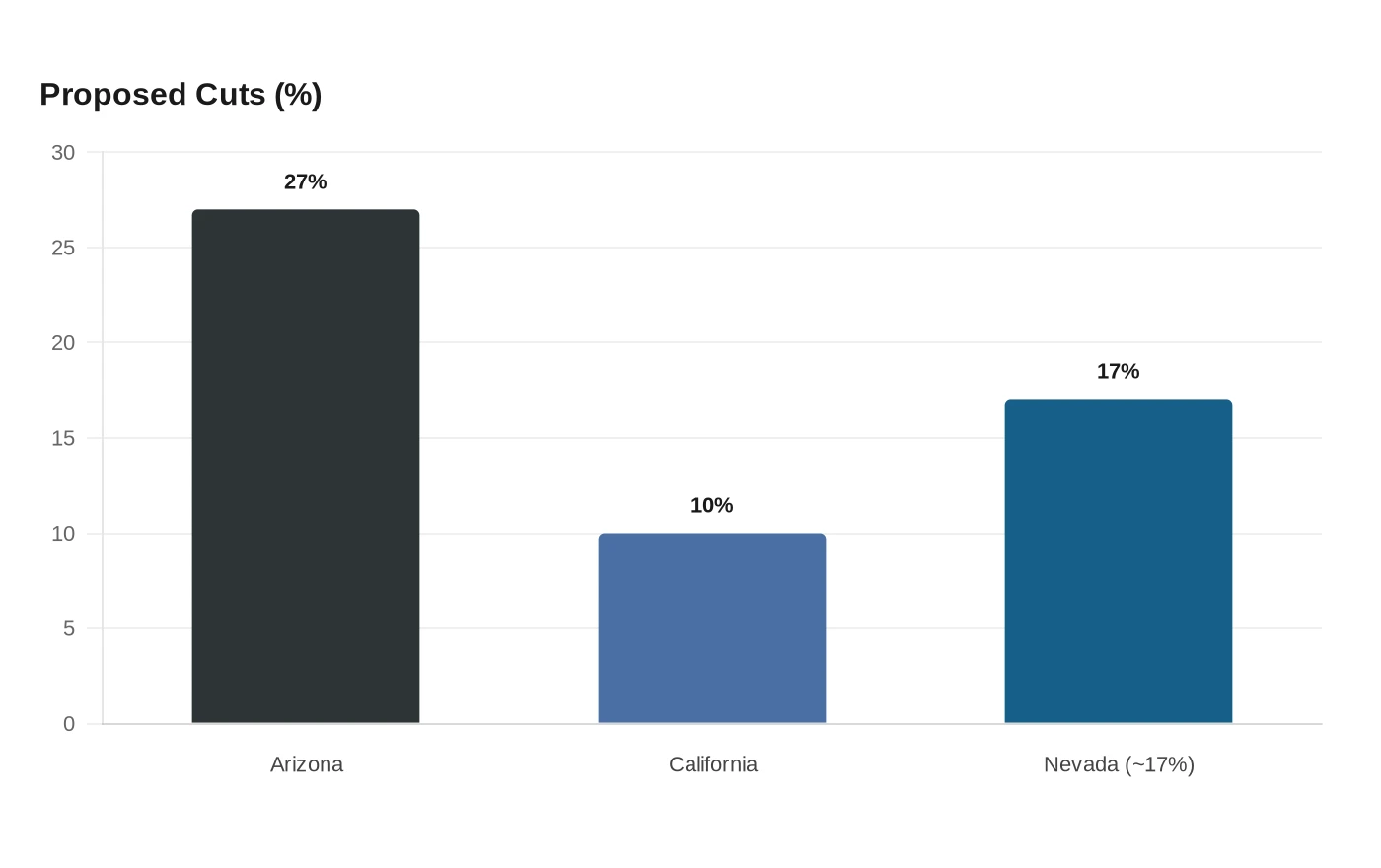
The political lines are hardening. In February 2026, the governors of California, Arizona and Nevada said Arizona had offered to reduce its Colorado River allocation by 27%, California by 10% and Nevada by nearly 17% in an attempt to reach a seven-state deal. Upper Basin governors Jared Polis, Mark Gordon, Michelle Lujan Grisham and Spencer Cox have said they remain committed to a solution for all seven states and are weighing upstream reservoir releases, voluntary conservation and stricter self-regulation.
The current operating rules for Lake Powell and Lake Mead, including the 2007 Interim Guidelines and the 2019 Drought Contingency Plans, are set to expire at the end of 2026. Reclamation has already released a draft Post-2026 Environmental Impact Statement, with a public comment period that ran from January 16 to March 2, 2026, underscoring how far the federal process has advanced. If the states fail to agree, Washington could impose its own rules, and the dispute could spill into litigation over who absorbs the cuts.
That possibility is already shaping expectations. A June 10, 2026, Senate Energy and Natural Resources Committee hearing was scheduled to examine basin hydrology and the post-2026 talks, while some early June reports said Arizona could face cuts of up to 77% under certain proposals. For farmers, tribal water users, utilities and fast-growing cities, the next agreement will determine more than delivery schedules: it will define how the West manages scarcity for years to come.