US News
Colorado River plan targets deeper cuts for Arizona, California and Nevada
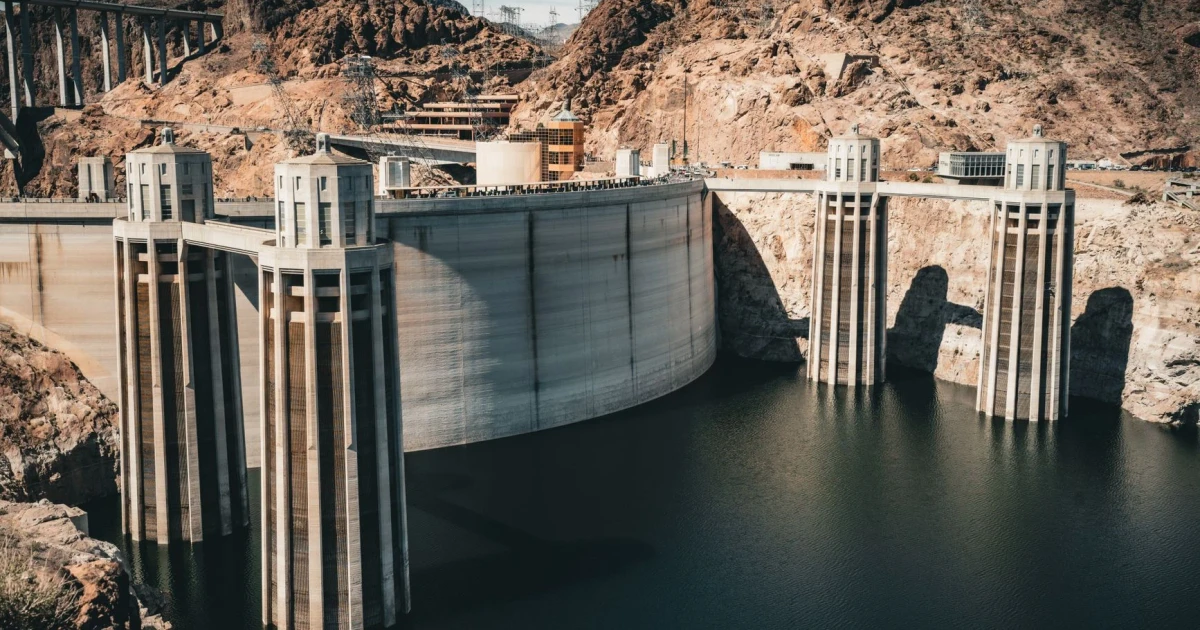
Federal planners have released the final environmental impact statement for post-2026 Colorado River operations, setting up new rules for Lake Powell and Lake Mead as the current framework, including the 2007 Colorado River Interim Guidelines, is set to expire at the end of 2026.
For Arizona, California and Nevada, the stakes go well beyond interstate bargaining. The Colorado River Basin supplies municipal water, irrigation, environmental flows, cultural uses and hydropower across seven U.S. states and Mexico, and Reclamation says the basin spans about 250,000 square miles along a river that runs roughly 1,400 miles. Stanford University Water Programs has said the basin serves up to 40 million people and five million acres of farmland, which means deeper cuts could ripple from cities to fields to the electric grid.
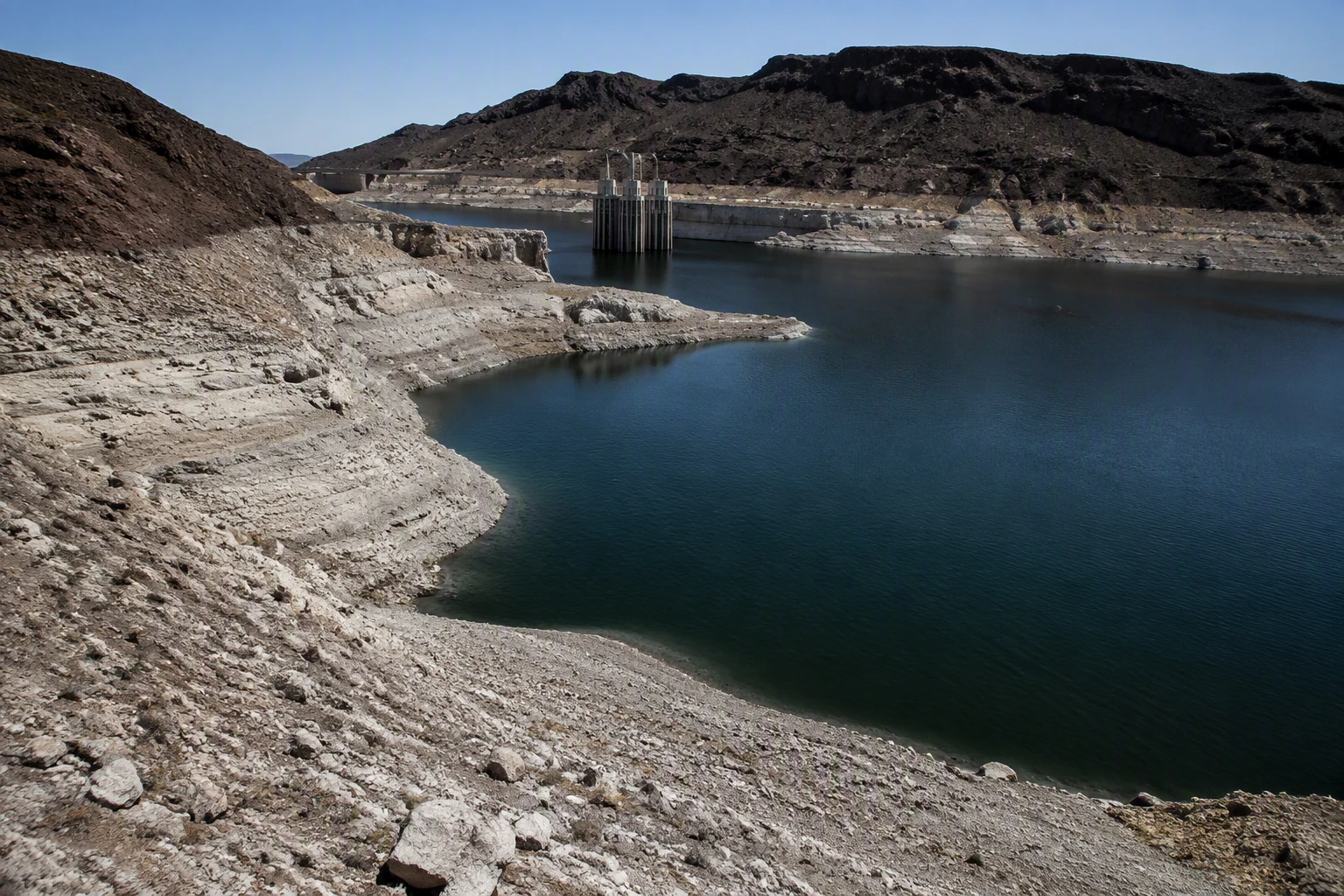
Reclamation’s draft environmental impact statement warned that those resources are at significant risk because of prolonged drought and future uncertainty. That is the core reason the post-2026 plan matters: it is not a one-time fix, but an operating framework for a basin still living below its historical comfort zone. If supplies keep tightening, municipal agencies would have less room to buffer households, and irrigators would face more pressure to reduce deliveries or leave land fallow. Hydropower losses at Lake Powell and Lake Mead would add another layer of strain.
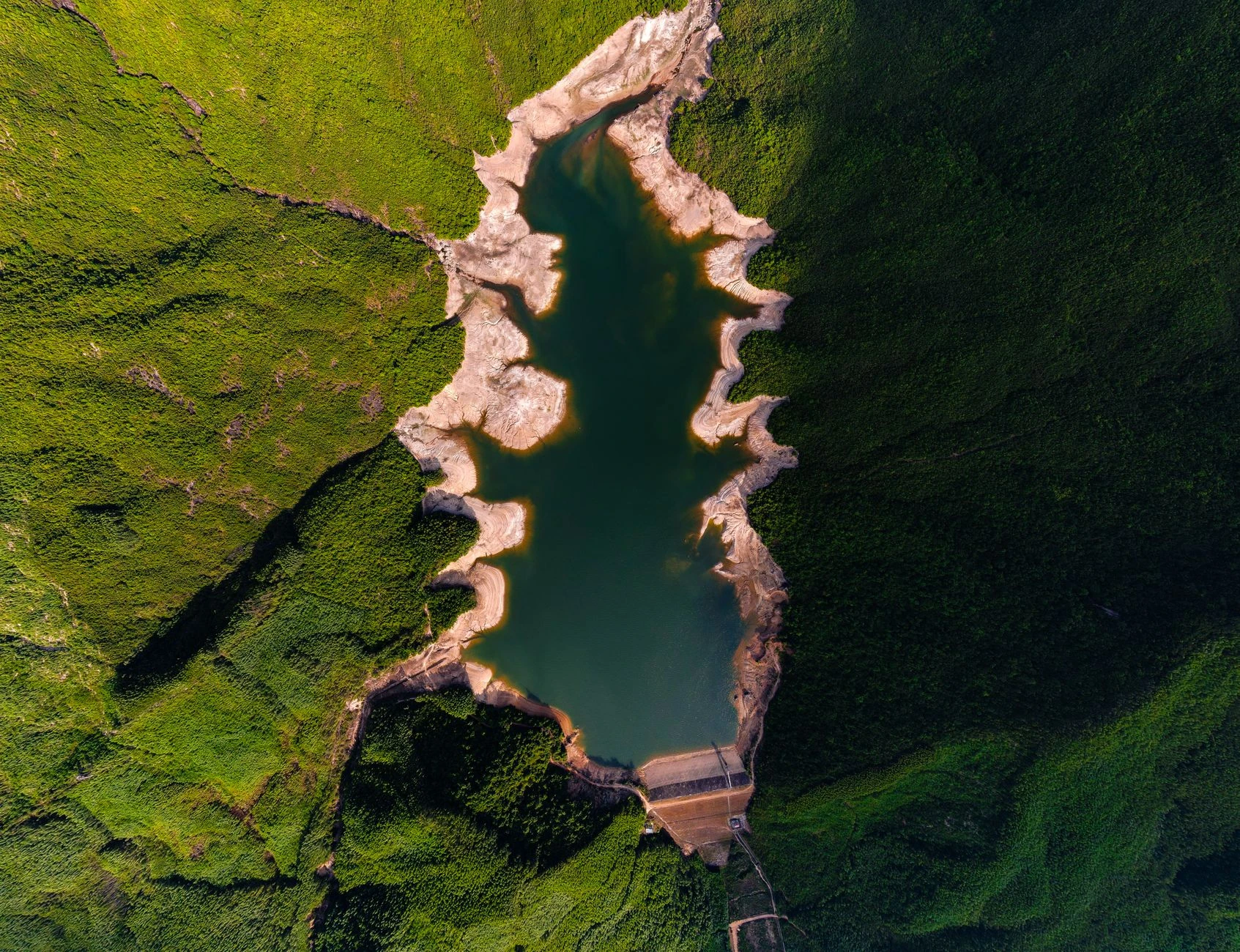
The federal planning process has been underway for years. A January 2025 alternatives report and the 2023 draft EIS materials helped shape the final document released in July 2026, underscoring how long the basin has been moving toward a new set of operating rules. The Bureau of Reclamation said the purpose is to guide operations of Lake Powell and Lake Mead after 2026, when several reservoir and water-management agreements are scheduled to lapse.
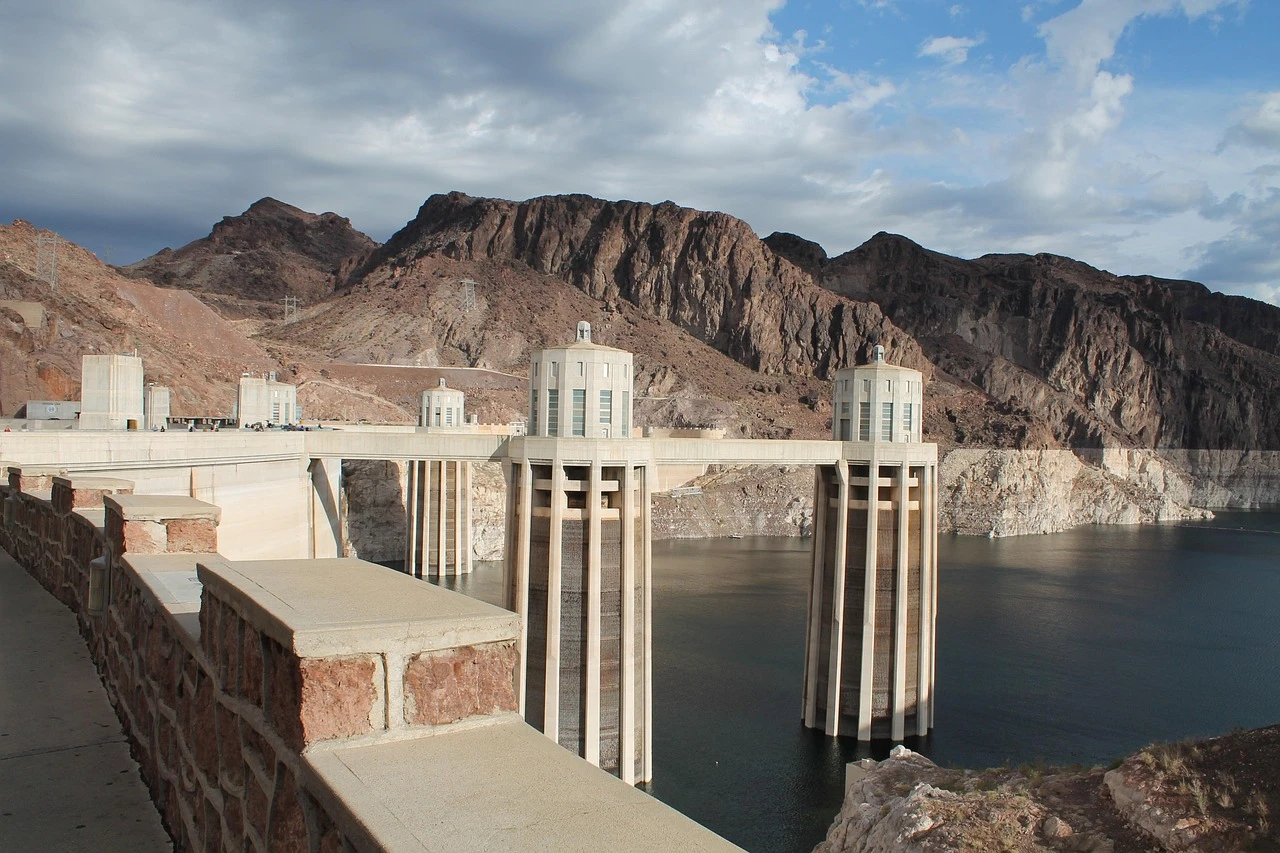
Tribal interests are central to the fight as well. A Native American Rights Fund summary said up to 30 federally recognized Native American tribes rely on the basin, adding another set of governments that depend on the same shrinking water supply. Colorado Senator Michael Bennet said on July 31 that he was disappointed by the final environmental impact statement, while Colorado’s Department of Natural Resources and Gov. Jared Polis had already submitted comments on the draft and raised concerns.
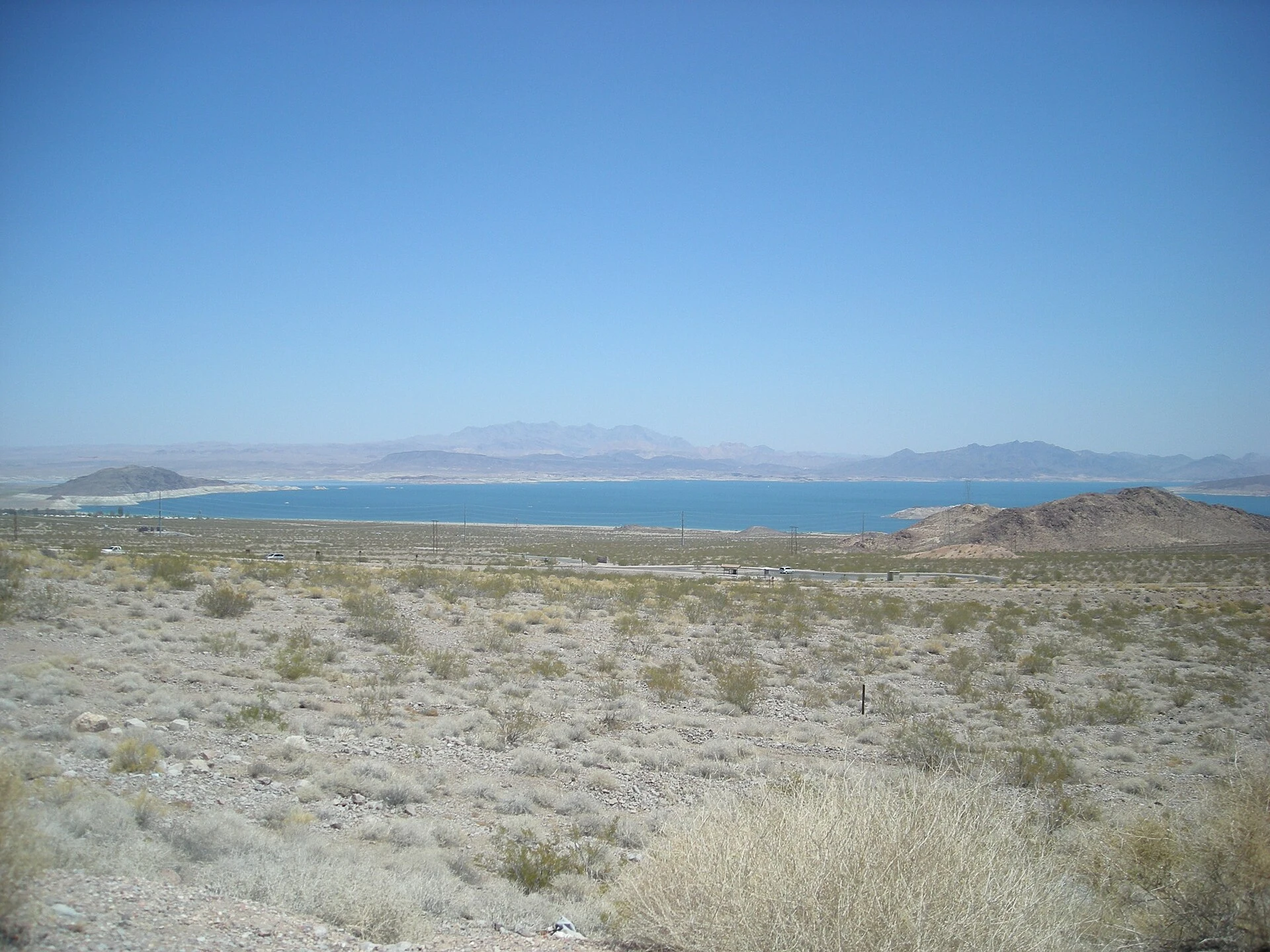
The result is less a resolution than a temporary truce. The final review moves the basin toward a new operating system, but the deeper cuts that states fear are still on the table if drought and demand continue to outrun the river.
Sources
- [1]news.google.com
- [2]usbr.gov
- [3]bennet.senate.gov
- [4]dnr.colorado.gov
- [5]narf.org
- [6]water.stanford.edu