Politics
Colorado’s Longest-Serving House Member Faces Tough Re-Election
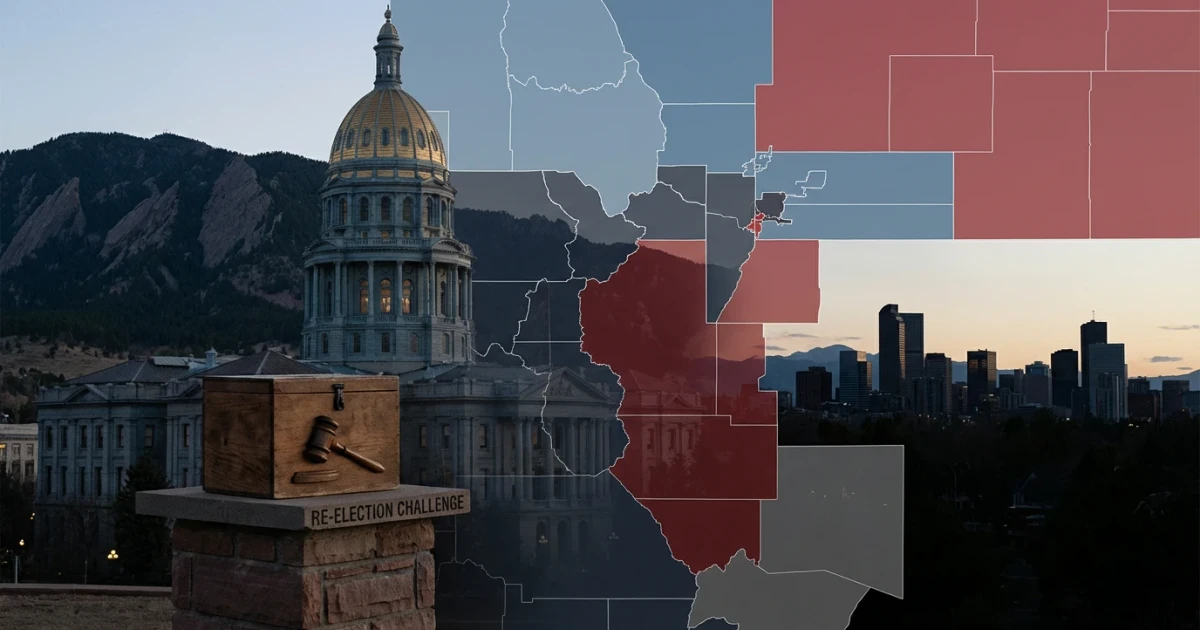
Colorado’s longest-serving member of the U.S. House of Representatives is heading into one of the state’s most closely watched re-election battles this year, as voters and political observers weigh whether his decades-long tenure will continue amid shifting demographics, new district lines, and a fiercely competitive campaign landscape.
Incumbency and Longevity in Congress
The congressmember in question has served longer than any other Coloradan currently in the House, a fact confirmed by the official House roster and historical tables of longest-serving members. His tenure reflects both his personal popularity and the power of incumbency, which, according to Pew Research analysis, remains a significant advantage in most U.S. House races—though recent cycles have seen increased turnover and anti-incumbent sentiment in some districts.
- Colorado’s current House delegation features only a handful of long-term incumbents, making this race particularly notable for its potential to signal broader political shifts.
- National trends show a gradual decline in average congressional tenure, with more members retiring or facing competitive primaries.
Electoral Landscape and Challenges
This year’s contest is shaped by several key factors. First, recent redistricting has altered the boundaries and demographics of Colorado’s congressional districts, with some areas becoming more competitive due to population growth and partisan realignment. The 2024 House elections in Colorado are expected to be among the most contested in the state’s recent history, with several seats drawing national attention and significant outside spending.
- Campaign finance data from the Federal Election Commission and OpenSecrets shows that this race is attracting substantial fundraising and expenditures, both from the incumbent and from challengers seeking to capitalize on changing voter sentiment.
- Colorado’s district demographics have become increasingly diverse, with shifts in age, ethnicity, and economic profile making electoral outcomes less predictable than in the past.
Redistricting and Its Impact
The most recent congressional redistricting in Colorado, finalized in 2021, reshaped the political map. For long-serving incumbents, district changes can introduce new communities and voter blocs unfamiliar with their record. As a result, even established lawmakers face the challenge of reintroducing themselves and their policy positions to a changing electorate. Analysts note that redistricting can reduce the advantage of incumbency, especially when district lines are redrawn to be more competitive or to reflect population shifts.
National Context and Voter Sentiment
Historically, Colorado has seen a mix of continuity and change in its congressional delegation, but the current political climate features an energized opposition and heightened scrutiny of long-serving incumbents. Nationally, the Pew Research Center notes that anti-incumbent sentiment tends to spike during periods of economic uncertainty or when trust in government is low. While incumbents retain advantages such as name recognition, fundraising networks, and legislative track records, challengers often run on messages of change and accountability.
What’s at Stake in the 2024 Election
With primary and general election campaigns in full swing, the race for Colorado’s longest-held House seat is expected to set records for spending and voter engagement. The outcome could influence not just the state’s representation in Washington, but also broader debates about the value of experience versus fresh perspectives in Congress. Voters will weigh the incumbent’s record of constituent service, legislative accomplishments, and ability to adapt to new district realities against the promises and platforms of challengers eager to bring change.
As the election approaches, eyes from around Colorado and the nation will be on this pivotal race, which could serve as a bellwether for the future direction of the state’s congressional delegation and the staying power of veteran lawmakers in an era of rapid political change.