Health
Colorectal Cancer Rises in Young Americans: Unpacking a Troubling Trend
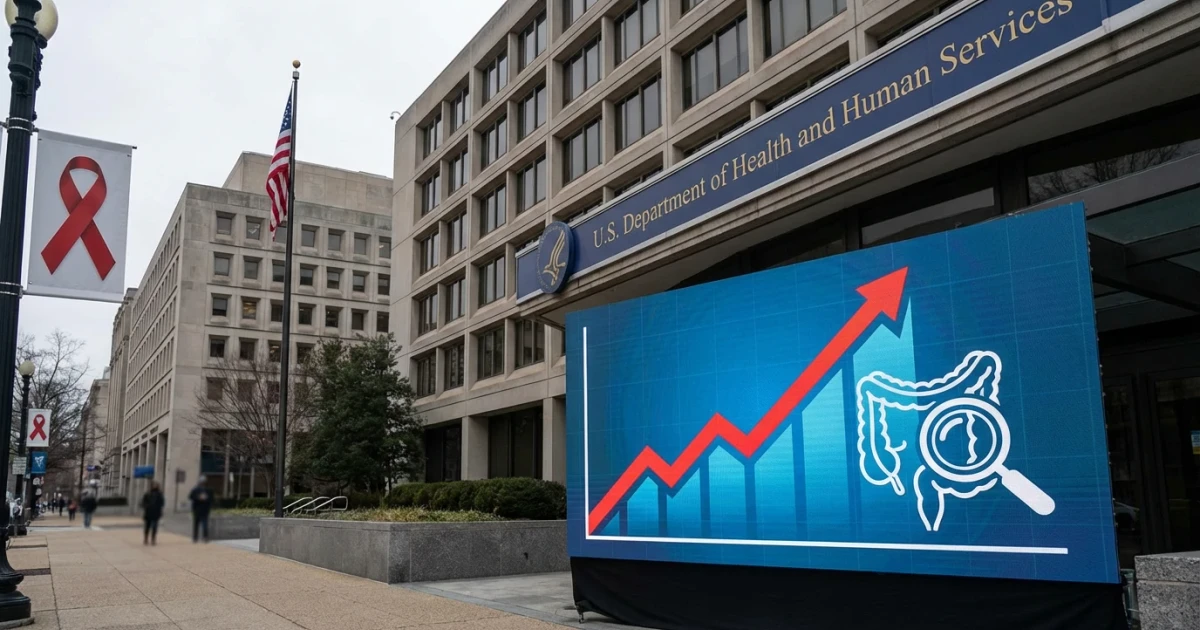
Colorectal cancer has emerged as a new leading cause of cancer death among Americans under 50, sparking concern among health experts and prompting fresh questions about the underlying causes of this unsettling trend. Recent studies and reports indicate that more young adults are both being diagnosed with and dying from colorectal cancer, shifting the focus of cancer awareness and prevention efforts toward a younger demographic.
Colorectal Cancer Now a Top Cancer Killer for Those Under 50
For years, colorectal cancer was primarily considered a disease affecting older adults, with routine screening typically beginning at age 50. However, new data reveals a significant change: the disease now ranks as a leading cause of cancer death for people under 50. This development has been highlighted by recent coverage and health organization alerts, underscoring the urgency for both patients and providers to pay closer attention to symptoms and risk factors among younger age groups.
- Colorectal cancer has overtaken many other cancers to become a top cause of cancer mortality in Americans under 50.
- Recent years have seen a steady increase in both incidence and mortality rates among younger adults.
What’s Driving the Increase in Younger Patients?
While the precise reasons for the rise in colorectal cancer among young people remain unclear, health experts point to a combination of factors that could be contributing:
- Lifestyle factors such as sedentary behavior, diets high in processed foods and red meats, and increasing rates of obesity are believed to play a role.
- Environmental changes and possibly undetected genetic predispositions are also being studied as potential contributors to the trend.
- Some experts have noted that younger patients are more likely to present with advanced disease, possibly due to delayed diagnosis or misattribution of symptoms to less serious conditions.
Symptoms and Challenges in Early Detection
One of the critical challenges is that colorectal cancer symptoms can be subtle or mistaken for more common, less serious digestive issues. Warning signs include:
- Blood in the stool
- Persistent abdominal pain or cramping
- Unexplained weight loss
- Changes in bowel habits
Because awareness of colorectal cancer risk has historically focused on older adults, younger patients and even healthcare providers may overlook or downplay these symptoms, leading to later-stage diagnoses and poorer outcomes.
Shifting Guidelines and Raising Awareness
In response to the rising incidence, major health organizations have begun to update screening recommendations. The American Cancer Society now suggests that average-risk adults begin colorectal cancer screening at age 45, rather than 50, with some experts advocating for even earlier screenings in high-risk individuals.
Public health campaigns are increasingly targeting younger adults with educational materials that stress the importance of recognizing symptoms and seeking timely medical advice. The hope is that increased awareness and earlier detection can help reverse the troubling upward trend in mortality.
What Can Younger Adults Do?
While some risk factors are beyond individual control, there are actionable steps that can help reduce the likelihood of developing colorectal cancer:
- Maintain a healthy diet rich in fruits, vegetables, and whole grains
- Limit consumption of red and processed meats
- Engage in regular physical activity
- Avoid tobacco and limit alcohol intake
- Be vigilant about any gastrointestinal symptoms and communicate concerns to a healthcare provider promptly
Looking Ahead: The Need for Ongoing Research and Vigilance
The rise of colorectal cancer in younger adults presents a significant challenge for the medical community and public health officials. Continued research is needed to better understand the causes and to develop targeted prevention strategies. Meanwhile, awareness campaigns and updated screening guidelines aim to reach at-risk populations before more lives are lost to a disease that, with early detection, is often treatable.
As the landscape of cancer risk shifts, so too must our collective response—ensuring that all Americans, regardless of age, have the information and resources needed to protect their health.
Sources
- [1]ABC News