Health
Colorectal Cancer Surges as Leading Cancer Killer Among Young Adults, Defying Overall Trends
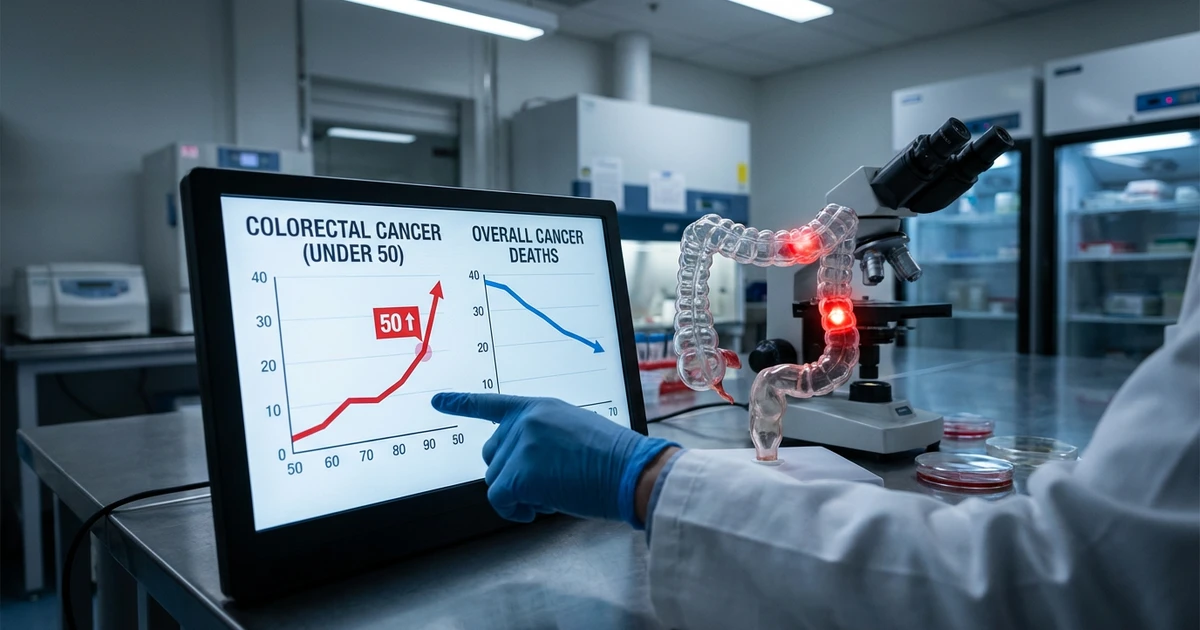
Colorectal cancer has emerged as the leading cause of cancer death among people under 50, according to the latest reports, bucking the overall positive trend of declining cancer mortality in young adults. While deaths from most major cancers continue to fall in this age group, colorectal cancer stands out as an alarming exception.
Colorectal Cancer Now the Leading Cause of Cancer Death Under 50
Recent data highlights a profound shift in cancer mortality patterns for young adults. Historically, lung, breast, and other cancers have been the most common causes of cancer-related deaths in those under 50. However, colorectal cancer has now surpassed these, becoming the number one cancer killer for this demographic. This shift is particularly noteworthy given ongoing public health campaigns and advances in treatment for other cancer types.
Declining Death Rates for Most Cancers
Overall, the news is positive for young adults facing cancer. Mortality rates from leading cancers—including lung, breast, and prostate—have been steadily decreasing. These improvements are attributed to:
- Increased public awareness and early detection
- Improved screening protocols
- Advancements in cancer therapies and personalized medicine
These efforts have saved thousands of young lives, underscoring the effectiveness of modern oncology and prevention strategies for many cancer types.
Colorectal Cancer Defies the Trend
In stark contrast, colorectal cancer mortality is on the rise among adults under 50. Experts and researchers are increasingly concerned about this trend, as it reverses decades of progress in cancer prevention. While the reasons for the increase are not fully understood, potential factors include:
- Changes in diet and lifestyle
- Obesity rates rising among younger populations
- Possible genetic or environmental contributors
This development signals an urgent need for further research into risk factors and potential preventive measures specifically targeting younger adults.
Implications for Screening and Awareness
The rise of colorectal cancer as the primary cancer killer in young adults has prompted discussions about adjusting screening guidelines. Traditionally, routine colorectal cancer screening begins at age 45 or 50, but the shifting mortality landscape suggests that earlier intervention may be warranted.
Public health organizations are now considering:
- Raising awareness of colorectal cancer symptoms among young people
- Encouraging healthy lifestyle choices to reduce risk factors
- Potentially lowering the age for recommended screenings
Looking Ahead
As most cancer death rates decline for young adults, the exception of colorectal cancer is cause for concern. Continued vigilance, research, and potential policy changes will be key to reversing this troubling trend. In the meantime, individuals are encouraged to stay informed about their personal risk factors and seek medical advice if they have concerns about colorectal health.
Sources
- [1]CNN