Science
Colossal X4.2 Solar Flare Disrupts Radio Signals Across Africa and Europe
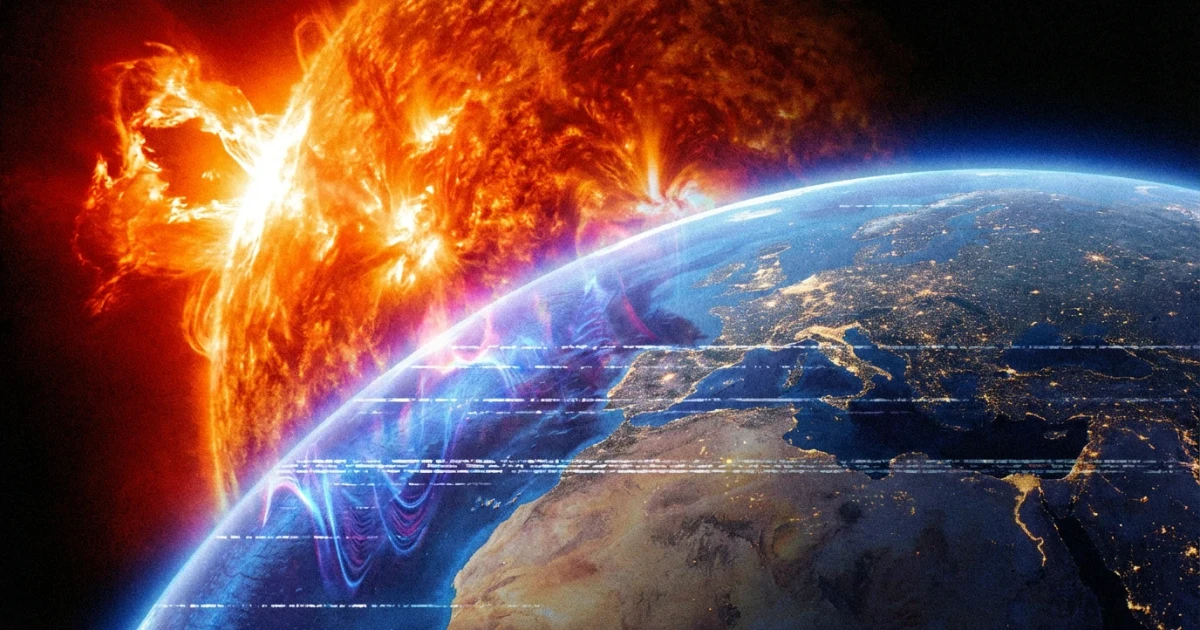
The Sun unleashed a powerful X4.2-class solar flare on February 4, 2026, triggering widespread radio disruptions across Africa and Europe and signaling a period of heightened solar activity that could impact technology on Earth.
Massive Solar Flare Causes Radio Blackouts
The X4.2 solar flare, one of the strongest in recent years, erupted from the Sun’s surface and sent a surge of high-energy radiation toward Earth. According to multiple reports, the event knocked out high-frequency radio signals across large portions of Africa and Europe, affecting communication networks used by pilots, maritime operators, emergency services, and radio enthusiasts. The blackout was most severe in regions directly exposed to the intense radiation from the flare at the time of impact.
- Flare class: X4.2, one of the highest on the solar flare scale
- Regions affected: Africa and Europe experienced the most significant radio signal disruptions
- Timing: The event was recorded on February 4, 2026
Understanding X-Class Solar Flares
Solar flares are categorized by their intensity, with X-class being the most powerful. An X4.2 rating means the flare is over four times more potent than the threshold for the X category. Such flares emit a flood of X-rays and ultraviolet radiation, which can ionize the Earth’s upper atmosphere and interrupt radio wave transmission. These disturbances pose challenges to aviation, shipping, and emergency communications, especially in regions under direct sunlight during the flare’s peak.
Recent Surge in Solar Activity
The X4.2 flare was not an isolated event. In recent days, the Sun has released several strong solar flares, indicating an uptick in solar activity as the current solar cycle approaches its peak. Scientists note that these increased solar eruptions can lead to more frequent and intense space weather events, including geomagnetic storms that have the potential to impact satellites, navigation systems, and even power grids on Earth.
Potential Impacts and What to Expect
While the immediate consequence of the X4.2 flare was the temporary radio blackout, experts warn that continued elevated solar activity could have broader implications:
- Disruption of air and maritime communication in affected regions
- Possible interference with satellite operations and navigation systems
- Increased risk of geomagnetic storms that could affect power infrastructure
- Enhanced auroral activity visible at lower latitudes
Scientists and space weather agencies are closely monitoring the Sun for further activity. They advise operators of critical communication and navigation infrastructure to remain alert, as additional strong flares could occur in the coming days and weeks.
Looking Ahead: Preparing for More Solar Storms
The recent X4.2 flare serves as a stark reminder of the Sun’s power and the interconnectedness of space and Earth-based technology. While most solar flares cause only temporary disturbances, the growing frequency of strong flares underscores the importance of space weather preparedness for industries and governments worldwide.
For further updates and information on solar activity, visit the NOAA Space Weather Prediction Center and official space agency channels.
Sources
- [1]Space