Entertainment
Colson Whitehead’s Harlem trilogy offers a hopeful vision of Black history
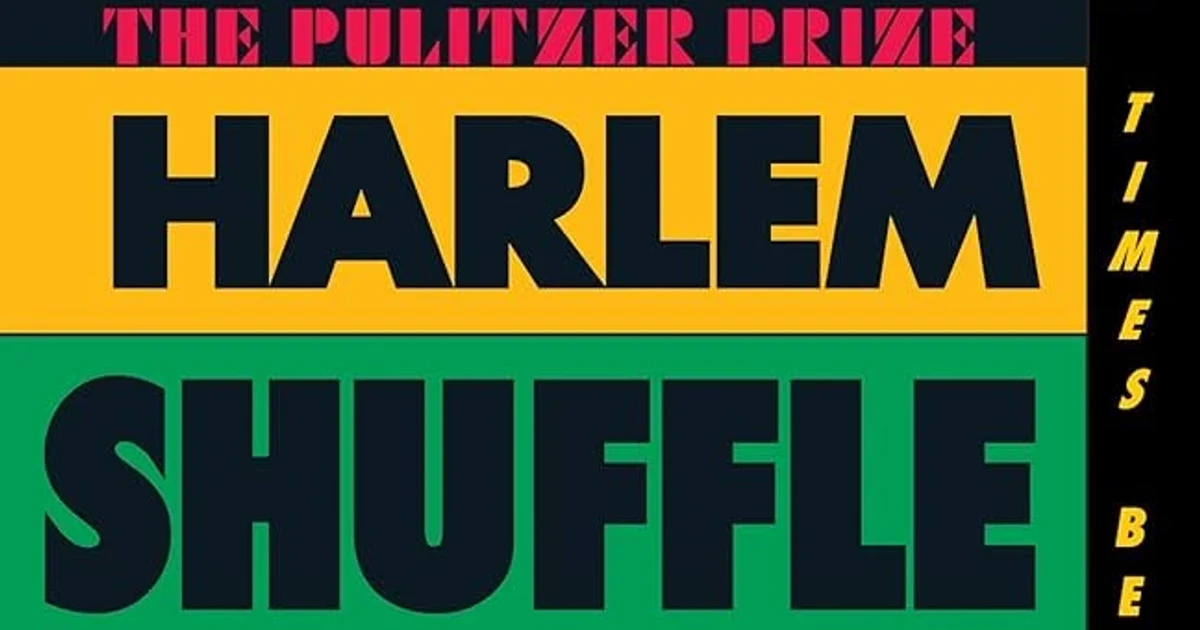
Colson Whitehead’s Harlem trilogy reorients Black history around survival that builds, not only suffering that breaks. After the searing force of The Underground Railroad and The Nickel Boys, his Pulitzer-winning fiction turns toward Harlem, where Ray Carney, a furniture salesman and fence for stolen goods, moves through crime, commerce, and family life across three decades.
A trilogy that changes the lens
Whitehead is one of the few novelists, and the only living writer, to have won two Pulitzer Prizes for Fiction, for The Underground Railroad and The Nickel Boys. That earlier work made his reputation on novels of catastrophe and racial terror, with slavery and a Jim Crow reform school at their centers. The Harlem trilogy, which runs from Harlem Shuffle to Crook Manifesto and concludes with Cool Machine, does something different: it treats Black urban life as a living system of work, loyalty, compromise, and adaptation.
That shift matters because it resists the idea that Black history must always be narrated through injury alone. Whitehead does not abandon violence, corruption, or moral risk. Instead, he places those forces inside a longer account of how a neighborhood holds itself together, how a family business persists, and how a character like Ray Carney makes a life in the middle of pressure.
Ray Carney and the economics of Harlem
The trilogy’s center is practical rather than abstract. Ray Carney first appears as a small-time crook who fences stolen goods while working as a furniture salesman, a role that makes him both respectable and compromised. That double identity gives the trilogy its tension, but it also gives it its cultural argument: Black urban history is not just a record of harm, it is also a history of enterprise, hidden networks, and self-protection.
Whitehead roots Carney in the material world of New York business and neighborhood commerce. Furniture stores, family obligations, and street-level deals become as important as shootouts and cons because they are the machinery of continuity. In that sense, Harlem is not a backdrop. It is an economic and social ecosystem where Black ambition takes ordinary forms, from retail to kinship, and where those forms can outlast the crises around them.
Why the tonal shift feels guarded, not naive
The trilogy is more hopeful than Whitehead’s recent novels, but not sentimental. His earlier books are defined by historical trauma rendered with relentless clarity; the Harlem books keep the grit but widen the frame. Across Harlem Shuffle, Crook Manifesto, and Cool Machine, the story is not that Harlem is safe or redeemed. It is that Harlem remains legible as a place where people improvise, endure, and pass knowledge forward.
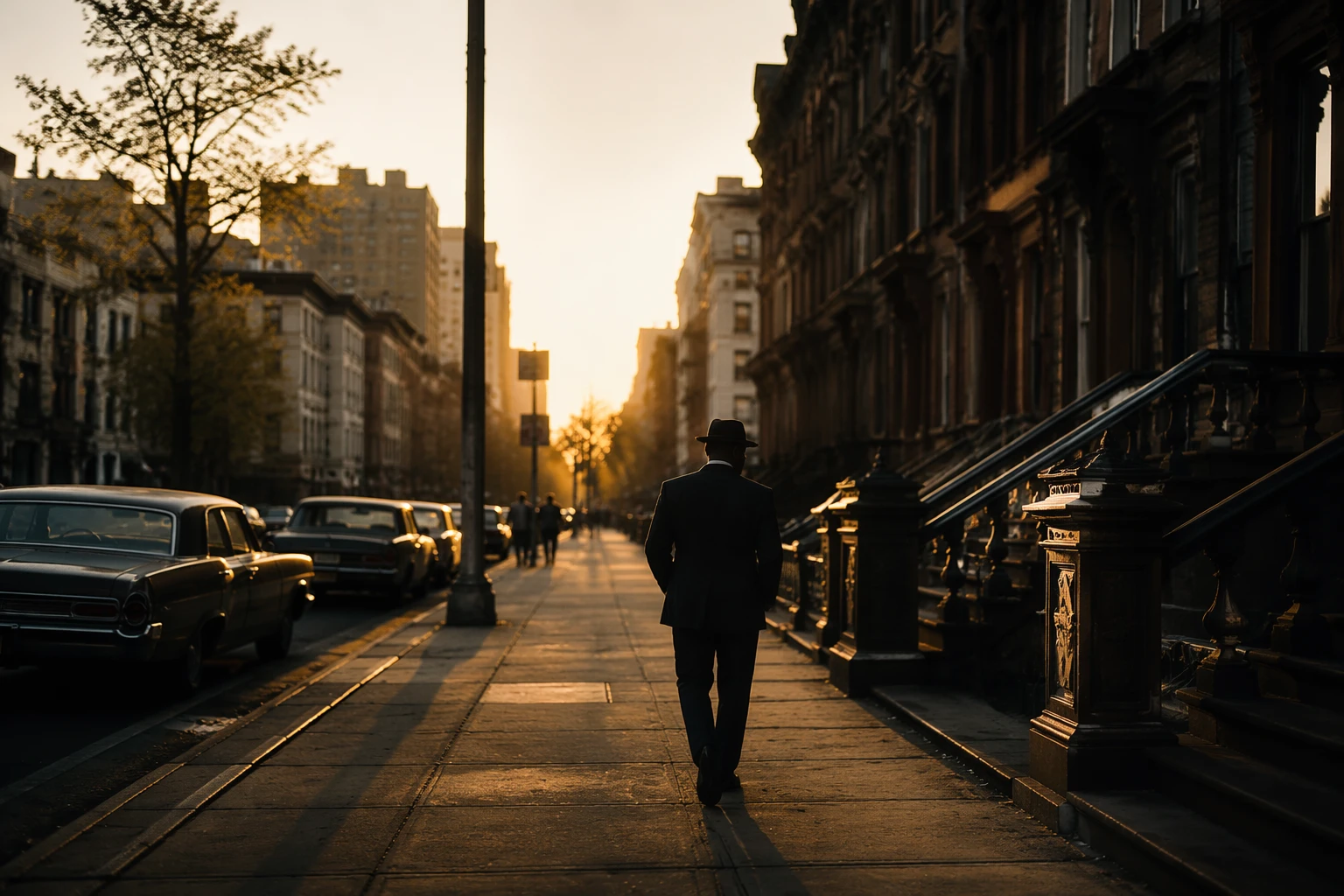
That guarded optimism is what gives the trilogy its force in a national culture that often defaults to historical pessimism. So much public conversation about Black life gets stuck at the level of damage, extraction, and collapse. Whitehead’s Harlem refuses that narrowing. It presents a Black urban world that is flawed and endangered, yet still capable of continuity, argument, humor, and renewal.
A history of agency, not just trauma
The trilogy’s biggest contribution is the way it reclaims Black urban history as future-making. Whitehead’s Harlem is full of criminality, but crime is only one of the forms through which power circulates. The deeper story is about who gets to build a stable life, who gets forced into improvisation, and how a community remembers itself even when the rules are hostile.
That is why the series feels larger than a genre exercise. Whitehead draws on the textures of crime fiction, but he uses them to map Black middle-class aspiration, neighborhood mobility, and the precarious economics of survival. The result is a version of Harlem that carries not only pain but inheritance, where the past is not an anchor dragging everything down, but a structure people keep working within and against.
The final book closes the arc, not the argument
Cool Machine, the final book in the Harlem saga, is Whitehead’s 10th novel and brings the trilogy to its close after Harlem Shuffle and Crook Manifesto. Across the three books, the series spans the 1960s, 1970s, and 1980s, allowing Whitehead to show how Black life in New York changes without losing continuity. That long view is part of the trilogy’s cultural weight: it is historical fiction, but it behaves like a civic record.
Whitehead’s Harlem books do not deny the brutality that shapes American history. They insist on something harder to see and easier to miss: Black history also contains practical intelligence, business sense, domestic loyalty, and the stubborn making of a future. In a moment obsessed with decline, that is not a soft ending. It is a more durable one.
Sources
- [1]nytimes.com