Science
Comet 12P/Pons-Brooks Surprises Astronomers With Sudden Spin Reversal
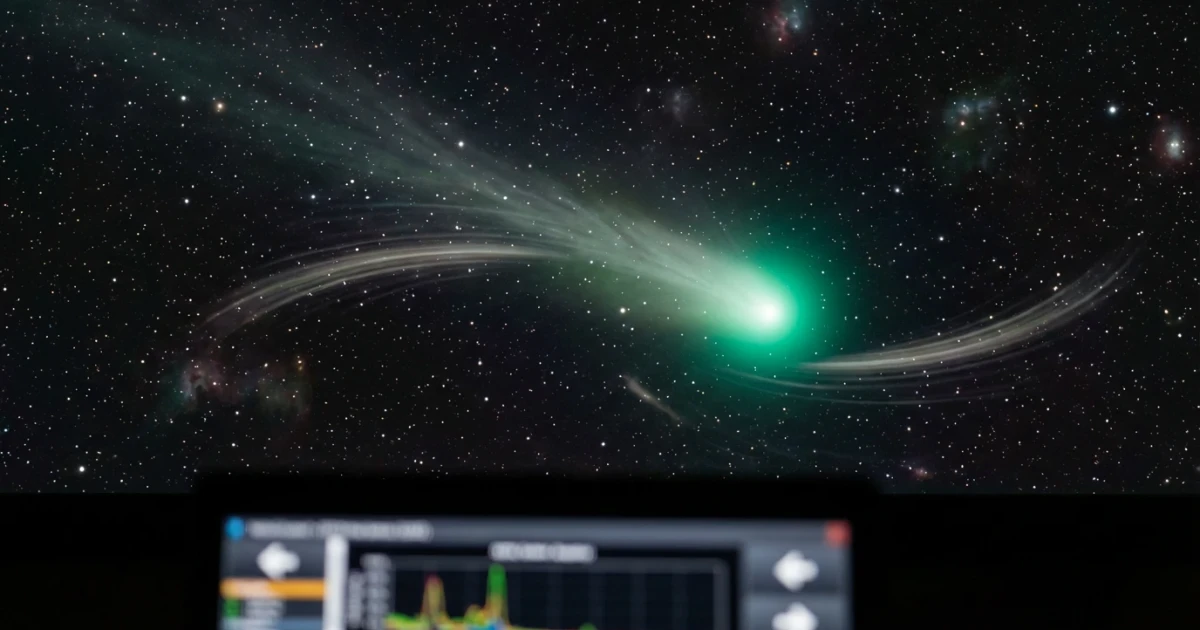
Comet 12P/Pons-Brooks has stunned astronomers by abruptly stopping its rotation and then beginning to spin in the opposite direction, as first reported by The New York Times. This rare event, observed during the comet’s recent approach to the inner solar system, provides a unique opportunity to study the complex forces that shape the behavior of these icy wanderers.
Unusual Rotational Changes Detected
According to The New York Times, astronomers tracking comet 12P/Pons-Brooks noticed a dramatic shift in its rotation: the comet first appeared to slow to a halt, then reversed its spin direction. Such a reversal is extremely rare among comets, whose spins are typically altered only gradually by outgassing—jets of gas and dust released as sunlight heats their surfaces.
- Comet 12P/Pons-Brooks is a periodic comet, returning every 71 years.
- The object was first discovered in the 19th century and has been tracked through multiple apparitions.
- This current perihelion passage has enabled high-precision monitoring of its activity and spin state.
Possible Causes: Outbursts and Outgassing
Cometary spin changes are typically driven by outgassing—the release of volatile materials as the comet nears the Sun. However, the abruptness of 12P/Pons-Brooks’s reversal suggests an unusually strong or focused outburst may have occurred. The New York Times notes that such sudden events can significantly alter a comet’s rotation, especially if jets erupt from a localized area.
Past research, including photometric monitoring studies, has shown that comets can experience complex rotational evolution over time. In the case of 12P/Pons-Brooks, the reversal indicates a major shift in the distribution or intensity of surface activity during this apparition.
Scientific Significance and Ongoing Observation
The surprising behavior of 12P/Pons-Brooks is drawing renewed attention from the astronomical community. Ongoing analyses aim to determine whether the spin reversal is temporary or marks a lasting change in the comet’s behavior. The event underscores the importance of continuous observation and data collection, as even well-known comets can still offer new and unexpected insights.
- The Minor Planet Center continues to collect astrometric data on 12P/Pons-Brooks.
- Researchers are comparing recent observations with historical records to better understand the comet’s spin evolution.
- High-resolution imaging and spectroscopic studies may help pinpoint the regions responsible for the powerful outgassing event.
Looking Forward: What This Means for Comet Science
The case of 12P/Pons-Brooks highlights how seemingly routine objects can defy expectations. By tracking how this comet’s rotation evolves in the coming months and during future returns, scientists hope to better understand the interplay between internal structure, surface activity, and solar heating. The findings could have broader implications for predicting the behavior of other comets and assessing potential hazards posed by their unpredictable movements.
As astronomers continue to monitor 12P/Pons-Brooks, the comet stands as a vivid reminder of the dynamic and sometimes surprising nature of our solar system’s icy visitors.