Science
Commercial Space Launches Raise Pollution Concerns
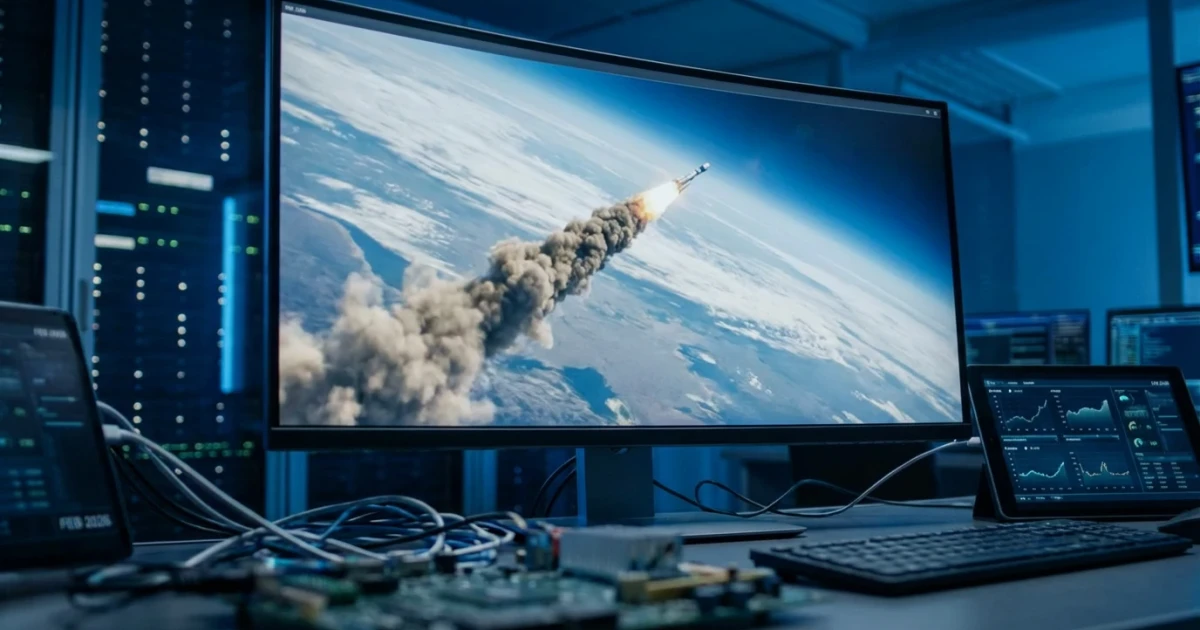
Commercial space launches are once again in the spotlight after a recent incident linked a significant plume of atmospheric pollution to the rapidly growing industry. The event is fueling debate over the environmental impact of private space companies, including high-profile operators like SpaceX, and the adequacy of current regulations.
Pollution Plumes Spark Environmental Debate
The incident, first covered by Futurism, revealed that a large plume of pollution was traced back to a commercial rocket launch. While the report did not specify the precise company involved, it noted that the emissions would likely be unwelcome news for industry leaders such as Elon Musk, whose SpaceX has dramatically increased launch frequency in recent years. This finding echoes concerns raised by Inside Climate News, which previously highlighted the types and quantities of pollutants produced by rocket launches.
Environmental Risks of Space Launches
The rise in commercial space activity has prompted scrutiny from environmental advocates. According to Inside Climate News, the sector contributes to atmospheric pollution through emissions such as carbon dioxide, black carbon (soot), and aluminum oxide particles. These pollutants can reach the upper atmosphere, where their effects are magnified compared to surface-level emissions. Peer-reviewed studies, like those summarized in this scientific report, support the concern that rocket launches have a measurable impact on atmospheric composition and climate, though the overall share remains small compared to other sectors.
- Rocket launches emit black carbon directly into the stratosphere, where it can persist for months and contribute to warming.
- Aluminum oxide particles from solid-fueled rockets may affect ozone layer chemistry.
- Increasing launch frequency means cumulative emissions are rising year over year, as shown in recent launch statistics.
Regulation and Oversight: A Loosely Governed Industry
Despite the rapid expansion of commercial spaceflight, regulatory oversight of environmental impacts remains limited. The Federal Aviation Administration (FAA) is primarily responsible for licensing launches, but a comprehensive environmental impact framework is still evolving. Internationally, the UN treaties governing space activities contain only general provisions on environmental protection, leaving much of the responsibility to national regulators.
The lack of stringent regulation means companies often face fewer barriers when conducting launches, but it also leaves gaps in monitoring and mitigating the resulting pollution. This regulatory landscape is now being re-examined as the environmental consequences of frequent launches become more apparent.
Industry Growth and the Road Ahead
The commercial space sector has seen unprecedented growth, with FAA data showing a notable increase in the number of licensed launches annually. This growth is driven by satellite deployment, space tourism, and exploration ventures. While the sector's total emissions are still small compared to major contributors like aviation or shipping, experts warn that unchecked expansion could change that picture.
Calls are growing for more comprehensive research, improved tracking of emissions, and the development of cleaner propulsion technologies. Environmental advocates emphasize that as the industry matures, it must balance innovation with stewardship of Earth's atmosphere.
Looking Forward
The recent pollution plume connected with a commercial rocket launch has intensified scrutiny of the environmental risks posed by the space industry. As launches become more routine, the question of how to regulate and minimize their impact is moving to the forefront of policy discussions. Industry leaders, regulators, and environmentalists will need to collaborate to ensure that humanity's reach for the stars does not come at the planet's expense.