Lifestyle
Communal Tables Make a Comeback in U.S. Restaurants
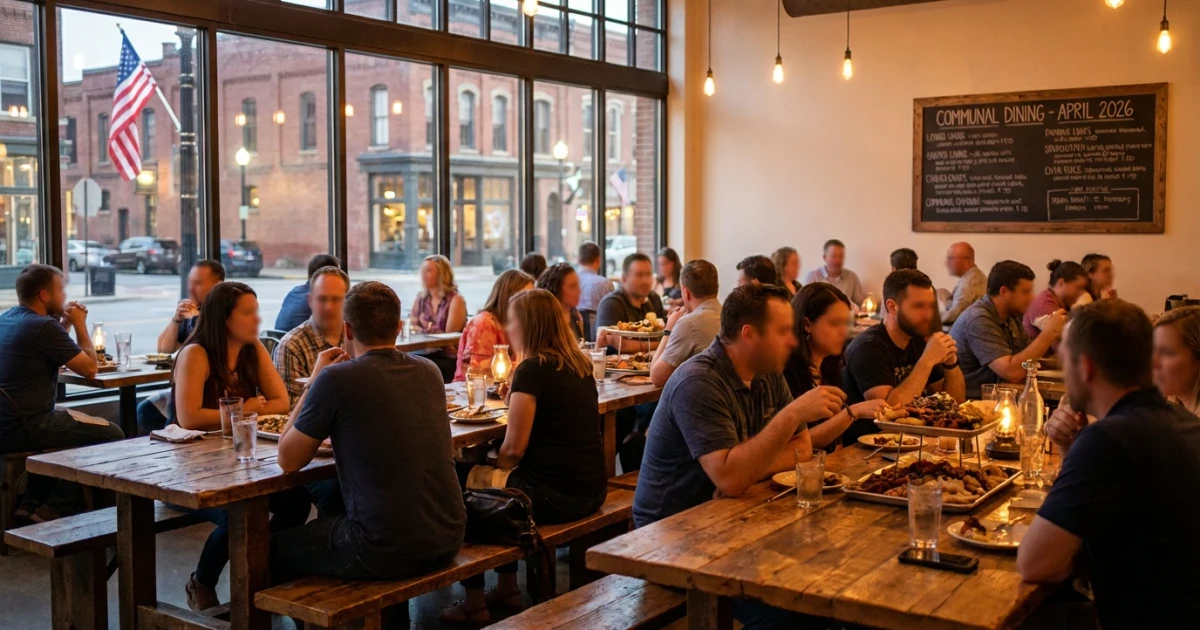
Restaurants across the United States are bringing back communal tables, tapping into a growing desire among diners for deeper social connections and shared experiences when eating out. This renewed interest in communal dining reflects shifting consumer values and evolving restaurant strategies as the industry adapts to post-pandemic preferences.
The Social Draw of Shared Dining
According to the Chicago Tribune, the return of communal tables is driven by diners seeking more than just a meal—they want opportunities to connect with others, whether friends, family, or even strangers. This trend aligns with research from Pew Research Center, which shows that Americans increasingly value social connections and community engagement. Communal dining offers a unique setting for these interactions, fostering a sense of belonging and conviviality that traditional table arrangements may lack.
- 65% of U.S. adults say spending time with others is very important to their overall happiness (Pew Research Center)
- Restaurants report an uptick in group dining reservations and larger parties since early 2024
Restaurant Industry Responds to New Preferences
The National Restaurant Association’s State of the Restaurant Industry Report 2024 notes that operators are redesigning spaces to accommodate both individual diners and groups. Flexible seating options—including large communal tables—allow restaurants to serve more guests during peak hours and create a lively atmosphere that appeals to younger demographics seeking social experiences. Data from the NPD Group confirms that restaurant visits are increasing as diners seek out venues that facilitate social interaction.
- Communal tables are especially popular in urban markets and among casual dining concepts
- Some restaurants report shorter wait times and higher table turnover due to flexible communal seating
How Shared Tables Affect Dining Behavior
Research published by the National Center for Biotechnology Information highlights the social facilitation of eating. People tend to eat more and report higher enjoyment when dining in groups, suggesting that communal tables can enhance both appetite and satisfaction. Statista’s data on U.S. restaurant seating preferences shows a gradual increase in acceptance of communal tables, with a notable rise among customers under 35.
- Studies find that group dining leads to longer meal durations and increased menu exploration
- Restaurant operators see higher beverage and appetizer sales at communal tables
Balancing Privacy and Community
While communal dining offers social benefits, not all diners are eager to share a table. Statista reports that booths and private tables remain the most popular choices overall. To accommodate different preferences, many restaurants now offer a mix of communal and traditional seating, allowing guests to choose their ideal experience.
Looking Ahead
The resurgence of communal tables underscores a broader shift in how Americans view dining out—not just as a means to eat, but as an opportunity for meaningful connection. As restaurants continue to innovate, the blend of flexible seating, diverse menu options, and a focus on community is likely to shape the dining landscape in the years ahead.