Technology
Companies shift to cheaper AI models as usage-based bills surge
Uber burned through its entire 2026 AI budget in just four months after employees raced to adopt AI coding tools, then moved to cap usage. That squeeze is pushing more companies to question whether the biggest frontier model is worth the price when smaller systems can handle routine work at far lower cost.
The shift marks a break from the early phase of enterprise AI, when Silicon Valley’s most powerful models were treated as the default choice for companies trying to future-proof operations. A growing group of executives now argues that cheaper, smaller models are good enough for a large share of corporate tasks, especially as AI spending has become less predictable and easier to overshoot.
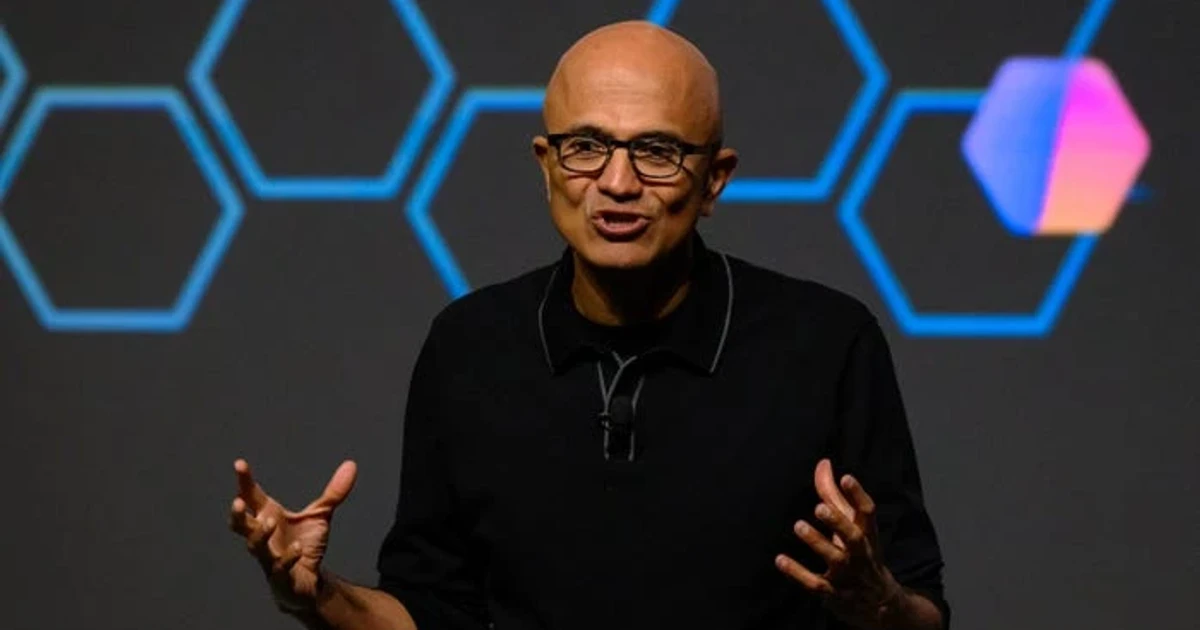
Microsoft chief executive Satya Nadella, Palo Alto Networks chief executive Nikesh Arora and Coinbase chief executive Brian Armstrong have each publicly favored smaller, lower-cost systems for routine enterprise needs. Their case has gained traction as firms move away from flat subscriptions and toward usage-based pricing, which can leave companies with unexpectedly large bills when workers lean heavily on AI or when tasks consume more tokens than planned.

That pricing change is altering procurement decisions. Earlier in the boom, many companies treated rising consumption as a sign of productivity, a mindset sometimes described as tokenmaxxing. Now those costs are visible enough to force finance teams and technology leaders to slow buying decisions, tighten controls and look harder at model size, task specificity and total usage.
BlueRock chief executive Harold Byun said the licensing shift caught many businesses by surprise, highlighting how software costs can swell even when token prices fall. The result is a more disciplined buying environment in which the best model is no longer automatically the most powerful one, but the one with the best cost-performance mix.

That is strengthening demand for open-source, compact and task-specific models that can do a narrower job at a lower bill. For AI vendors, the change increases pressure to justify premium pricing. For enterprise customers, it shifts more leverage toward internal buyers who can compare costs, limit usage and choose models based on return on investment rather than raw capability.