Business
Companies urge governments to make electrification a core economic strategy
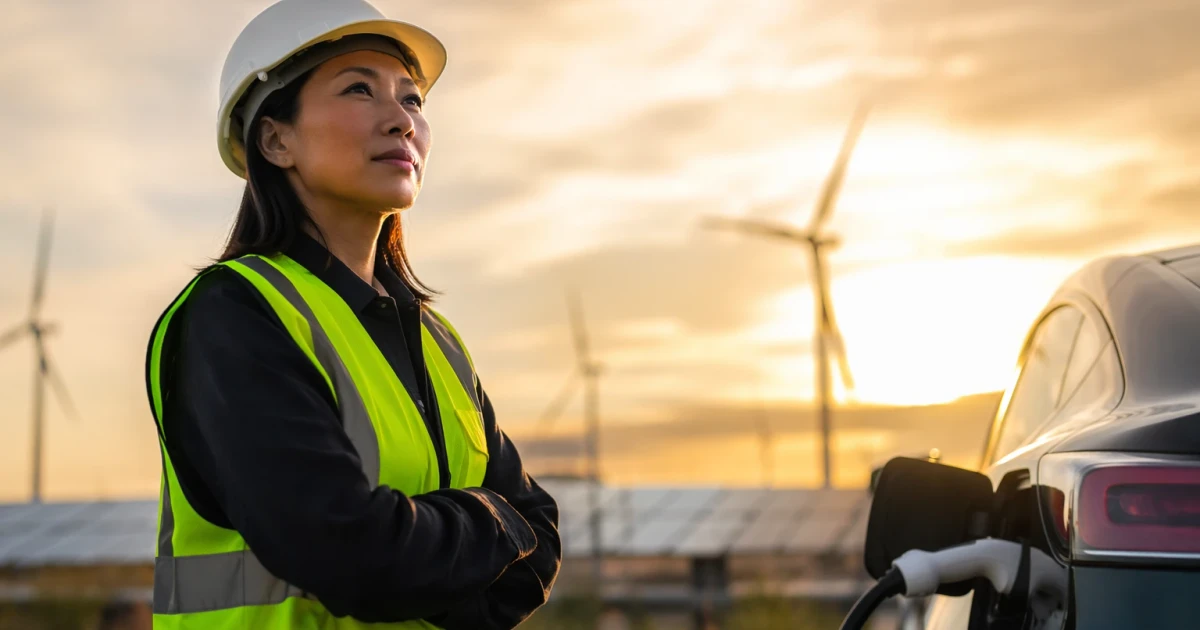
More than 100 companies from Nestlé and Uber to IKEA are pressing governments to make electrification a core economic strategy, arguing that faster adoption of electric technologies would reduce exposure to fossil-fuel price swings and strengthen energy security. The coalition says the issue is not just about emissions. It is about competitiveness, predictable rules and the grid investments, charging networks and faster permitting needed to move electric technologies into the mainstream.
The statement is backed by 112 businesses with combined annual revenues of about $1.5 trillion. It spans firms including Iberdrola, Volvo Cars, Mahindra Group, Nikon Corporation and Levi Strauss, a mix that stretches across industrials, consumer goods, healthcare, manufacturing and transport. That breadth matters: the message is coming from large companies that see operational and financial gains in lowering their dependence on volatile fossil-fuel markets.
The timing is strategic. The European Commission has said its Electrification Action Plan is foreseen in July 2026, and that it will speed up cost-effective, system-friendly electrification of transport, industry and buildings. The plan sits alongside the Clean Industrial Deal and the Affordable Energy Action Plan, which introduced a reference target of 32% electricity in final energy consumption by 2030. For companies facing energy-price shocks, that target is becoming an argument for industrial policy, not just climate policy.
The lobbying effort has been building for months. Corporate Leaders Group Europe said on March 16, 2026, that leading companies and business networks representing the whole energy value chain were urging urgent action to scale up clean electrification. It relaunched its EU electrification statement on May 21 with more than 70 leading businesses and business organisations calling for action across the bloc.
Some of the companies pushing governments are already moving in the same direction. Ingka Group, the largest IKEA retailer, said on November 14, 2024, that it would invest EUR 1.5 billion to accelerate its phase-out of fossil fuels. IKEA later said renewable electricity in production rose from 71% to 75% in FY24. Uber says on its sustainability page that it tracks electrification through Q1 2026 and that progress is strongest where policy, industry investment and charging networks align.
That mix of lobbying and private investment underscores the boardroom case for electrification. Companies are asking governments to create the rules and infrastructure that can turn lower fuel exposure into lower costs, more resilient supply chains and a stronger industrial base.
Sources
- [1]money.usnews.com
- [2]finance.yahoo.com
- [3]energy.ec.europa.eu
- [4]corporateleadersgroup.com
- [5]ingka.com
- [6]ikea.com
- [7]uber.com