Technology
Comparing AI’s Growth to the Impact of Fracking
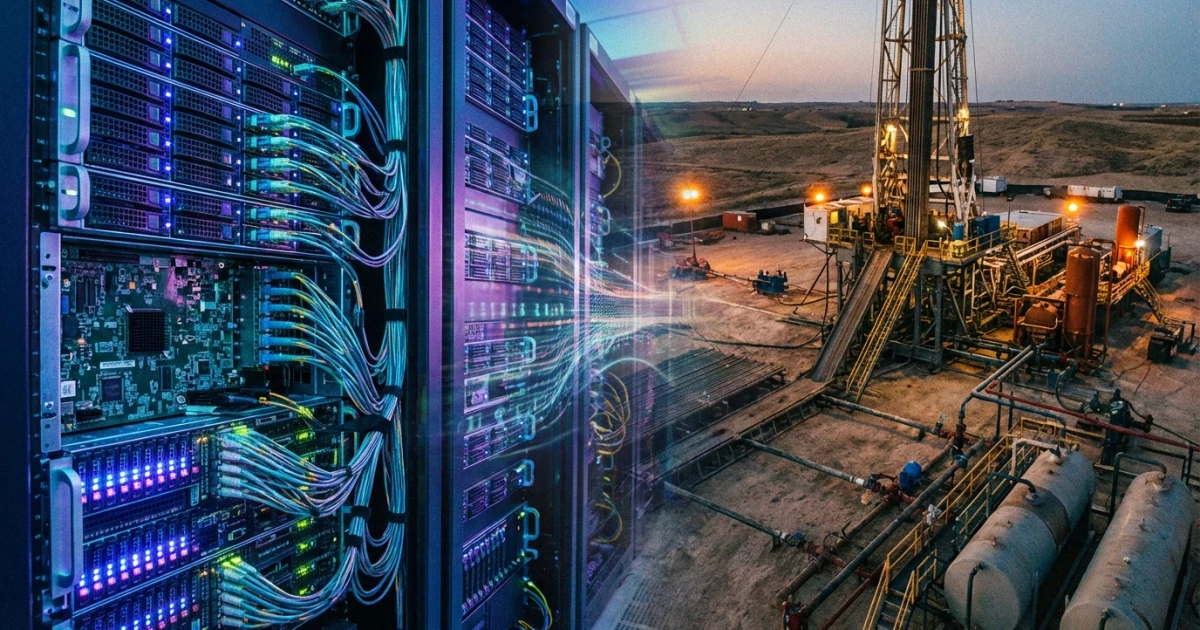
Is artificial intelligence following a path similar to the rise of fracking? As AI infrastructure expands rapidly, industry analysts and business leaders are drawing comparisons to the hydraulic fracturing boom that reshaped global energy markets and industrial policy over the past two decades.
Economic Transformation and Investment
Supporters of the analogy point to the massive capital flows and disruptive effects both sectors have unleashed. The Financial Times reported that the growth of AI has drawn investment on a scale reminiscent of the shale revolution, with companies such as Apple Inc. and NVIDIA pouring billions into cloud computing and AI chips. According to NVIDIA's financial statements, revenues from AI and data center products have surged, reflecting a market demand similar to the explosion in oil and gas output enabled by fracking.
- AI infrastructure spending is projected to reach hundreds of billions of dollars annually by the late 2020s.
- Fracking led to a doubling of U.S. natural gas production between 2008 and 2020, with comparable economic ripple effects.
Both AI and fracking have generated new industries, jobs, and even geopolitical shifts, as the U.S. became a net energy exporter and now aims to set global standards in artificial intelligence.
Energy Consumption and Environmental Concerns
A significant point of comparison is energy use. The International Energy Agency’s Electricity 2024 report highlights that global data centers—driven by the spread of AI—are expected to double their electricity demand by 2026. Similarly, fracking sparked debates over water usage, methane emissions, and environmental sustainability, which remain contentious today. The expansion of AI has reignited conversations about the environmental footprint of exponential computing, especially as data centers’ energy needs rival those of entire countries.
- Data center electricity use is forecast to exceed 1,000 TWh by 2026, up from about 460 TWh in 2022.
- Fracking’s environmental impacts led to regulatory scrutiny and public debate over resource management and pollution.
Policy, Regulation, and Risk
Both industries have outpaced regulatory frameworks. Fracking’s rapid expansion forced governments to adapt environmental laws and safety standards. Today, AI’s development is advancing faster than many jurisdictions can legislate, raising concerns about data privacy, security, and societal impact. The Financial Times notes that policymakers are watching closely for lessons from the shale era, as the balance between innovation and oversight remains a central challenge.
Key Differences
Despite the parallels, there are important distinctions. Fracking is an industrial process extracting physical resources, while AI is intangible, built on data and computational power. The societal impacts of AI—such as automation, changes in employment, and shifts in power dynamics—are still unfolding and may prove even more far-reaching than the energy transition sparked by fracking.
Looking Ahead
As AI’s infrastructure buildout continues, the comparisons to fracking highlight both the promise and perils of rapid technological change. Industry observers caution that the ultimate outcomes will depend on how governments, companies, and communities manage growth, risk, and sustainability. The lessons of the shale revolution offer valuable context—both as a roadmap and a warning—for the age of artificial intelligence.