Science
Concerns Grow Over Fungal Strains Found in Space
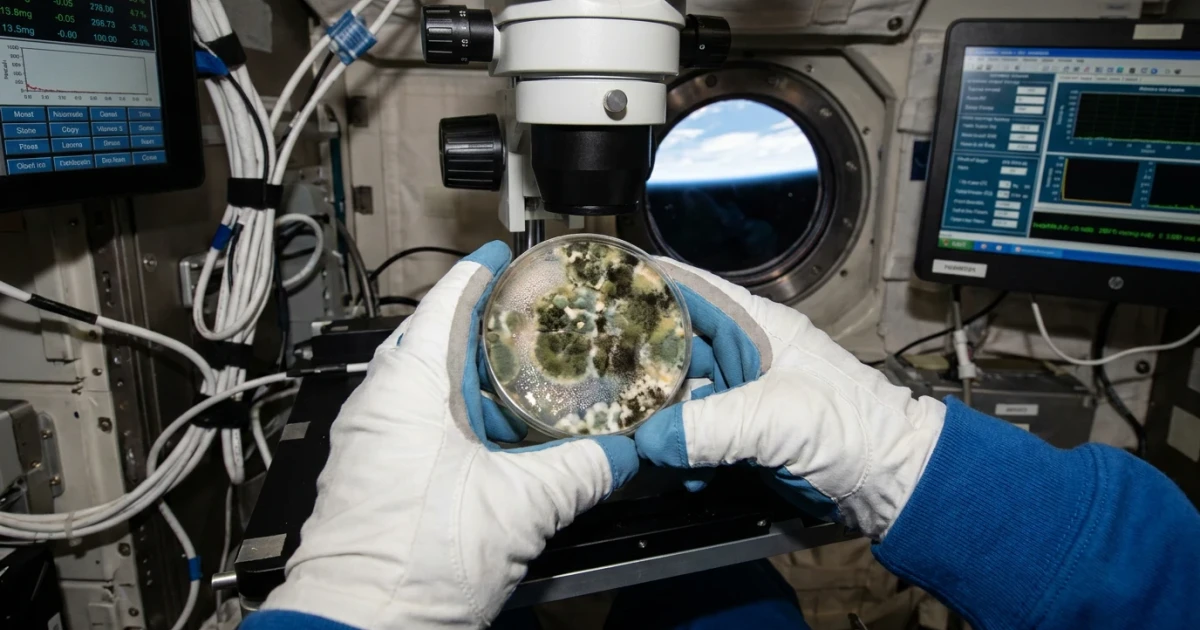
Recent findings of diverse fungal strains aboard the International Space Station (ISS) are prompting fresh concerns among scientists about the risks and potential benefits these microorganisms pose for long-term space missions and the possibility of life on Mars.
Fungi Thrive in the Harsh Environment of Space
Multiple studies have confirmed that a variety of fungal species not only survive but thrive in the unique conditions of the ISS. According to research published in peer-reviewed microbial ecology journals, the ISS harbors a surprising diversity of fungi—including species commonly found on Earth and others that have adapted to the microgravity, radiation, and low-nutrient environment of space. Data from NASA's ongoing microbial monitoring confirms that fungal loads fluctuate but remain persistent, often colonizing areas with high human activity or moisture.
- Fungi are present in dust, air, and on surfaces aboard the ISS
- Common genera include Aspergillus, Penicillium, and Cladosporium
- Some strains exhibit increased resistance to radiation and disinfectants
The resilience of these organisms has led researchers to speculate about their potential role in supporting life beyond Earth, as well as the risks they might pose to both spacecraft and planetary environments.
Risks to Astronaut Health and Spacecraft Integrity
One of the primary concerns is the impact of fungal growth on astronaut health. While most fungi found so far are not highly pathogenic, their presence can trigger allergic reactions or worsen respiratory conditions. According to a NASA feature on ISS microbes, some microbial populations can be beneficial by outcompeting harmful bacteria, but unchecked fungal growth may compromise air quality and hygiene.
Additionally, certain fungi are known for their ability to degrade polymers, paints, and metals. This raises concerns about the long-term integrity of spacecraft systems and habitats. The European Space Agency's space microbiology program has documented cases of material deterioration linked to fungal colonization. These findings underscore the importance of regular cleaning protocols, environmental monitoring, and the development of anti-microbial materials for future missions.
Could Fungi Help Sustain Life on Mars?
Despite their risks, some scientists see promise in the unique adaptations of space-dwelling fungi. Fungi are renowned for their ability to break down complex organic compounds, recycle nutrients, and even produce useful substances like antibiotics and vitamins. Recent reviews, such as "Fungi in the Space Environment", highlight the possibility of harnessing fungal biology for sustainable life support systems on Mars or the Moon.
There is also renewed debate around the possibility that similar resilient fungi could already exist on Mars or elsewhere. While no definitive evidence of Martian fungi has been found, the survival skills of Earth fungi in space suggest that life forms with similar adaptations could persist on other planets, especially in protected niches or below the surface.
Planetary Protection and Forward Plans
The persistence of fungi in space environments is forcing space agencies to rethink planetary protection protocols. Both NASA and the European Space Agency are updating guidelines to minimize the risk of contaminating other worlds with terrestrial microbes—including resilient fungi. This involves stricter sterilization of spacecraft and enhanced monitoring of microbial stowaways.
For the public and scientific community alike, the discovery of thriving fungal populations aboard the ISS is a double-edged sword: it highlights both the challenges of living and working in space, and the remarkable adaptability of life. As research continues, the lessons learned from space fungi could shape the future of deep space exploration and the search for life beyond Earth.
Looking Ahead
As missions to Mars and beyond become more ambitious, understanding and managing the role of fungi in space habitats will be critical. Ongoing research and international collaboration will be essential to ensure both the safety of astronauts and the integrity of potential extraterrestrial ecosystems.