Entertainment
Conclave’s debut album blends Afro-Caribbean grooves and New York soul

Conclave’s debut does not sound like a fixed statement so much as a crowd arriving all at once. Led by Brooklyn-based Dominican-American DJ, producer, vocalist, and multi-instrumentalist Cesar Toribio, the 11-track album moves like a live neighborhood gathering, with rotating musicians opening and closing the space around the beat. Released on June 18, 2021, it also marked Love Injection Records’ first full-length album, which gives the project the feel of both a label milestone and a city snapshot.
A debut built like a gathering
The name Conclave points to the record’s organizing idea: a coming together. That meaning is reinforced by the album’s connection to the clave rhythm, the pulse that helps, in the project’s own framing, “unlock dances both ancestral and contemporary.” This is not a rigid band statement or a studio exercise in polish; it is music built around movement, exchange, and the give-and-take of a room full of players.
That structure matters because the album is a rotating collective rather than a fixed group. Toribio sits at the center, but the music breathes like a community session, with voices and instruments cycling in and out of focus. The result is a debut that feels social before it feels formal, which is exactly why it lands so naturally as a guide to how New York can sound when a block becomes a dance floor.
Why it reads like a New York summer block party
The most persistent comparison around Conclave is also its most revealing: it sounds like a New York City block party. That description is more than a flattering metaphor. It captures the album’s mix of joy, density, and neighborhood-scale intimacy, the same qualities that define a hot summer evening when music spills from stoops, sidewalks, and open windows.
The record’s palette helps make that picture vivid. Afro-Caribbean grooves sit alongside deep house, jazz, funk, and soul, while layered Rhodes, organ, percussion, and Yoruba chants create a sound that feels both rooted and in motion. You can hear the city in that combination, not as a skyline or brand, but as a living place where church, dance, memory, and late-night street energy overlap.
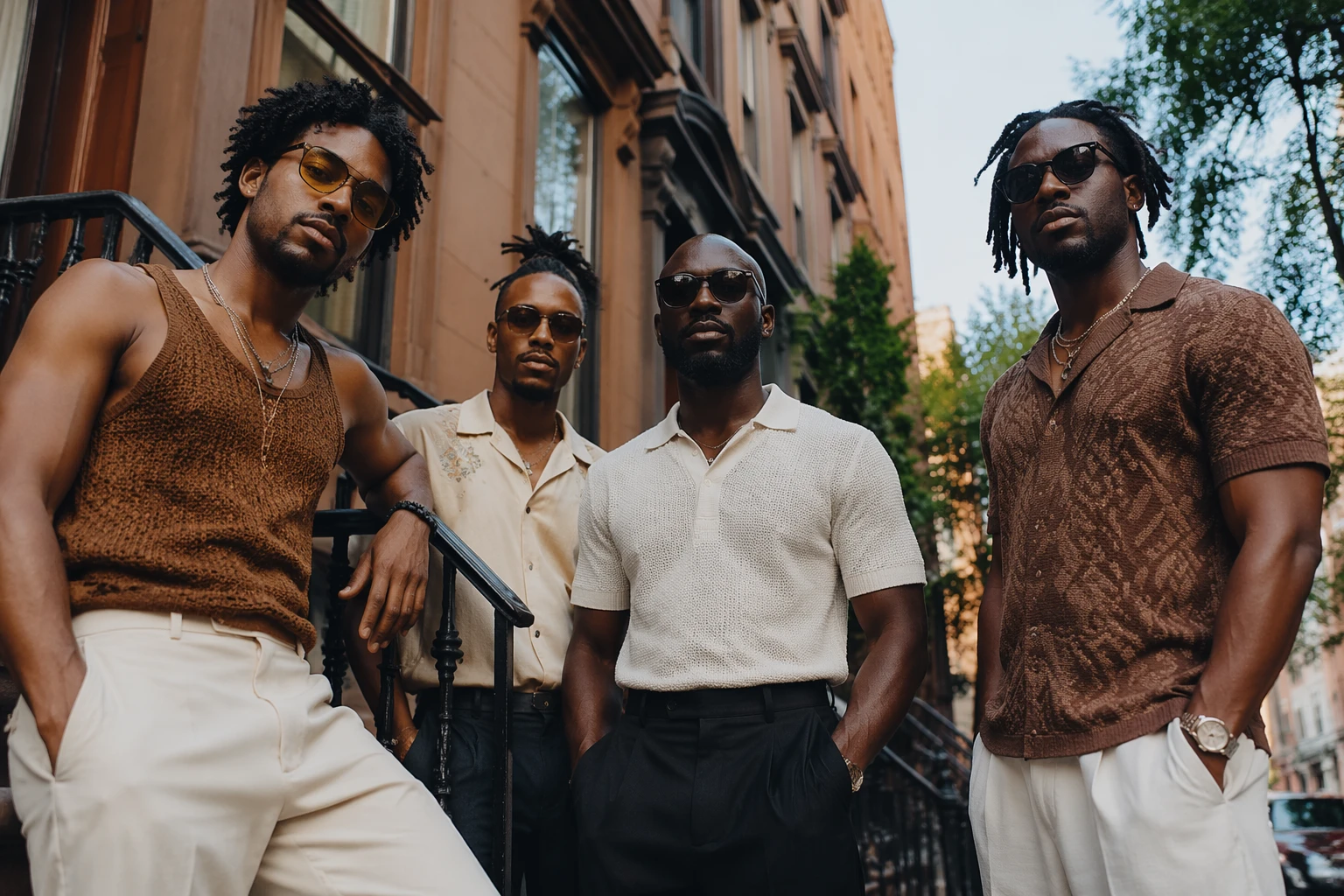
That is why the album resonates as a cultural weather report on New York. Summer in the city is not just heat, it is the pressure of bodies, histories, and sound systems sharing air. Conclave channels that pressure into something communal and restorative, a soundtrack for the kind of block party that turns a neighborhood into a temporary commons.
Toribio’s route runs through church, the Caribbean, and jazz
Toribio’s background explains why the record feels so connected to both sacred and secular traditions. He has said he grew up in church in southern Florida and was exposed to hymns and gospel, while also absorbing salsa, cumbia, and merengue. Later, he studied jazz in Boston, adding another layer of improvisational language to a musical vocabulary already shaped by Afro-Latin rhythm and call-and-response energy.
That path shows up in the album’s balance of discipline and release. The church influence gives the music lift and group feeling, while the Caribbean and Latin influences give it sway and heat. Jazz, meanwhile, seems to inform the way the arrangements leave room to breathe, letting percussion and keyboards create momentum without crowding the groove.
For a New York listener, that lineage is easy to place. The city has always been a meeting point for these sounds, from Dominican and Puerto Rican neighborhood traditions to club culture and downtown experimentation. Conclave does not flatten those histories into a slogan; it lets them rub against one another until they become a single, danceable argument.
What to listen for across the album
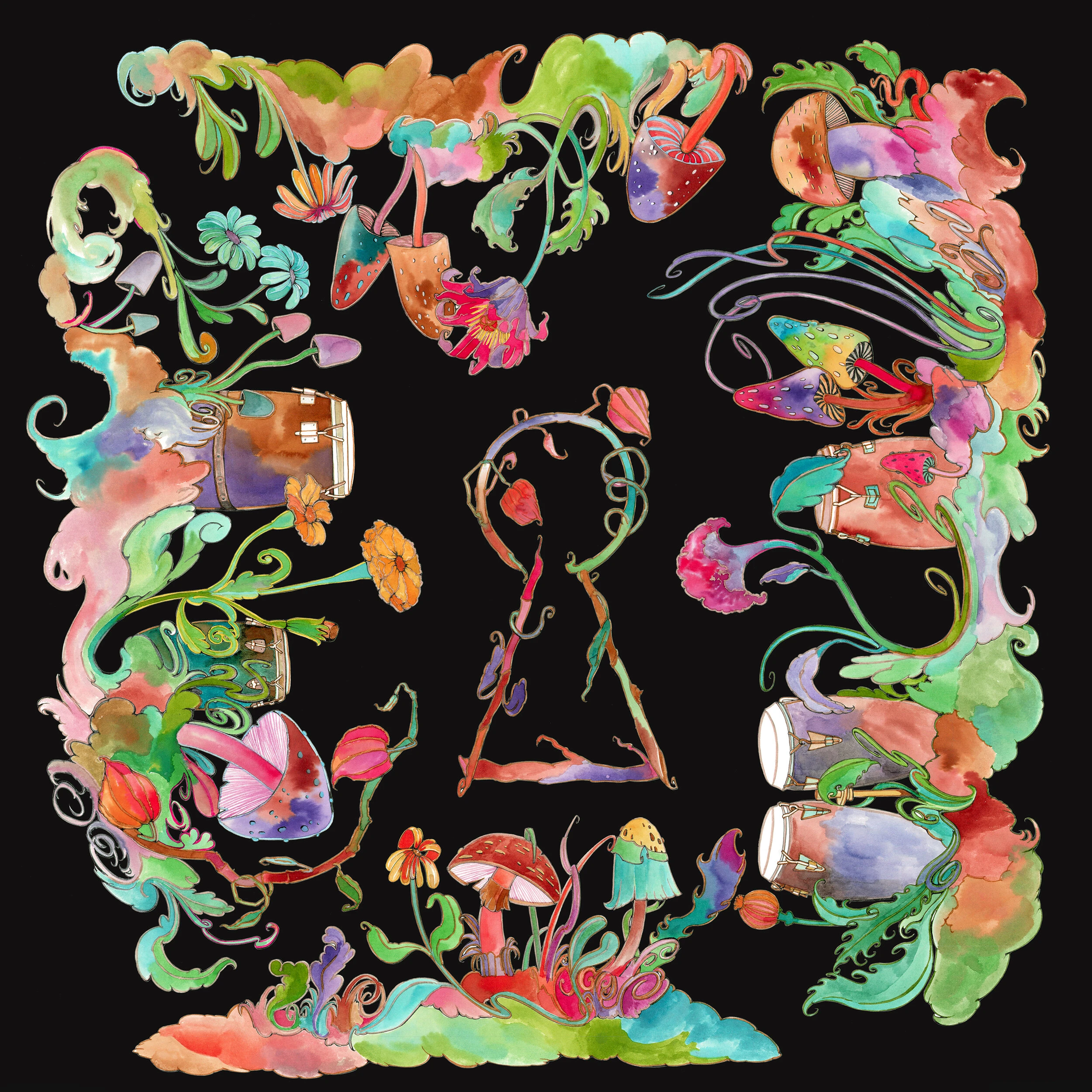
The album’s early singles, including “There’s Enough,” “Perdón,” and “Twice,” helped set the stage for the June 18, 2021 release. They offer a useful entry point into the record’s larger logic, which is less about a single hit moment than about sustained atmosphere and momentum. Once the full LP opens up, the emphasis shifts from individual hooks to the collective motion of the whole set.
Listen for these elements as the album unfolds:
• The interplay of percussion and keyboard textures, especially the Rhodes and organ that give the songs their warmth. • The way Yoruba chants add spiritual texture without interrupting the dance-floor pulse. • The hybrid rhythm section, which lets Afro-Caribbean swing meet the steadier drive of deep house. • The sense of community in the arrangements, where no instrument feels isolated from the others.
The album’s staying power comes from that combination of detail and openness. Conclave is rooted in very specific traditions, but it never feels museum-like. Instead, it captures the particular electricity of New York at its most communal, when the block party is not a throwback but a living form of urban life.
In that sense, Conclave is less a debut to be filed away than a scene to return to. It translates neighborhood identity, summer heat, and diaspora memory into a sound that feels at once ancestral and immediate, which is exactly what a New York block party has always done best.
Sources
- [1]theverge.com
- [2]loveinjection.nyc
- [3]ra.co
- [4]thevinylfactory.com
- [5]daily.bandcamp.com
- [6]toribiomusic.com
- [7]carhartt-wip.com.sg