Health
Confidential Report Urges Overhaul of Covid Vaccine Harm Tracking
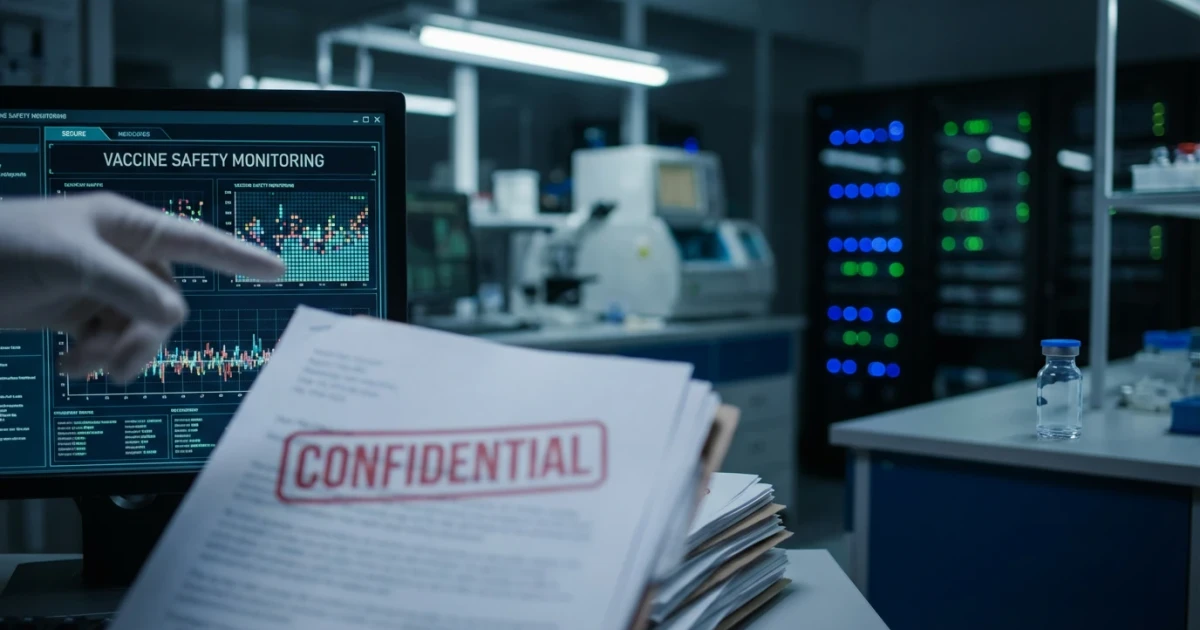
A confidential report reviewed by The New York Times recommends extensive reforms to the existing systems used to monitor and track adverse events following Covid-19 vaccination in the United States. The report's findings point to significant shortcomings in how vaccine-related harms are currently identified, assessed, and reported—prompting experts to call for a comprehensive overhaul of national surveillance methods.
Key Findings: Gaps in Current Reporting Systems
The report, which has not yet been made public, identifies critical weaknesses in the country’s primary vaccine safety monitoring infrastructure, including the Vaccine Adverse Event Reporting System (VAERS). According to the Times, the report’s authors found that VAERS, a longstanding passive surveillance system managed by the Centers for Disease Control and Prevention (CDC) and the Food and Drug Administration (FDA), has struggled to keep pace with the scale and complexity of Covid-19 vaccine rollout.
- Analysts cited delayed reporting, inconsistent data quality, and underreporting of less severe but clinically significant events.
- There are concerns about the adequacy of follow-up investigations and the challenges in capturing long-term or rare side effects.
These findings echo previous concerns raised by outside experts and are supported by independent reviews of OpenVAERS data, which have highlighted issues such as data entry errors and limited context for interpreting reported cases.
Recommendations for Systemic Reform
The confidential report outlines a series of proposed reforms aimed at improving the accuracy, speed, and transparency of vaccine safety monitoring. Among the most notable recommendations are:
- Implementing real-time data integration from electronic health records to streamline adverse event detection.
- Expanding active surveillance programs to complement the passive VAERS system and ensure more robust case capture.
- Enhancing public access to safety data and making reporting processes more user-friendly for both patients and healthcare providers.
- Investing in long-term studies to monitor delayed or rare vaccine side effects and address gaps in current knowledge.
Experts note that active surveillance—such as integration with hospital data and health insurance claims—has been widely used in other countries and could offer more timely insights compared to the current reliance on voluntary reporting.
Implications for Public Health and Policy
While the report does not call into question the overall safety profile of Covid-19 vaccines, it underscores the importance of rigorous and transparent monitoring to maintain public trust and inform future vaccination campaigns. The CDC, FDA, and international agencies like the European Medicines Agency (EMA) have repeatedly stated that serious adverse events are rare, but the report suggests that existing surveillance mechanisms may not be capturing the full picture.
Calls for reform are expected to shape upcoming policy debates, with lawmakers and health officials facing increased pressure to modernize safety infrastructure. As the U.S. prepares for potential future pandemics and evolving booster recommendations, robust and transparent safety monitoring will remain a central issue.
Next Steps and Broader Context
The confidential report’s recommendations align with ongoing efforts to strengthen vaccine safety science, including recent investments in data analytics and post-marketing surveillance. For readers interested in exploring the data and methodologies that underpin vaccine safety monitoring, resources such as the CDC’s VAERS overview and peer-reviewed systematic reviews of adverse events provide additional context and insight.
As calls for reform gain momentum, public health agencies and policymakers will need to balance the demands for greater transparency and data accuracy with the imperative to maintain high vaccination rates and public confidence. The ultimate outcome may set new standards for vaccine safety monitoring well beyond the Covid-19 pandemic.