Health
Congo Ebola cases surge to 782 as contact tracing falters
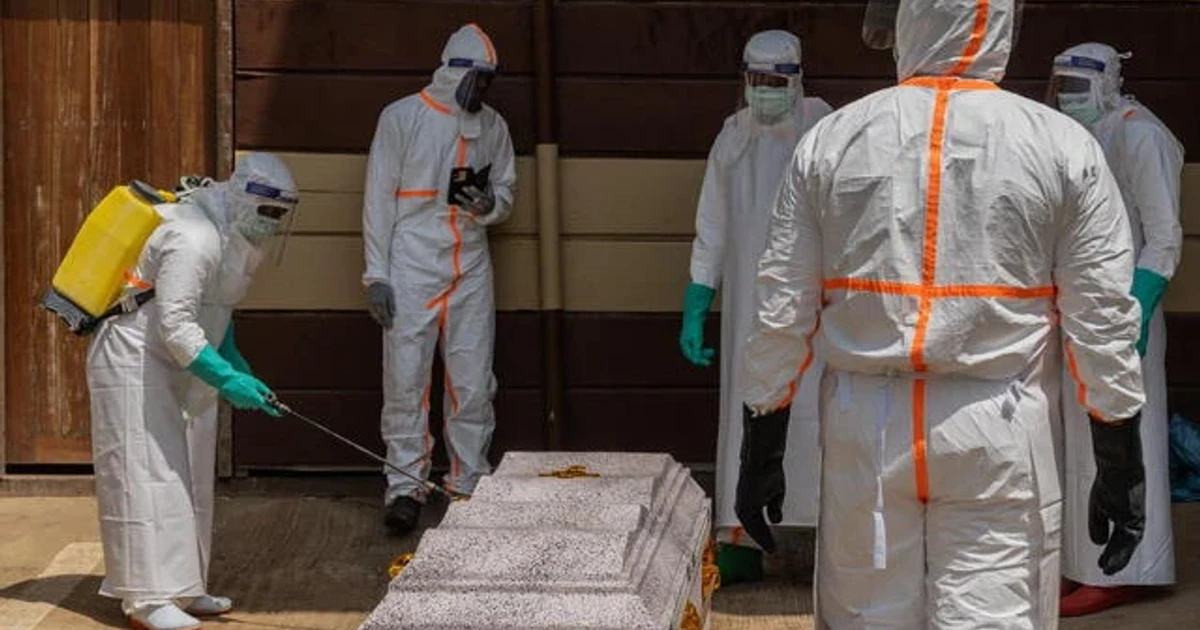
Congo’s Ebola outbreak is accelerating at the same moment its most basic containment tool is slipping. The health ministry logged 72 new cases in 24 hours, lifting the confirmed total to 782 and the confirmed death toll to 181, with 29 additional deaths reported as officials warned the virus could still be larger than the numbers show.
The surge reflects more than transmission alone. Health authorities said the rise partly came from more active surveillance, as community members reported suspected cases and response teams moved to investigate them. But that improved visibility has also exposed a dangerous gap: contact tracing has fallen to 56%, down sharply from the previous week, leaving too many exposed people outside the response net.
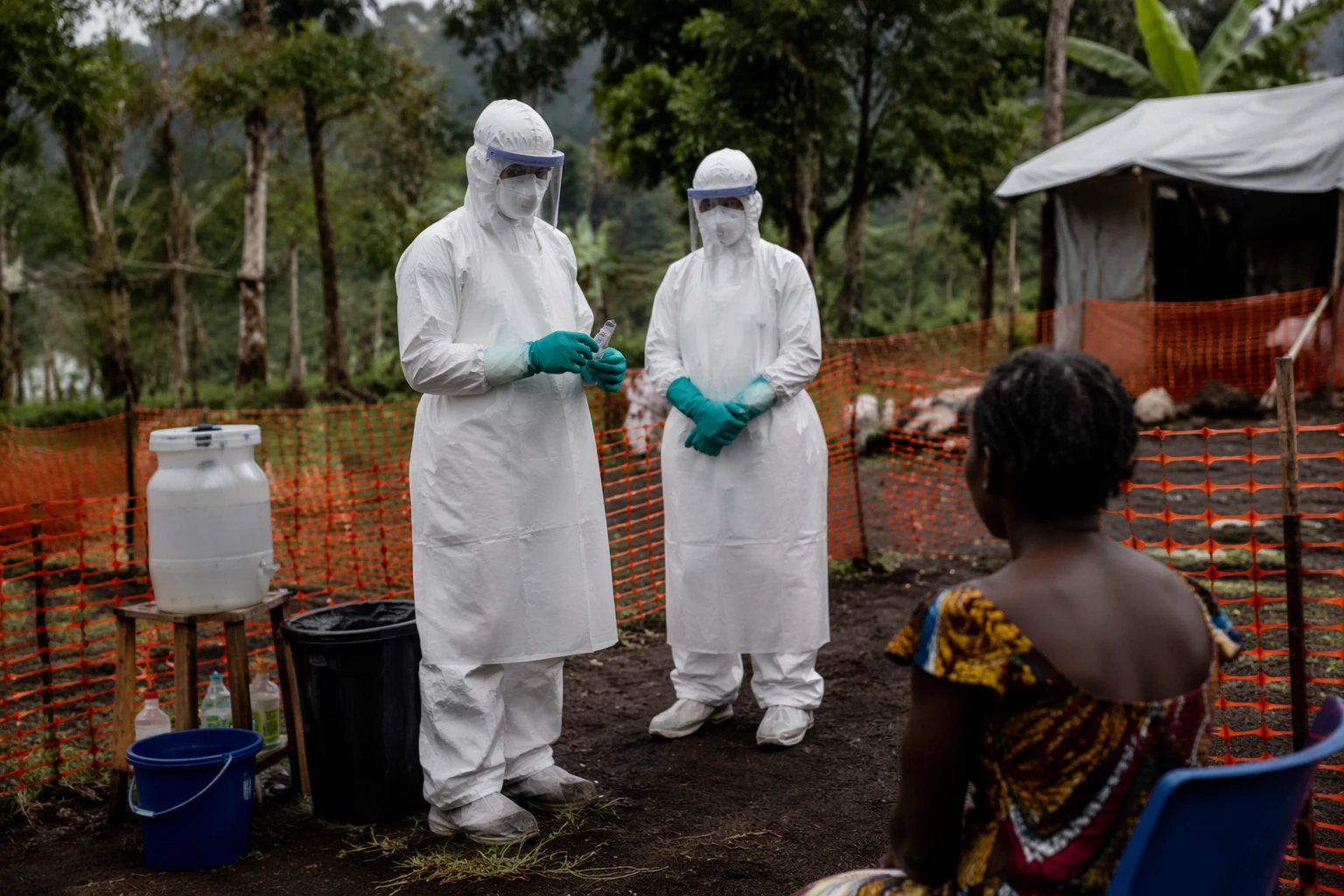
That drop matters because Bundibugyo virus does not have the vaccine-and-treatment playbook available for some other Ebola strains. The World Health Organization says there is no licensed vaccine or specific treatment for the disease, only supportive care. The outbreak was confirmed on May 15 after blood samples analyzed by the Institut national de recherche biomédicale tested positive, but WHO says the first known suspected case, a health worker, developed symptoms on April 24, suggesting the virus may have been circulating before detection.
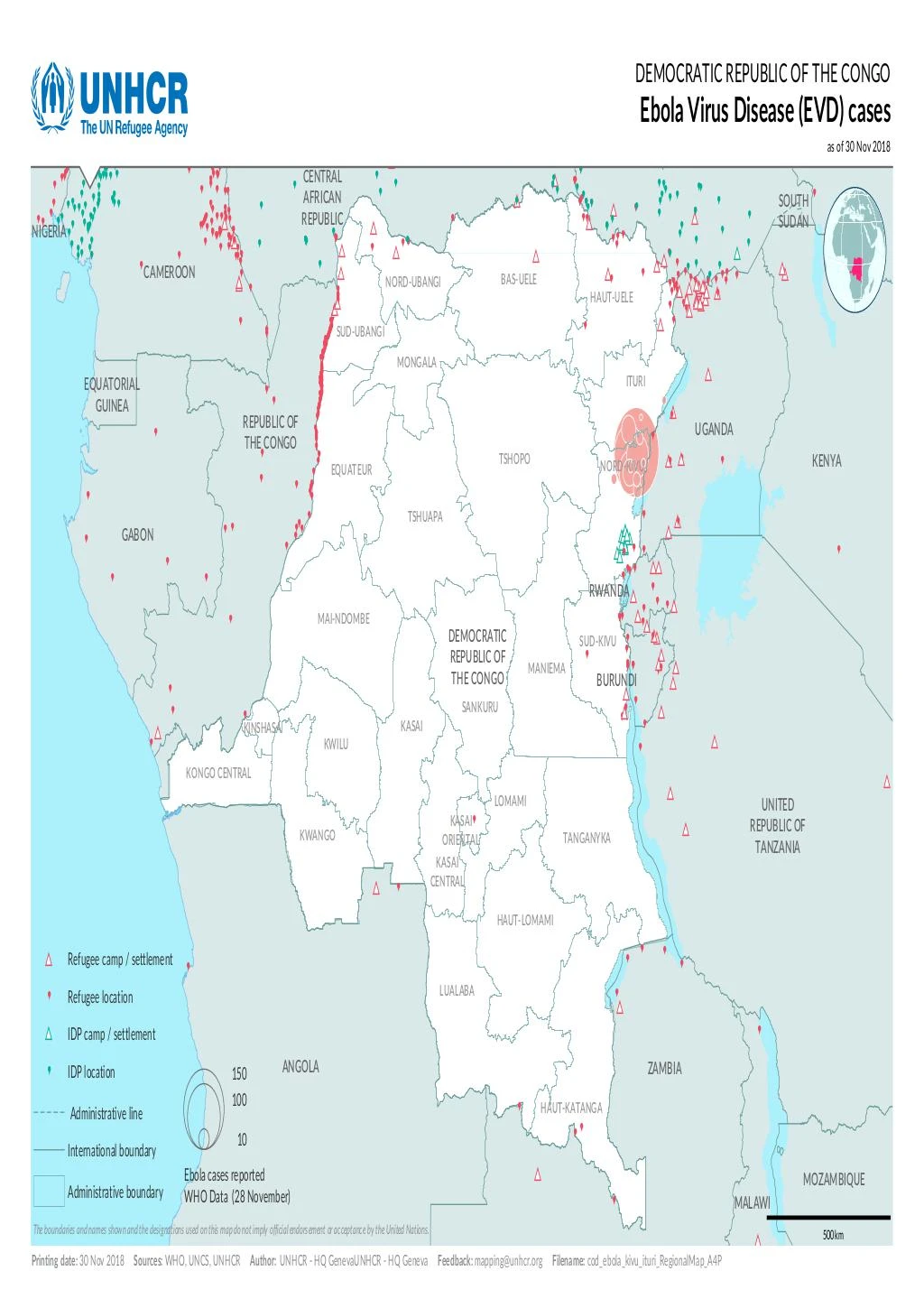
The outbreak is also unfolding in one of the hardest places to control a hemorrhagic fever. WHO has described a setting shaped by humanitarian crisis, insecurity, high population movement and cross-border trade flows, and it has said transmission has spread beyond Ituri into North Kivu and South Kivu. By June 6, WHO had counted 515 confirmed cases and 91 confirmed deaths in the DRC, with cases spread across 25 health zones, including Mongbwalu and Rwampara, and 16 confirmed infections among health and care workers.
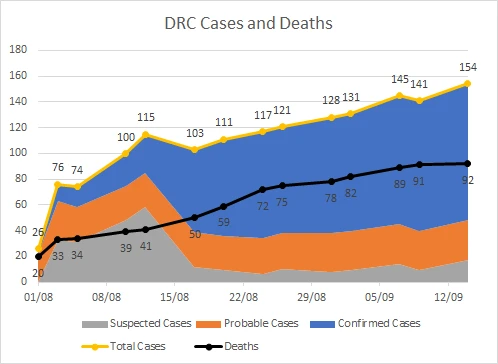
Those figures underscore the stakes for hospitals, clinics and border communities alike. A response that turns the outbreak around would show up in more than a single day’s case count: contact tracing would rebound, new infections would stop spreading into additional health zones, and health workers would no longer be showing up among the earliest victims. Instead, the caseload is still climbing, the death toll is still rising, and the emergency has already crossed borders, with Uganda confirming imported cases and a U.S. medical doctor who had cared for patients in Congo later testing positive and being treated in Germany.
Sources
- [1]usnews.com
- [2]who.int
- [3]afro.who.int
- [4]cdc.gov