World
Congo Ebola deaths rise to 101 as violence hampers response
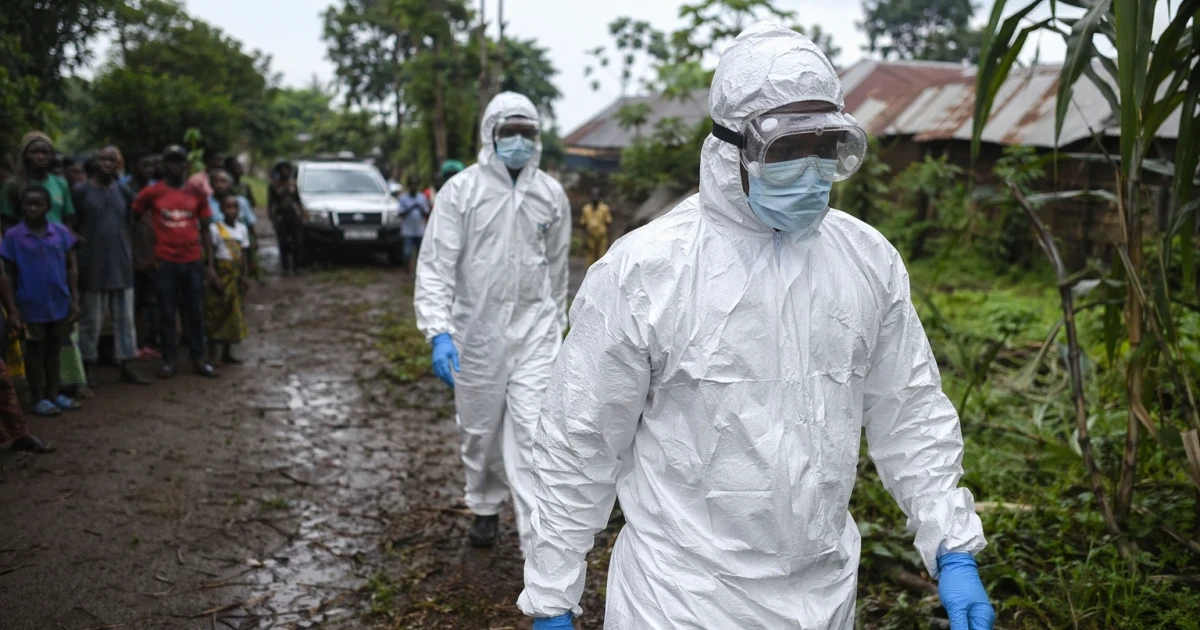
Armed groups are turning Congo’s latest Ebola outbreak into a security crisis, as confirmed deaths climbed to 101 and attacks on burial teams and health workers slowed efforts to contain the virus in eastern provinces. The danger is no longer only the disease itself, but the collapse of the basic measures needed to stop it.
The Democratic Republic of Congo said on June 8 that it recorded 35 new confirmed cases in the previous 24 hours, including 10 deaths, bringing the total to 550 confirmed cases and 101 confirmed deaths. The outbreak, caused by the Bundibugyo strain of Ebola, was announced on May 15, but officials later said it had been spreading undetected for weeks, leaving health authorities behind the curve as they tried to contain it.
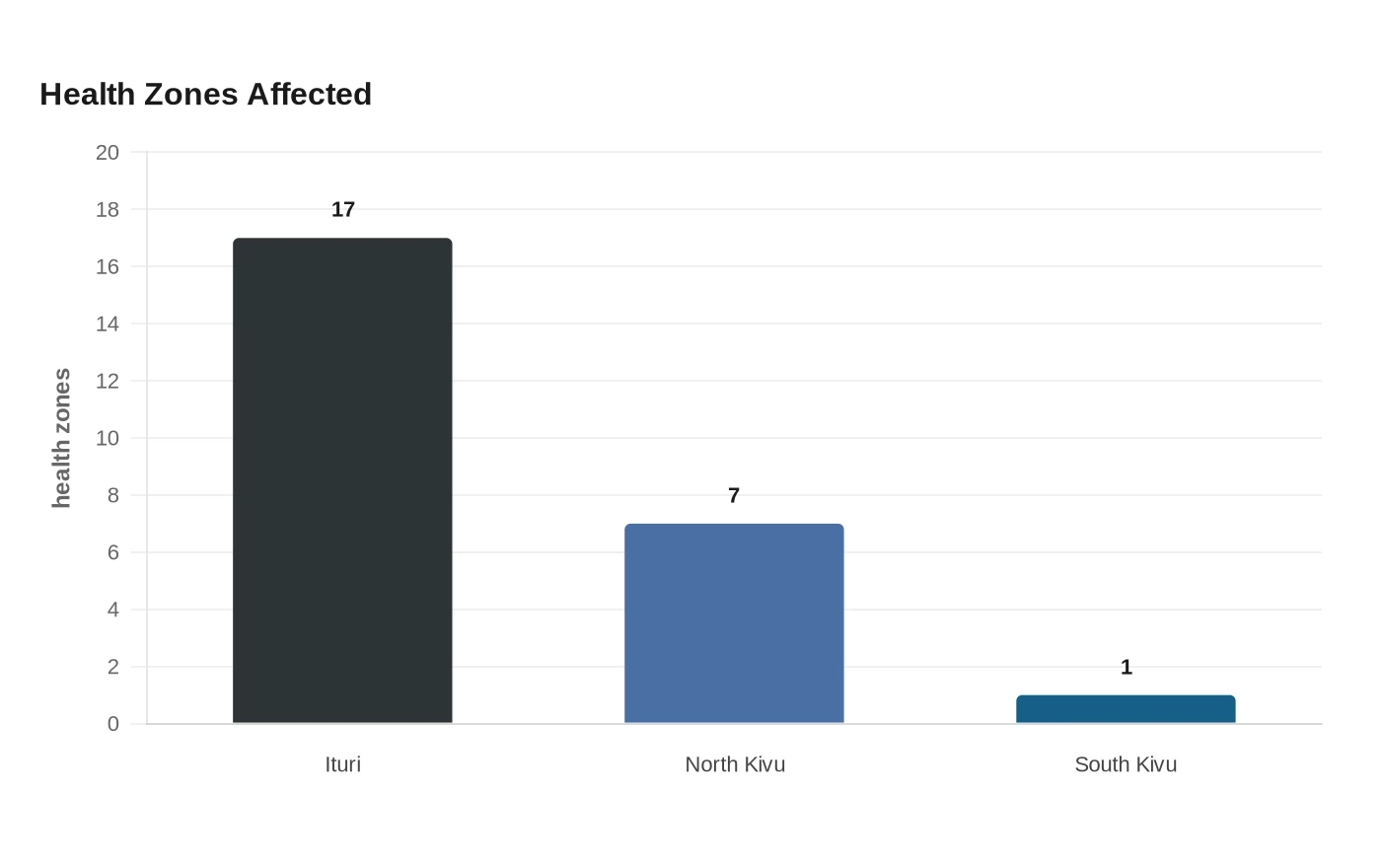
The outbreak is concentrated in Ituri Province, North Kivu Province and South Kivu Province, where insecurity, displacement and rough terrain have made contact tracing and isolation difficult. Congo said cases had been recorded in 17 health zones in Ituri, seven in North Kivu and one in South Kivu. The World Health Organization has said the outbreak is unfolding amid a humanitarian crisis, insecurity, and high population and trade movements, conditions that make community trust and rapid response essential.
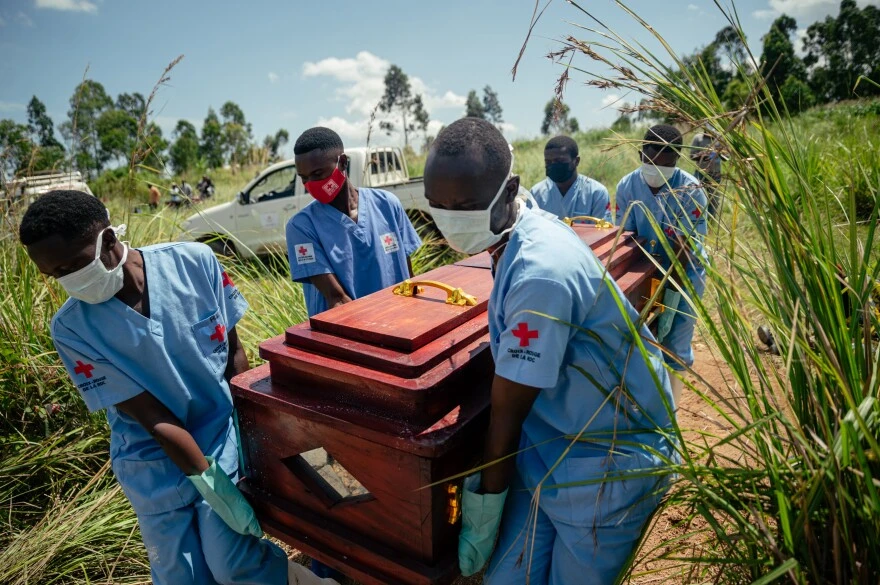
That response has been repeatedly disrupted. Burial teams and treatment centers have been attacked, and a source familiar with the government response said a burial team was targeted at Nyamurongo cemetery in Bunia on Sunday, leaving two people seriously injured and two vehicles damaged. Separate reporting said an earlier attack in South Kivu forced responders to abandon a coffin, raising the risk of further transmission. The International Red Cross and Red Crescent Movement later said Red Cross volunteers carrying out a safe and dignified burial operation in Bunia on June 1 were attacked and injured.
The violence has placed frontline health workers in direct danger. United Nations News said four nurses recovered and were discharged on June 1, bringing total recoveries to five, but 16 health workers had contracted Ebola in Congo during this outbreak. The refurbished Ebola Treatment Centre in Bunia had 24 beds, a total capacity of 60 beds, and an annexe with up to 42 beds, yet even those resources are under strain when access is blocked and responders are forced to pull back.
WHO declared the Bundibugyo outbreak a Public Health Emergency of International Concern on May 17 and convened its first Emergency Committee two days later. The agency says there is no licensed vaccine or specific treatment for Bundibugyo virus disease, making safe burials, contact tracing, vaccination of exposed communities and isolation of patients even more important. Africa CDC has called it Congo’s 17th Ebola outbreak since 1976. The central question now is whether the authorities and their security partners can secure the response quickly enough to prevent the violence from widening the epidemic beyond eastern Congo.
Sources
- [1]usnews.com
- [2]who.int
- [3]afro.who.int
- [4]news.un.org
- [5]icrc.org