Health
Congo Ebola outbreak may last a year, Red Cross warns
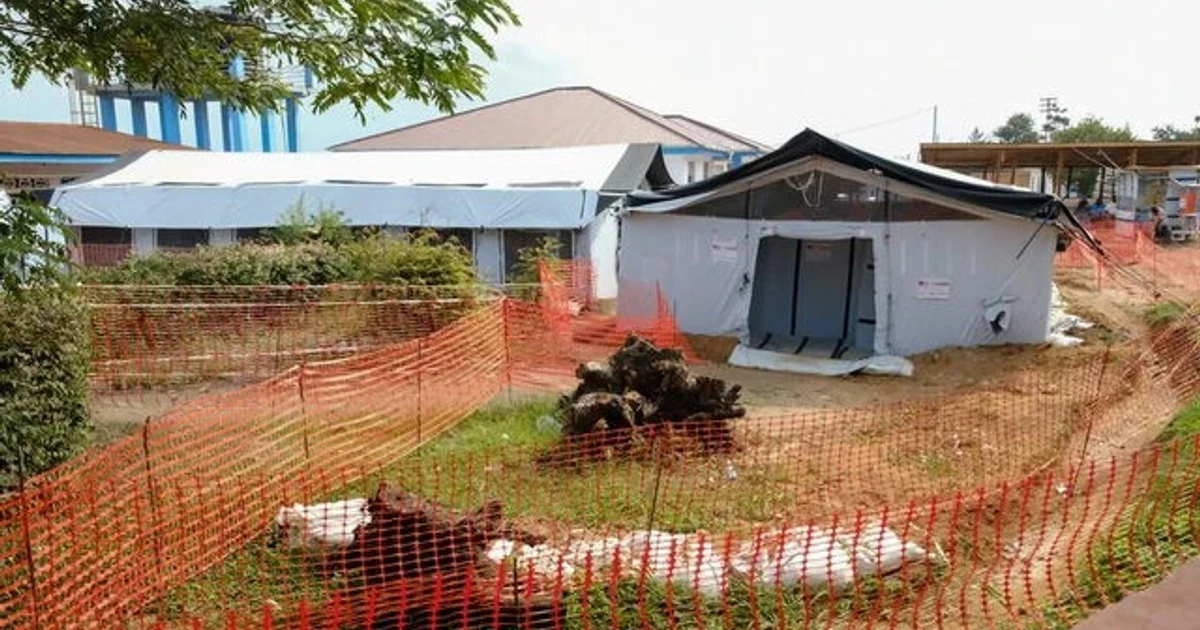
Health workers in eastern Democratic Republic of the Congo were still fighting an Ebola emergency that had spread across three provinces, and the Red Cross warned that the outbreak had not yet peaked. Bruno Michon, operations manager for the International Federation of Red Cross and Red Crescent Societies, said the crisis could take as long as a year to bring under control.
Government data cited in the account put the caseload at more than 800 infections, including 192 deaths, from the rare Bundibugyo strain. The strain carries an added burden for responders because there is no proven treatment or vaccine, leaving containment to rely on speed, isolation and public cooperation.
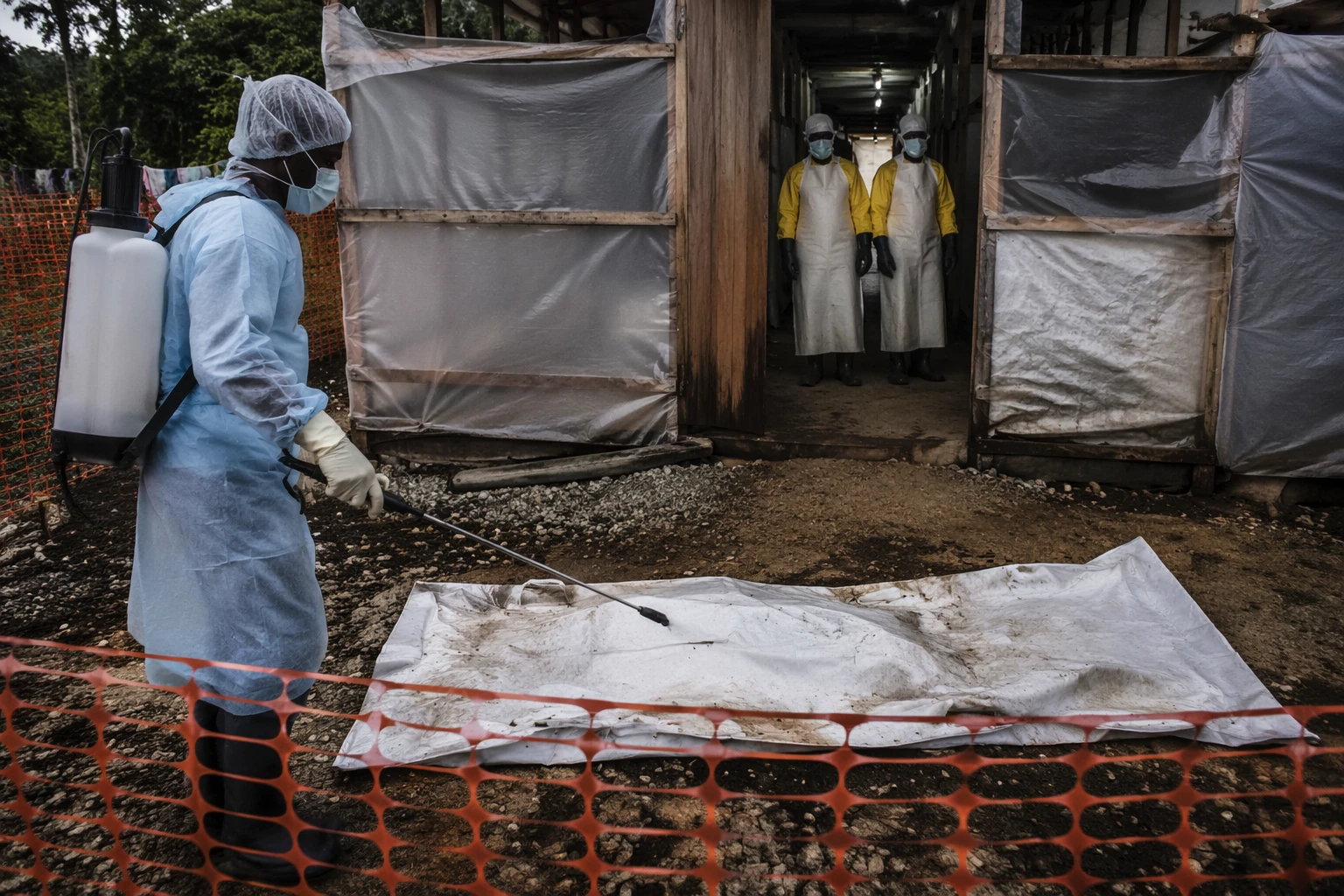
That cooperation was proving difficult. The response had been hindered by a shortage of treatment centers and by resistance in some communities to strict hygiene and burial measures, two pillars of Ebola control in a disease that spreads through bodily fluids and can remain dangerous after death. Red Cross teams working on community engagement and safe, dignified burials had faced verbal abuse, threats and attacks in recent days.
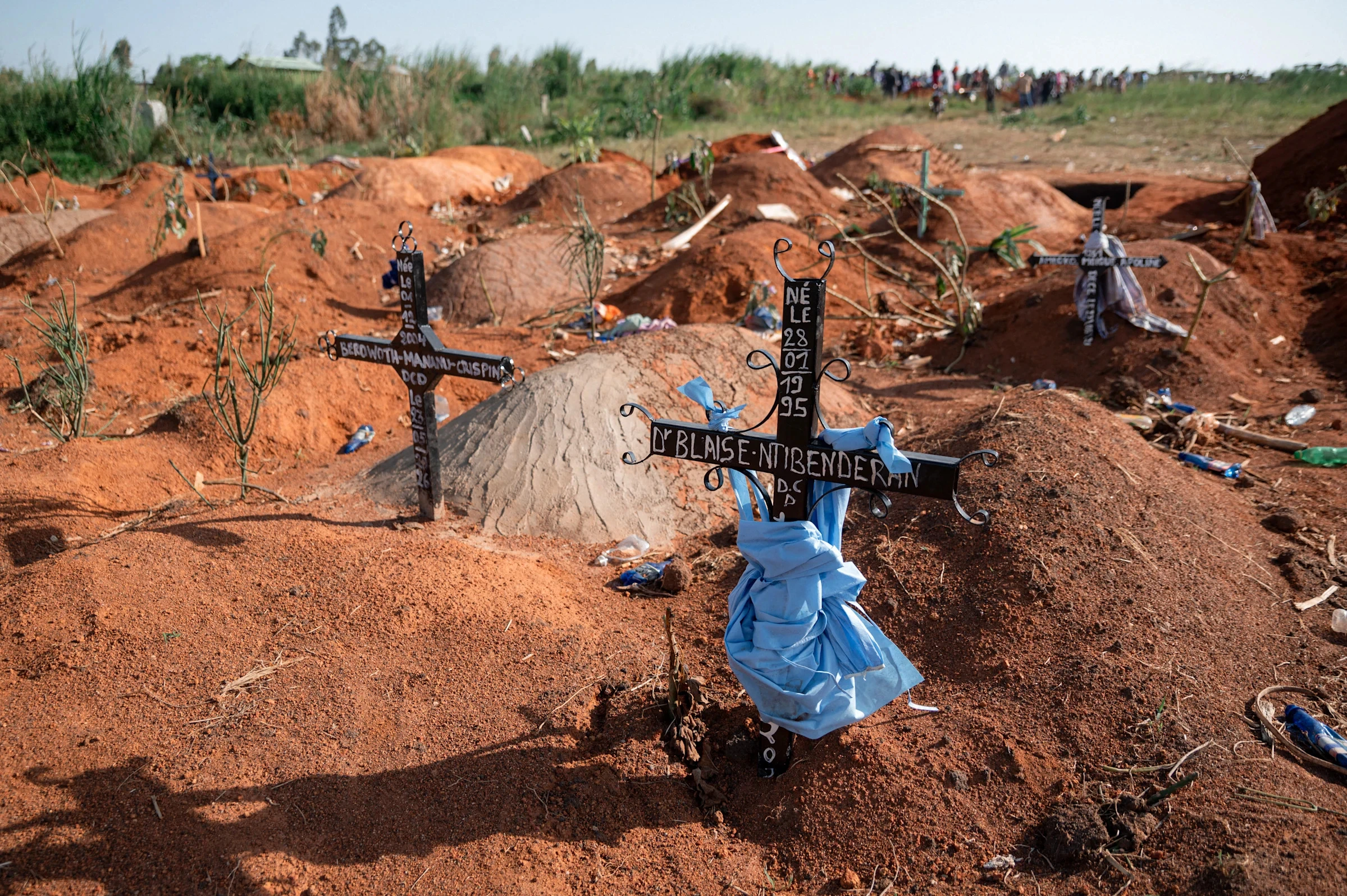
Michon said the peak was probably still ahead rather than behind, a warning that the outbreak was still unfolding rather than tapering off. That assessment matters because a prolonged epidemic in a conflict-hit region can strain already limited health services, complicate contact tracing and leave local authorities unable to get ahead of transmission before it crosses into new areas.

A year-long emergency would also test the patience of donors and the staying power of aid operations. Keeping treatment centers supplied, burial teams protected and community outreach active for months at a time requires the kind of sustained funding and local access that are hardest to maintain when violence, mistrust and fatigue are already wearing down the response.
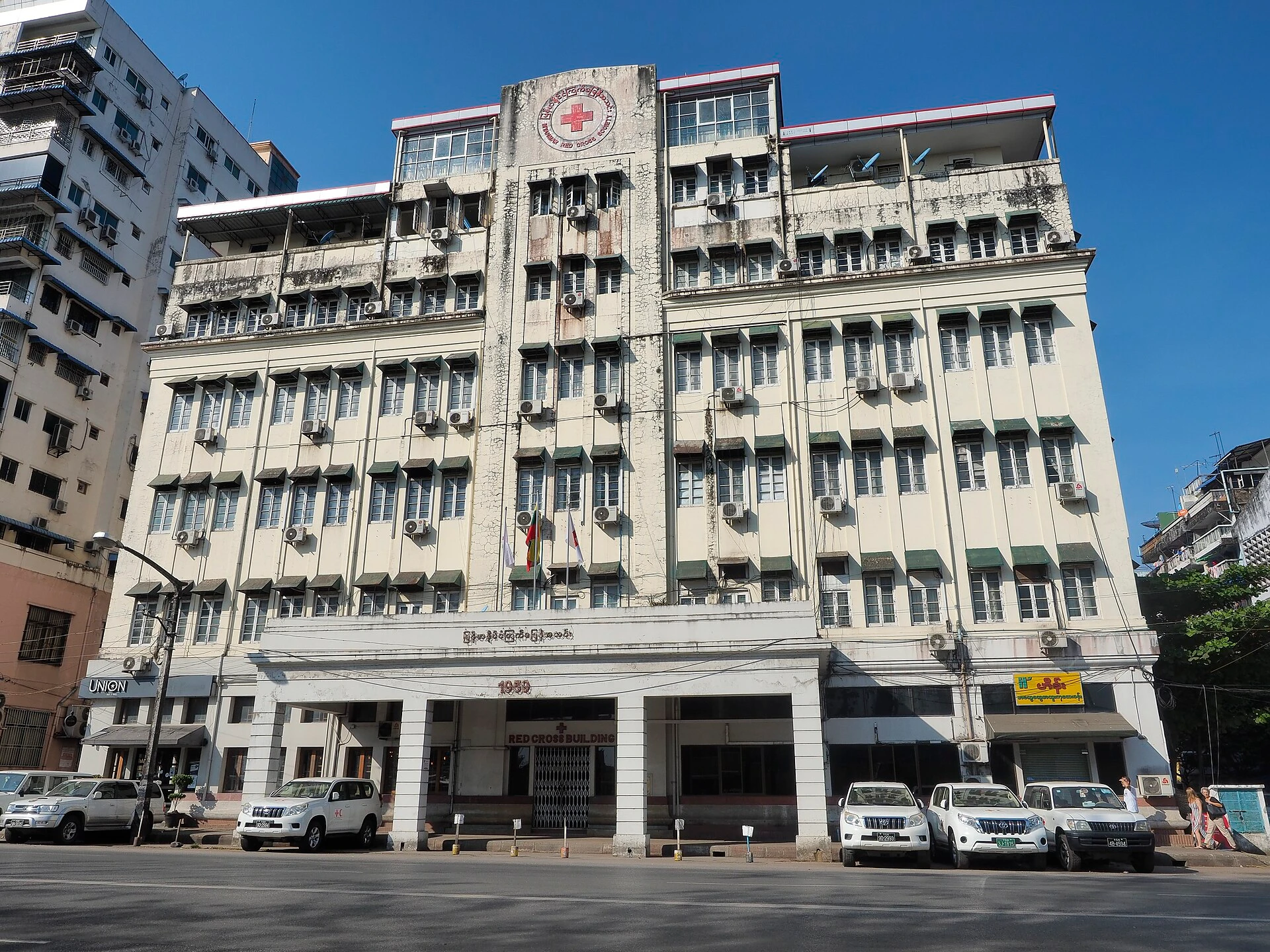
The implications extend beyond Congo’s borders. Ebola control depends not only on medicine, but on trust, rapid isolation and burial practices that reduce transmission. If those systems keep faltering in eastern Congo, the outbreak could keep moving through vulnerable communities long enough to deepen fear far from the epicenter and expose how fragile containment remains in regions where health systems are already under pressure.
Sources
- [1]usnews.com