Health
Congo Ebola outbreak tops 2,000 cases, 754 deaths

Ebola cases in the Democratic Republic of the Congo have reached 2,011, with 754 deaths, underscoring how quickly the virus can spread when health teams are forced to work through conflict, fear and broken local trust. Government data show the outbreak remains concentrated in eastern Congo, where response crews have faced insecurity, community resistance and poor infection-prevention practices in some health facilities.
The World Health Organization has said the country has now had 11 Ebola outbreaks since the first recognized case in 1976, a record that reflects both the virus’s persistence and the fragility of containment efforts. WHO has also described the 2018-2020 outbreak in North Kivu, Ituri and South Kivu as Congo’s longest Ebola outbreak and the world’s second largest on record.
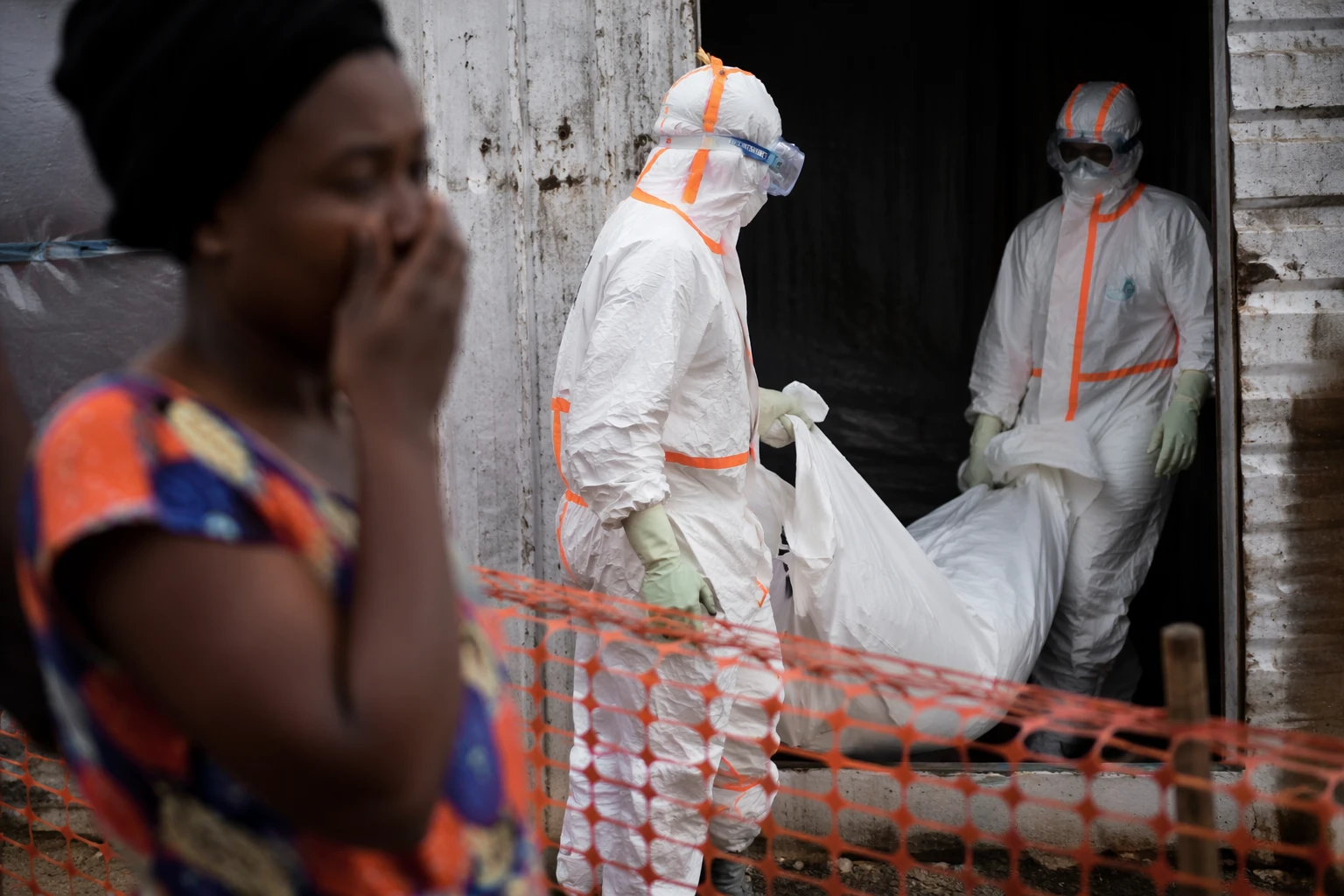
That earlier crisis showed how fast the numbers can surge once transmission takes hold. By 16 April 2019, WHO had recorded 1,290 confirmed and probable cases and 833 deaths in the DRC, along with 89 affected health workers and 379 patients discharged. The epidemic was declared a Public Health Emergency of International Concern on 17 July 2019, after the first confirmed case in Goma, a city of almost two million people on the border with Rwanda and a key gateway for travel through the region.
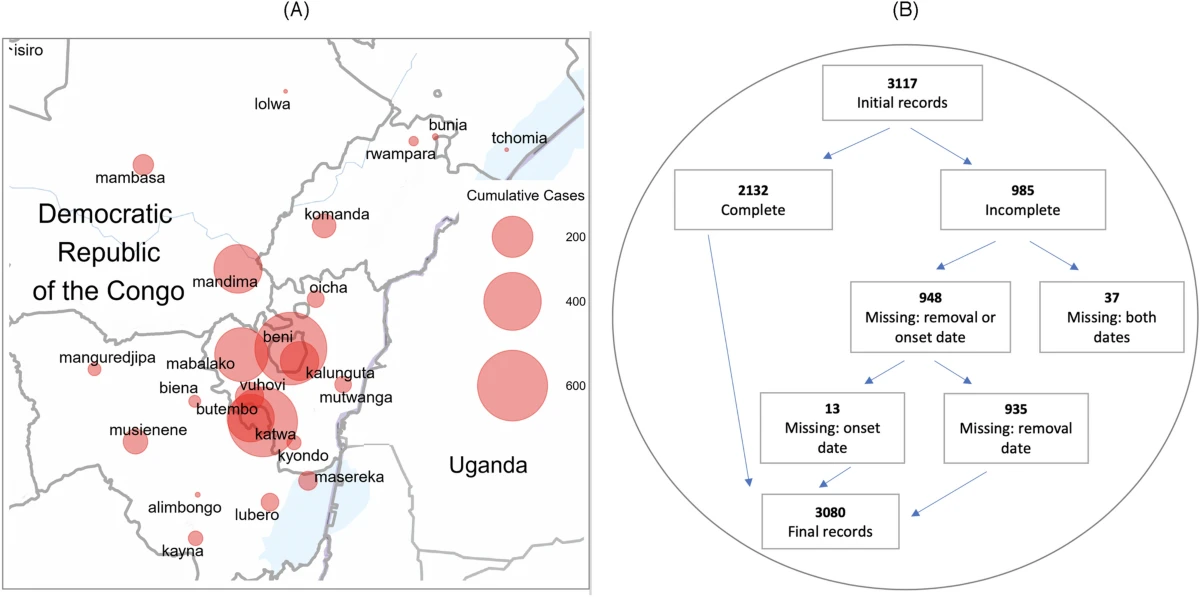
WHO said the outbreak in 2018 ended on 24 July 2018 after 42 days, or two incubation periods, with no confirmed cases. But the next major flareup lasted far longer, and WHO declared the 2018-2020 outbreak over on 25 June 2020. By that point, the epidemic had taken root in an active conflict zone, making surveillance, isolation and vaccination operations far harder to sustain.
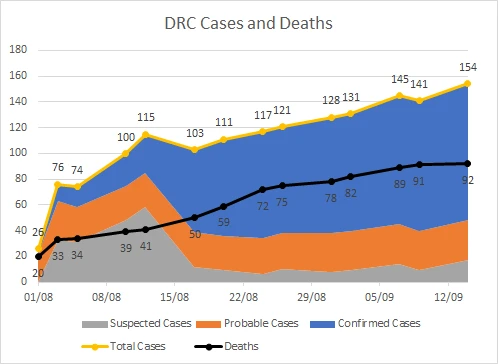
The current toll points to the same warning seen in earlier waves: Ebola is hardest to stop when clinics are insecure, communities distrust responders and contact tracing cannot keep pace with movement across borders and through crowded transit corridors. For health officials worldwide, Congo’s numbers are a reminder that epidemic preparedness is measured not only by vaccine stockpiles and emergency declarations, but by whether health systems can function in places where people are afraid to seek care and workers cannot safely reach them.
Sources
- [1]abcnews.com
- [2]who.int