World
Congo Senate backs constitutional bill that could extend Tshisekedi rule
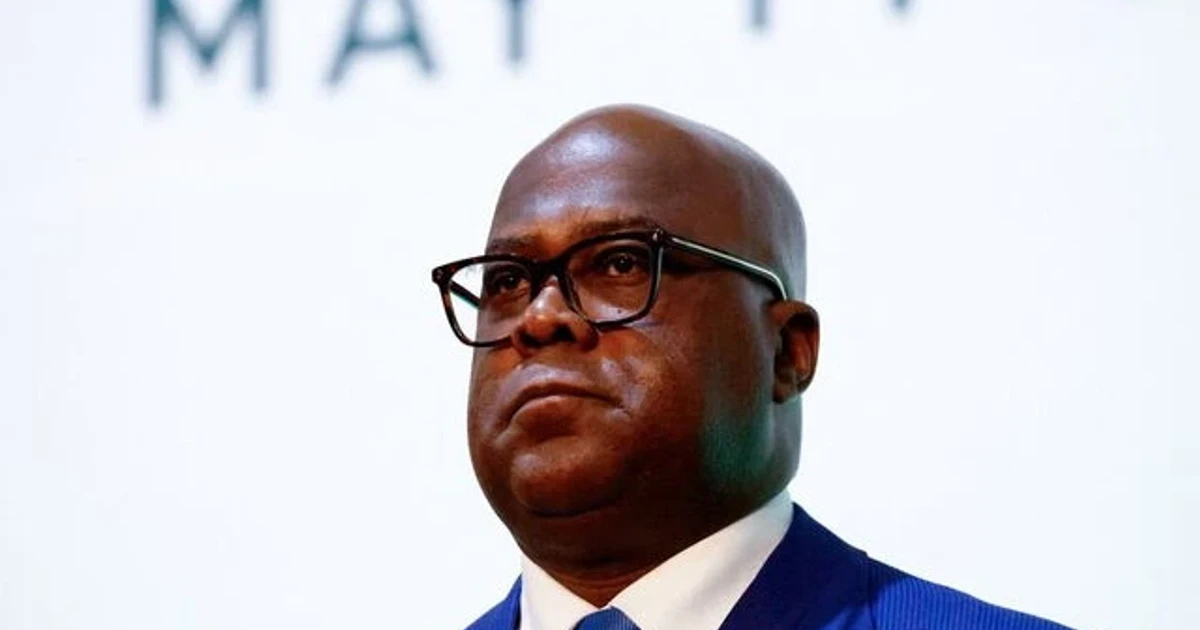
The Democratic Republic of Congo moved a step closer to a constitutional showdown as its Senate approved a bill that could open the door for Felix Tshisekedi to seek another term. The vote was unanimous among those present, with 89 senators backing the measure and 20 not participating, and it deepened fears that the country’s hard-won constitutional limits were being tested by executive power.
The bill still needs Tshisekedi’s signature before any referendum can go ahead, but its political meaning is already clear. If a new constitution is approved, it could reset the rules under which Tshisekedi serves, allowing him to pursue what would effectively be a third term as if it were a first. That possibility has turned a procedural vote into a national test of whether Congo’s institutions can still restrain the presidency.
The fight cuts into the core of the 2006 constitutional settlement. Congo’s current charter was adopted in February 2006 after a December 2005 referendum, and Article 220 is widely understood to protect key provisions, including presidential term limits, from revision. Opponents say any attempt to rewrite that safeguard would amount to bypassing a hard constitutional barrier, not simply updating the text.
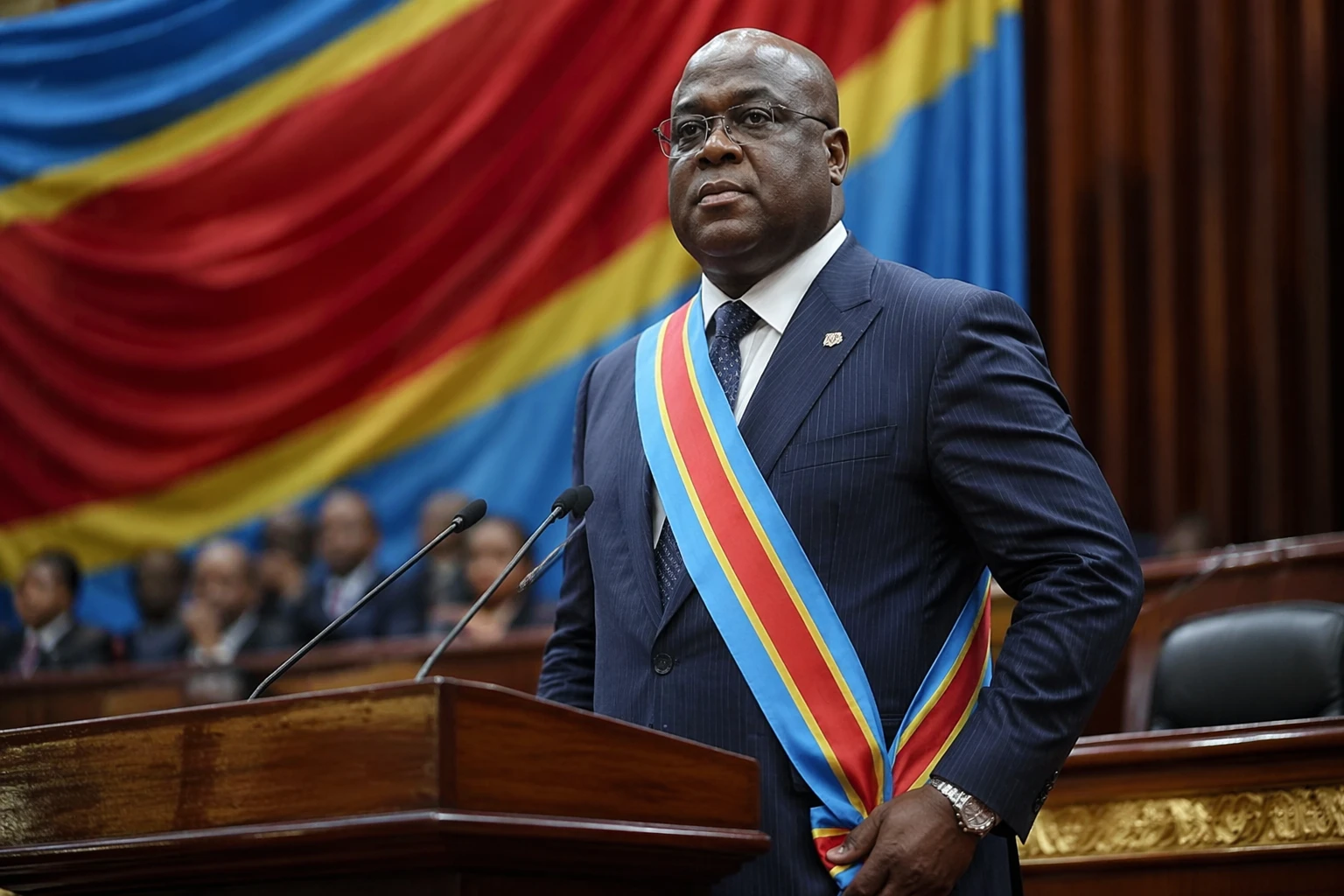
The National Assembly had already passed the referendum bill before the Senate acted, making the upper chamber’s approval the latest institutional step in a fast-moving push. Tshisekedi’s allies argue that constitutional reform could give voters a greater say over the country’s political future. His critics see a path around the two-term limit that would benefit the incumbent most of all.
Street pressure has risen alongside the parliamentary battle. On June 12, 2026, the opposition coalition C64 organized a protest in Kinshasa against the proposed change, and police fired tear gas after clashes with pro-government activists. Martin Fayulu was injured in the confrontation, and Prince Epenge suffered minor injuries, underscoring how quickly the dispute has spilled beyond the legislature.
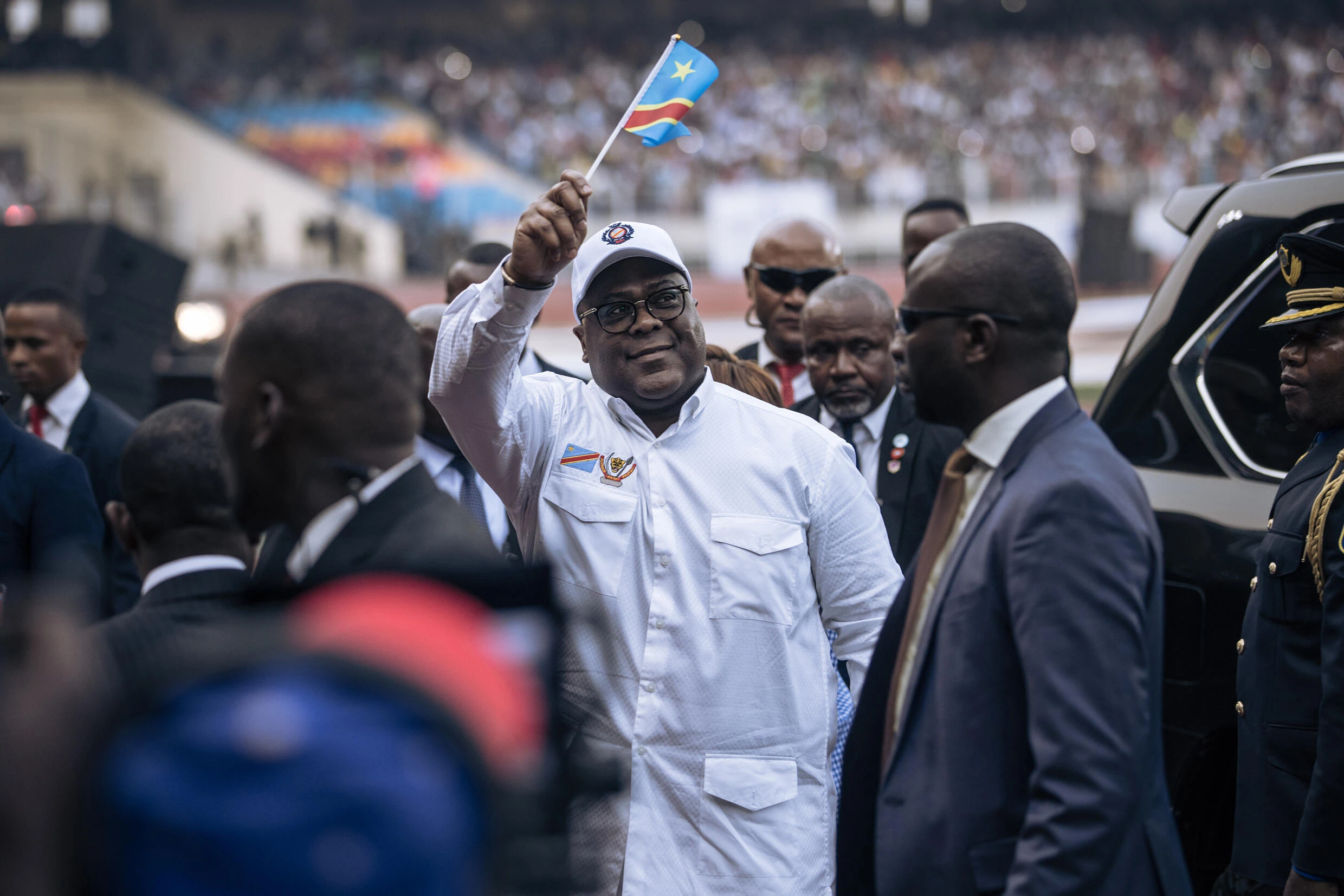
The stakes are amplified by Congo’s wider instability. Eastern Congo remains insecure, an Ebola outbreak has strained public attention and state capacity, and distrust in institutions is already deep. Tshisekedi had raised the idea of constitutional change in a speech in Kisangani on October 23, 2024, showing this battle had been building for months. With the 2028 elections looming, the bill is no longer just about one presidency. It is about whether Congo’s constitutional guardrails still hold when power tries to bend them.
Sources
- [1]usnews.com
- [2]aljazeera.com
- [3]apnews.com
- [4]hrw.org
- [5]constitutionnet.org
- [6]rfi.fr