Health
Congolese burial teams battle mistrust in Ebola outbreak zone
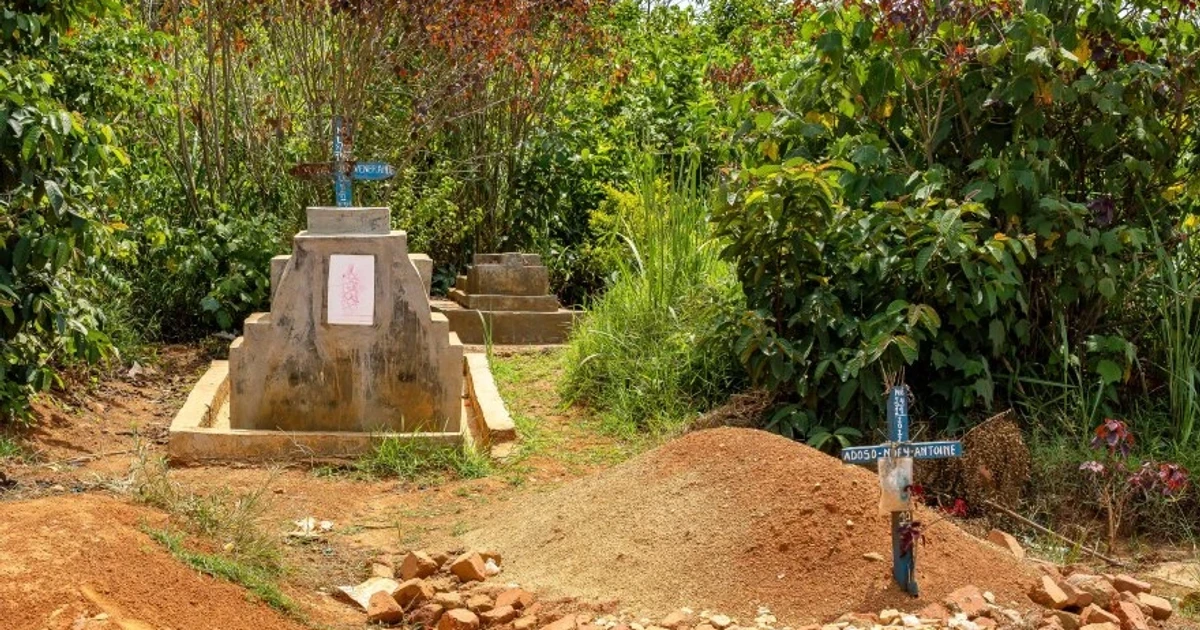
The workers sent to bury Ebola victims safely in eastern Democratic Republic of the Congo became targets themselves, even as they helped contain what the World Health Organization called the world’s second largest Ebola outbreak on record. In North Kivu and Ituri, the response unfolded in an active conflict zone, where fear, rumor and violence repeatedly collided with the effort to stop transmission. The outbreak was later declared over on 25 June 2020, after nearly two years of disruption and resistance.
In Katwa and Butembo, burial teams made more headway than in many other places. WHO said 87% of families with a death accepted that burial teams perform the burial in March 2019, a sign that trust could be built even in the middle of the crisis. But the same period also showed how fragile that trust remained. WHO said incidents tied to reluctance toward the Ebola response peaked in June 2019 at 371, while a community engagement survey found only about 36% of respondents trusted Ebola responders, around one-third denied Ebola existed, and another 30% did not know about the disease.
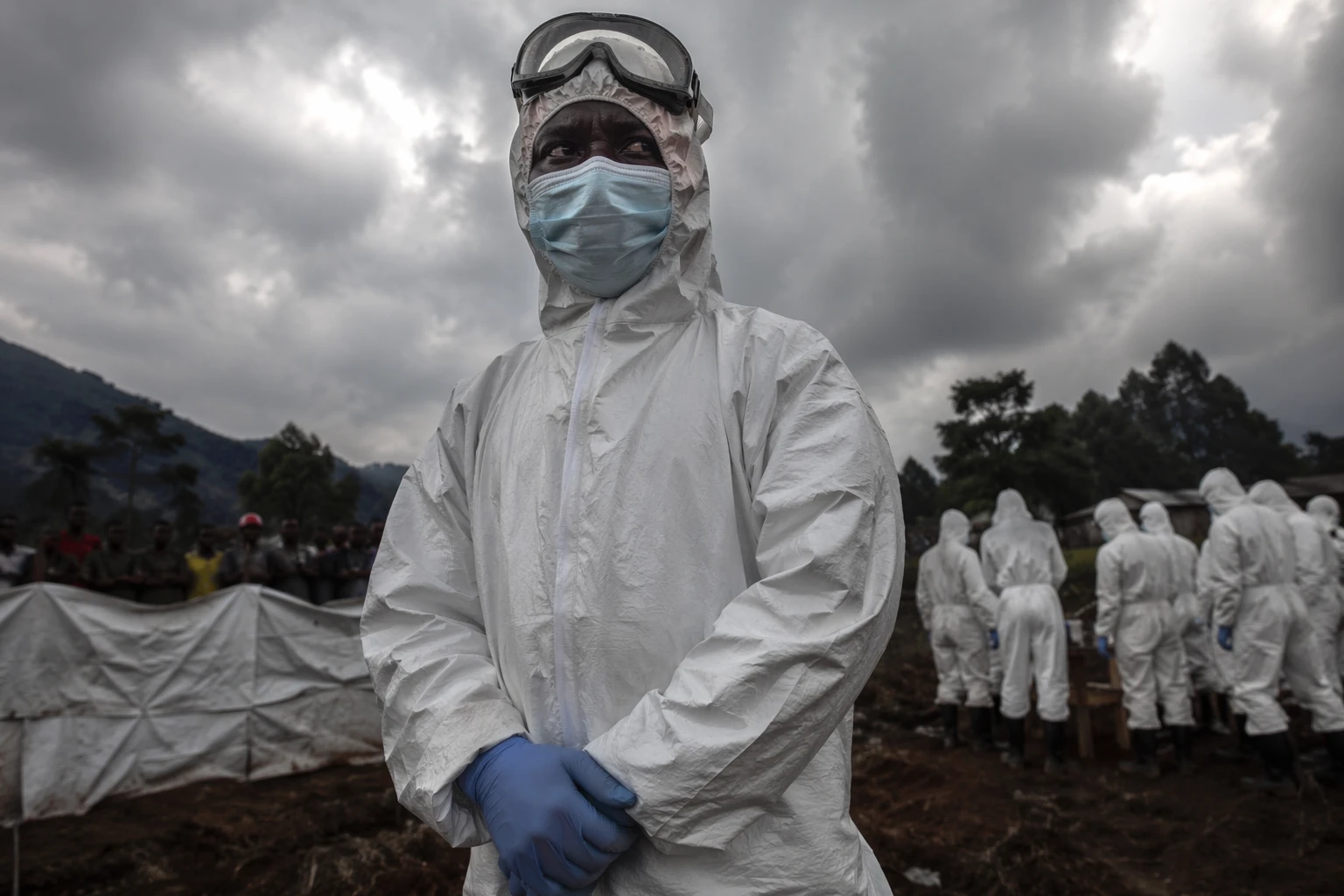
That mistrust carried direct danger. On 3 May 2019 in Katwa, a Safe and Dignified Burial team was violently attacked after completing a burial for a deceased Ebola case. UNICEF documented the same assault after a confirmed case burial. The attack captured the central contradiction of the response: the people carrying out one of the most essential control measures were also confronting anger from communities that feared the disease, distrusted authorities or rejected the response altogether.
The burial operation depended on rapid alert systems as much as on protective gear. WHO reported 13,882 safe and dignified burial alerts by 29 September 2019, and 11,381 of them, or 82%, were successfully answered by Red Cross, Civil Protection and community harm-reduction burial teams. FHI 360 said its burial teams in Ariwara, Bunia, Butembo-Katwa and Komanda completed 418 safe and dignified burials, while also facing rumors that included an allegation in Nyakasanza that burial teams were harvesting organs from corpses for illegal trade.
WHO’s burial guidance makes clear how wide the responsibility runs: safe and dignified burial measures apply to anyone involved in burying suspected or confirmed Ebola or Marburg patients. In eastern Congo, that work proved as dependent on local trust as on medical procedure, and just as vulnerable to breakdown when fear took hold.
Sources
- [1]nytimes.com
- [2]who.int
- [3]afro.who.int
- [4]reliefweb.int
- [5]fhi360.org