Politics
Congress and BJP Trade Blame Over Haryana Crop Procurement
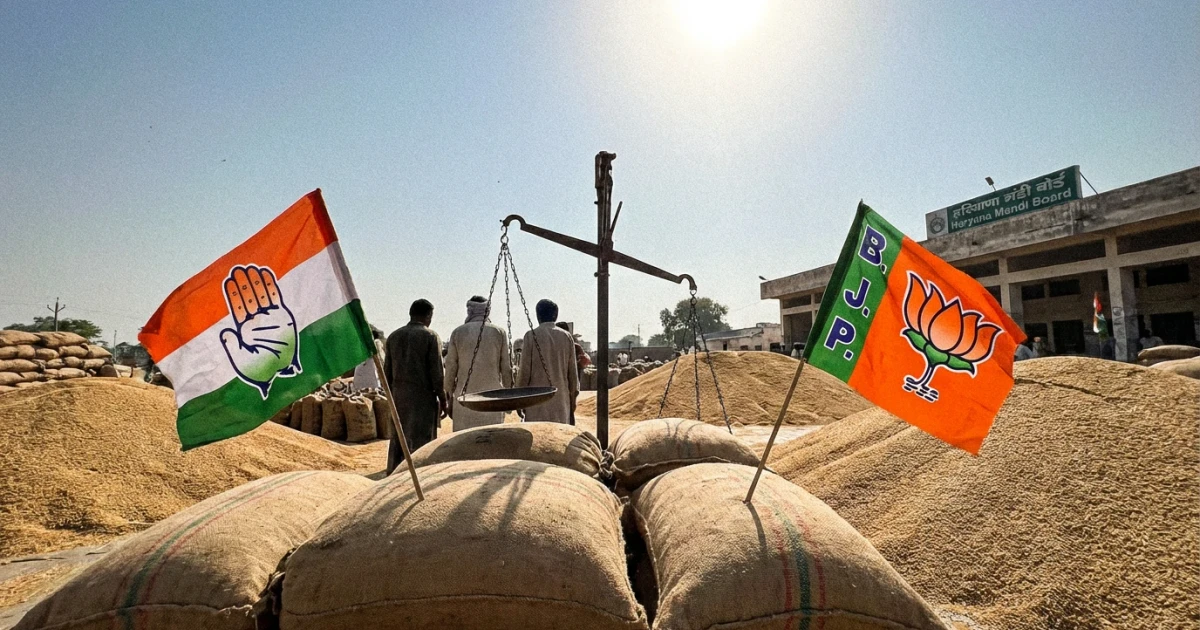
Haryana’s ongoing wheat and paddy procurement season has become the latest flashpoint between the Congress and BJP, with both parties engaged in a public war of words over the effectiveness and fairness of the procurement process. The dispute underscores the high political stakes around agriculture in one of India’s most productive states, where government procurement is a lifeline for millions of farmers.
The Heart of the Dispute
The controversy centers on allegations from the Congress that the BJP-led state government has failed to ensure timely and fair procurement of wheat and paddy at the Minimum Support Price (MSP). According to Congress leaders, delays at procurement centers, payment bottlenecks, and selective procurement have left many farmers waiting for days to sell their crops, with some forced to accept lower prices outside official channels.
The BJP has rejected these allegations, touting their administration’s record of record procurement volumes and improved digital payment systems. They argue that any delays have been minor and are being swiftly addressed through state machinery.
Procurement Data and Ground Reality
- Haryana is among the leading states in government crop procurement, especially for wheat and paddy.
- According to the Agricultural Marketing Information Network, the state procured over 8 million metric tonnes of wheat and 5.5 million metric tonnes of paddy in the last season.
- The Haryana State Procurement Portal reports steady arrivals at mandis, but also highlights occasional backlogs, particularly after heavy rains or market disruptions.
- Data from the Food Corporation of India shows Haryana consistently among the top states in both procurement volume and timely payments, but also notes instances of farmer grievances related to delayed receipts and logistical challenges.
Political Accusations and Farmer Sentiment
Opposition Congress leaders claim that procurement delays are not isolated incidents but part of a wider pattern of neglect. They point to specific districts where procurement centers reportedly ran out of gunny bags or suffered from inadequate staffing, forcing farmers to wait for hours or return home with unsold grain. The Congress has demanded greater transparency and accountability from the state government, as well as a streamlined mechanism for payments.
The BJP, meanwhile, maintains that the system is robust and that opposition criticism is politically motivated. They argue that reforms have allowed for advance estimates of crop production and improved planning, minimizing disruptions even during peak arrival periods.
What the Numbers Say
- Recent procurement statistics confirm that payments for crops have largely been made within the mandated 72-hour window, though isolated delays are reported during peak harvest surges.
- Official records indicate that over 95% of registered farmers in Haryana received MSP for their wheat and paddy in the last procurement cycle.
- The National Food Security Mission notes that Haryana’s procurement performance is strong relative to other states, but highlights the need for ongoing improvements in logistics and digital recordkeeping.
Looking Ahead
As the procurement season continues, the political back-and-forth is unlikely to abate. Both parties are keenly aware of the electoral significance of Haryana’s rural vote. The BJP will be judged on its ability to sustain procurement efficiency and address farmer complaints, while the Congress is expected to keep pressure on the government, amplifying any missteps.
For Haryana’s farmers, the hope is for a system that is as responsive and reliable as promised in official statements. Continued scrutiny and transparent data reporting will be key to building trust—whether from government portals, independent researchers, or the farmers themselves.