Politics
Congress and UML Resume Rotational Politics in Provinces
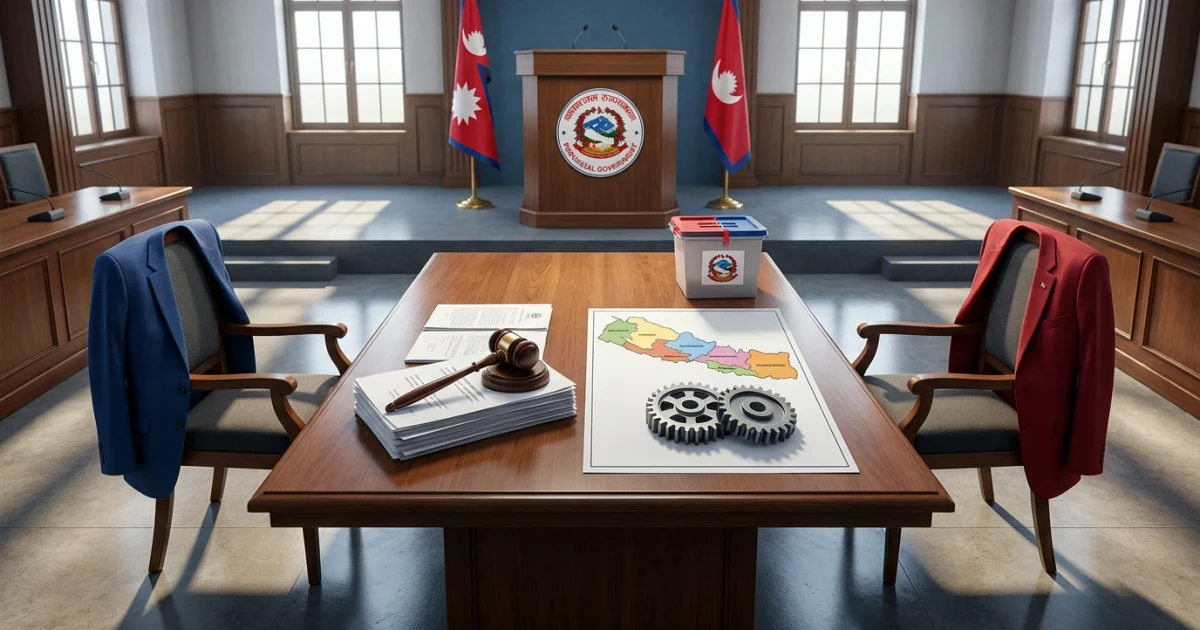
Nepal’s provincial politics are witnessing a familiar pattern as the Nepali Congress and the Communist Party of Nepal (Unified Marxist–Leninist), or UML, revive the practice of rotational power-sharing. This approach, which dominated the early years of provincial governance, is once again setting the tone for leadership transitions and coalition management across several provinces.
Resurgence of Rotational Governance
According to The Kathmandu Post, the latest assembly sessions and coalition negotiations have resulted in an informal agreement between the two largest parties to rotate key positions such as Chief Minister and assembly leadership at predetermined intervals during the provincial assembly term. This echoes arrangements seen after provincial assemblies were first formed under Nepal’s 2017 elections, when frequent shifts in government were common as parties sought to balance alliances and power.
- The current composition of most provincial assemblies shows Congress and UML as dominant forces, often requiring each other’s support to form stable governments.
- Both parties have agreed to alternate the chief ministership and other top posts, sometimes splitting the five-year term into two or more segments.
Political Context and Implications
This return to rotational politics follows a period of relative stability, but analysts cited by The Kathmandu Post note that ongoing party fragmentation and the rise of regional forces have made single-party majorities rare in provincial assemblies. As a result, Congress and UML have revived their earlier tactics to maintain coalition unity and avoid deadlocks over leadership posts.
Rotational arrangements are not codified in law but are based on informal party agreements. Experts point to analysis from the Ministry of Federal Affairs and General Administration, which suggests that such deals can provide short-term stability but may hinder consistent policy implementation and long-term governance planning.
Unique Challenges in Provincial Governance
Provincial governments in Nepal are still evolving, and coalition politics has become the norm. Data from CESIF Nepal highlights frequent changes in leadership, with chief ministers often serving shortened terms due to the rotation system. The Kathmandu Post notes that while these deals prevent immediate no-confidence motions, they can undermine administrative continuity and the effectiveness of development programs.
- Rotational politics has led to multiple chief ministers within a single assembly term in several provinces.
- Frequent leadership changes can disrupt policy consistency, affecting issues like budget implementation and legislative priorities.
A Balancing Act for the Major Parties
The Kathmandu Post reports that both Congress and UML leaders defend the rotational practice as a pragmatic solution in a fragmented assembly. They argue it ensures all major coalition partners have a stake in government. However, watchdog organizations and policy researchers have raised concerns that such arrangements may reduce accountability and perpetuate a cycle of short-termism.
Legal experts referencing the official acts and regulations governing provincial assemblies note that while the law does not prohibit rotational politics, it places responsibility for government stability on the parties themselves.
Looking Ahead
As Nepal’s provinces continue to refine their legislative and executive processes, the revival of rotational politics by Congress and UML highlights the ongoing challenges of coalition governance. Whether this practice leads to greater stability or further administrative churn remains to be seen, but it is clear that Nepal’s provincial political landscape will remain dynamic as parties navigate the complexities of power-sharing and representation.