Politics
Congress Approval Ratings Remain Low Through 2026
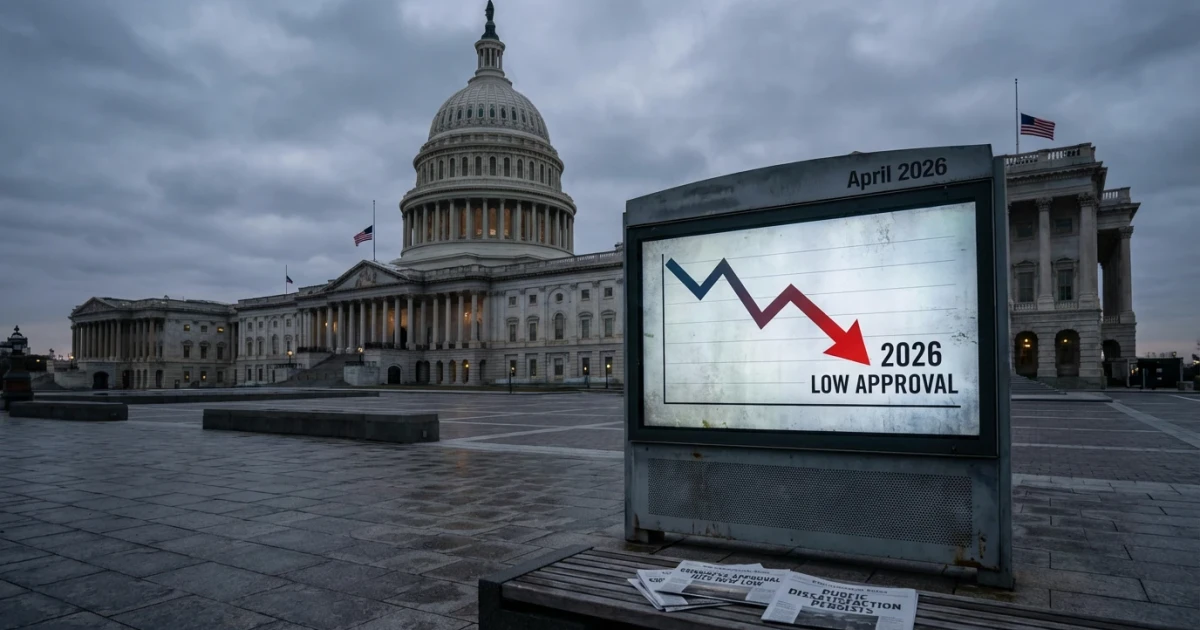
Recent data from Statista shows that the U.S. Congress continues to struggle with low public approval ratings, with figures remaining historically depressed from 2022 through early 2026. The trend highlights persistent public dissatisfaction with legislative performance, a pattern that has broad implications for national politics and government accountability.
Persistent Low Approval Across Four Years
According to monthly approval ratings published by Statista, Congress has failed to make significant gains in public support. Over the past four years, approval percentages have consistently hovered in the mid-to-low 20s, rarely breaking above 30%. This pattern mirrors a long-term trend of skepticism toward the legislative branch, which has often lagged behind other government institutions in public trust.
- Monthly approval ratings for Congress stayed between 18% and 28% from 2022 to early 2026.
- Periods of slight uptick—such as during major legislative action—were short-lived and quickly reverted to the baseline.
- Disapproval rates remained high, frequently exceeding 60% during this period.
Factors Contributing to Low Approval
Statista’s data, when compared to Gallup’s historical figures and C-SPAN's approval rating tracker, suggests several factors behind these persistent low ratings:
- Partisan gridlock and frequent legislative stalemates have left many voters frustrated with the pace of policymaking.
- High-profile disagreements over budget proposals, judicial confirmations, and national priorities have contributed to negative perceptions.
- Scandals, ethical controversies, and publicized conflicts have also played a role in undermining trust.
The Government Accountability Office (GAO) has previously found that public perceptions of Congress are influenced not only by legislative output but also by media coverage and broader trust in government institutions.
Comparison with Historical Trends
These figures are not unprecedented—Congress has faced low approval for much of the past two decades. Pew Research Center surveys show that spikes in approval are typically tied to moments of national unity or legislative breakthroughs, such as economic relief bills or bipartisan agreements. However, these moments have become less frequent, and approval quickly dips as partisan divisions resurface.
Implications for Governance and Elections
Low congressional approval has wide-reaching consequences:
- It can contribute to voter apathy, lower turnout, and decreased engagement with the political process.
- It may drive calls for reform, such as changes to legislative rules, term limits, or campaign finance laws.
- Incumbents in low-approval climates often face tougher re-election battles, as challengers capitalize on anti-establishment sentiment.
Looking Forward
With major national elections approaching, Congress’s approval rating remains an important barometer of public mood. Observers will be watching closely to see if legislative breakthroughs or shifts in political leadership can move the needle. For now, the data underscores a persistent challenge for federal lawmakers: earning back the trust of the American people.