Politics
Congress Approves $70B for Trump’s Deportation Plans
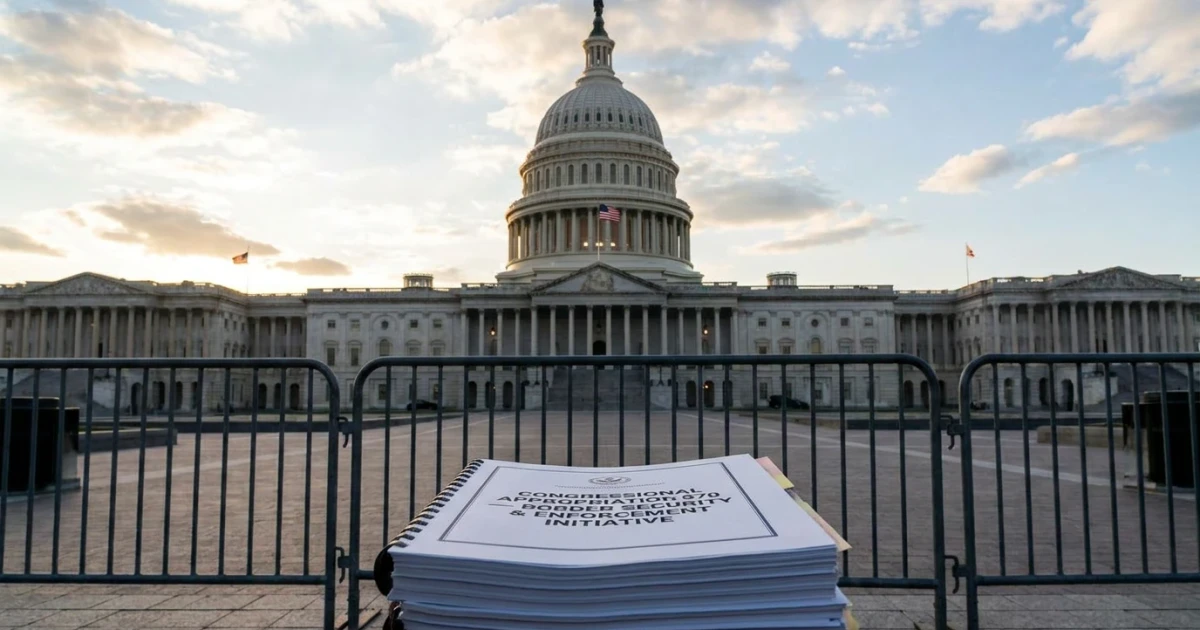
Congress has approved a substantial $70 billion funding package to support President Trump’s deportation agenda, marking one of the largest legislative investments in immigration enforcement to date. The move signals a renewed emphasis on border security and removal operations, with far-reaching implications for the Department of Homeland Security (DHS), U.S. Immigration and Customs Enforcement (ICE), and the nation’s immigration landscape.
Funding Details and Congressional Action
The Department of Homeland Security Appropriations Act, 2025 (H.R.8369) forms the backbone of the $70 billion allocation. According to PBS reporting, this infusion is specifically geared toward expanding deportation operations, hiring additional enforcement personnel, and upgrading detention facilities across the country. The funds will be distributed over several years, with the bulk earmarked for immediate operational enhancements.
- $70 billion total funding for DHS immigration enforcement and removal operations
- Significant increases for ICE’s budget, supporting more deportations and arrests
- Investments in new detention centers, surveillance technology, and border infrastructure
Impact on Immigration Enforcement
The funding surge is expected to dramatically increase ICE’s capacity for deportations. According to official ICE Enforcement and Removal Operations Statistics, recent years have seen a steady rise in removals and arrests. With the new budget, ICE will be able to scale up operations, potentially resulting in higher numbers of apprehensions and removals in the coming fiscal cycles.
- ICE reported over 180,000 removals in the most recent year
- Additional funding projected to increase annual removals and expand detention capacity
- Focus areas include interior enforcement, expedited removals, and cross-agency collaboration
Broader Policy Context
The Trump administration’s approach prioritizes aggressive enforcement, with an emphasis on deterrence and speed. This aligns with long-standing goals to reduce the unauthorized immigrant population, which remains in the millions nationwide. Critics argue that such investments could strain resources, exacerbate humanitarian concerns, and increase legal challenges, while supporters see it as a necessary step to restore order and security.
Analysis and Forward Outlook
The $70 billion infusion underscores the federal government’s commitment to robust enforcement measures. According to immigration policy analysts, the expansion is likely to have several effects:
- Increase in immigration enforcement actions and deportation proceedings
- Potential rise in detentions, legal appeals, and family separations
- Greater scrutiny from oversight bodies and civil rights organizations
The funding decision is likely to shape the national debate over immigration for years to come. As the Department of Homeland Security implements these resources, ongoing monitoring and analysis will be critical to assess their impact on communities, the economy, and the broader immigration system.
For a detailed breakdown of the DHS budget request and historical trends, see the DHS FY 2025 Budget in Brief.
In summary, the $70 billion authorization marks a pivotal moment in U.S. immigration policy—setting the stage for expanded enforcement and ongoing debate over the balance between security and humanitarian concerns.