Politics
Congress Courts Andhra-Rooted Voters in Greater Hyderabad
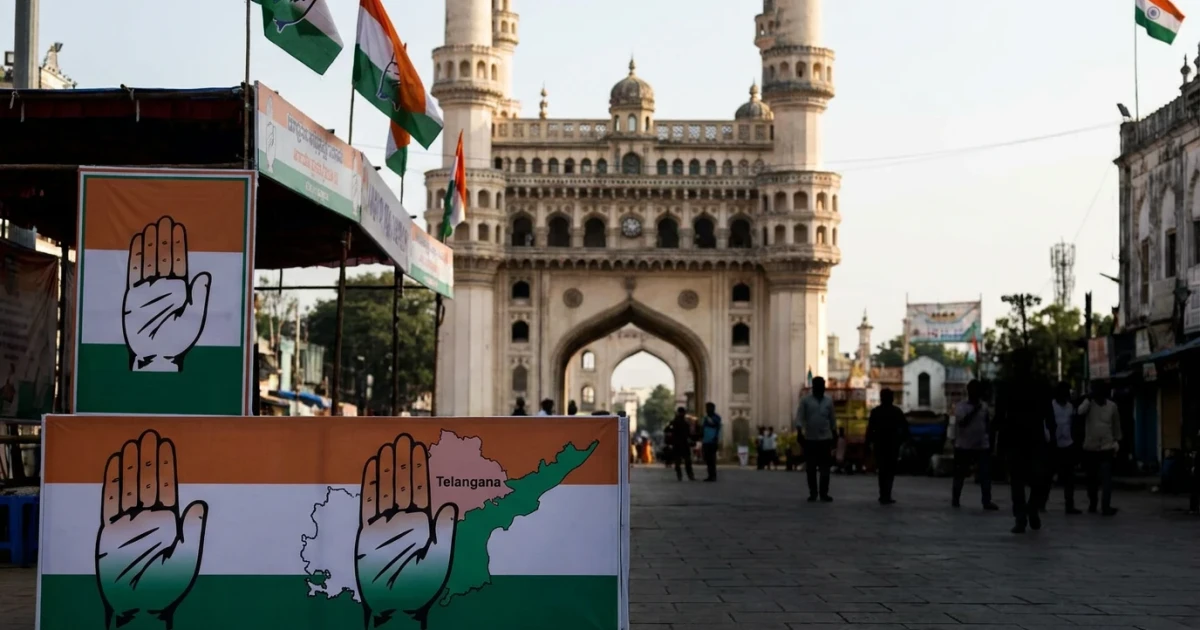
Congress decisions in Greater Hyderabad are increasingly drawing attention for their focus on Andhra-rooted voters, according to political analysts. Recent strategies implemented by the party have prompted discussion about the role of Andhra-origin communities in shaping the region’s political landscape, especially as Hyderabad remains one of India’s most diverse urban centers.
Growing Visibility of Andhra-Origin Voters
Greater Hyderabad’s demographic profile has been significantly shaped by migration from neighboring Andhra Pradesh. As Census of India 2011 data and more recent analysis from the Telangana Socio Economic Outlook 2023 show, tens of thousands of families with Andhra roots have settled in Hyderabad over the past few decades. This group is concentrated in several urban constituencies and has become a key electoral bloc, as seen in the official electoral rolls for Telangana.
- Migration and urbanization studies, such as the Migration and Urbanization in Hyderabad: A Socio-Demographic Analysis, describe how Andhra-origin voters have shaped the city's linguistic and cultural landscape.
- According to the Hyderabad Population Data, the population has seen steady growth, with Andhra-rooted citizens accounting for a sizeable portion of this increase over the past two decades.
Congress's Targeted Moves
Political observers, as reported by NewsMeter, have identified a pattern in the Congress party’s decisions that appears designed to appeal directly to Andhra-rooted communities in Hyderabad. This includes:
- Increased representation of Andhra-origin leaders in local party units and candidate lists
- Public statements and manifestos highlighting issues relevant to migrants from Andhra Pradesh
- Policy promises related to urban development and linguistic inclusion, aiming to address concerns often expressed by Andhra-rooted residents
While the Congress has not issued an explicit statement confirming this targeted approach, the pattern has been prominent enough for analysts to take note. NewsMeter highlights that these moves are not isolated, but part of a broader strategy as the party seeks to consolidate support in a competitive electoral environment.
Historical and Legislative Context
The rise in political significance of Andhra-rooted voters in Hyderabad is closely tied to the city’s history and the Andhra Pradesh Reorganisation Act, 2014, which established Telangana as a separate state with Hyderabad as its capital. As a result, the political and social ties between Hyderabad and Andhra Pradesh remain strong, influencing both party strategies and voter expectations.
Researchers note that political parties in Hyderabad have adopted nuanced tactics to appeal to different demographic groups, and the Congress’s recent moves fit within this pattern. The party’s actions signal an effort to blend pan-Telangana identity politics with targeted outreach to distinctive communities like the Andhra-rooted population.
Implications for Hyderabad’s Political Landscape
With major parties vying for influence in Hyderabad’s rapidly evolving urban space, the role of Andhra-rooted voters is expected to remain critical. Political analysts suggest that the Congress’s approach may prompt similar strategies from rival parties, potentially reshaping campaign dynamics in upcoming elections.
As Hyderabad continues to grow and diversify, the interplay of migration, identity, and political strategy will likely keep the city at the center of Telangana’s electoral map. The focus on Andhra-origin voters reflects broader trends in Indian urban politics, where demographic shifts and community interests increasingly drive party decisions.
For readers interested in further exploring the demographic and political evolution of Hyderabad, resources such as the Statistical Abstract of Telangana 2022 and the Census of India 2011 data tables provide in-depth data on migration, language, and voter distribution.
As the political climate in Hyderabad continues to develop, analysts will be watching closely to see how other parties respond—and whether Congress’s focus on Andhra-rooted voters translates into tangible electoral gains.