Politics
Congress Criticizes Government's Special Parliament Session
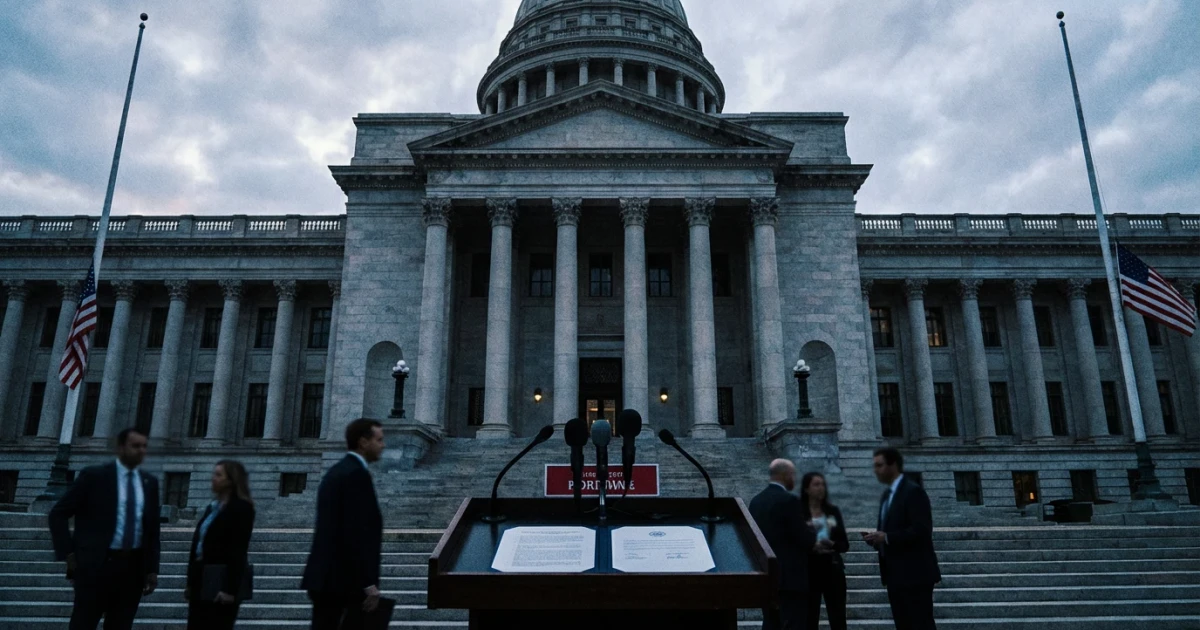
Congress has sharply criticized the government for convening a special session of Parliament, claiming that the move is aimed at gaining political mileage rather than addressing legislative priorities. The criticism has reignited discussions over the purpose and timing of special sessions, highlighting ongoing tensions between the ruling party and the opposition.
Opposition Raises Concerns Over Government's Intent
According to India Today, Congress leaders have publicly questioned the rationale behind the government's decision to call a special session of Parliament. Senior party members argue that the timing and agenda suggest a focus on political optics, potentially sidelining meaningful legislative debate.
- Congress alleges the session could be used to showcase government achievements ahead of elections.
- The party has also voiced concerns about transparency, claiming the government did not adequately consult opposition parties in setting the agenda.
- This criticism comes against the backdrop of previous special sessions, which have sometimes been called for urgent or milestone legislation, as documented in PRS Legislative Research's history of special sessions.
Special Sessions: Purpose and Precedent
Special sessions of Parliament are convened outside the normal calendar, often to address urgent matters or significant legislative needs. Analysis from PRS Legislative Research's session alerts shows that previous special sessions have addressed:
- Major policy reforms
- Constitutional amendments
- National crises or emergencies
However, critics argue that the effectiveness of special sessions depends on their agenda and the degree of bipartisan input. Official Lok Sabha attendance records indicate that opposition participation can fluctuate based on perceived transparency and intent.
Government's Response and Ongoing Debate
While the government has not issued a detailed public response to Congress's latest remarks, it maintains that special sessions are a legitimate tool for legislative action. Supporters argue that such sessions allow Parliament to address urgent or unfinished business outside the regular schedule.
The expenditure associated with these sessions is not insignificant. According to the official expenditure budget for Parliament, special sessions require careful planning and allocation of resources, underscoring the importance of legislative productivity and consensus-building.
Looking Ahead: Implications for Parliamentary Proceedings
The latest controversy reflects deeper divisions over the role and function of Parliament in India's democracy. As highlighted in data on parliamentary proceedings, the frequency and content of sessions can have lasting impacts on policy outcomes and public trust.
Observers note that the effectiveness of the upcoming special session will depend on:
- The transparency of its agenda
- The extent of opposition participation
- The legislative outcomes achieved
With political stakes high and both sides seeking to influence public perception, the special session is likely to remain a flashpoint in the ongoing debate over parliamentary practice and democratic accountability.