Politics
Congress Criticizes Modi Government’s Silence on US-Israel Iran Airstrike
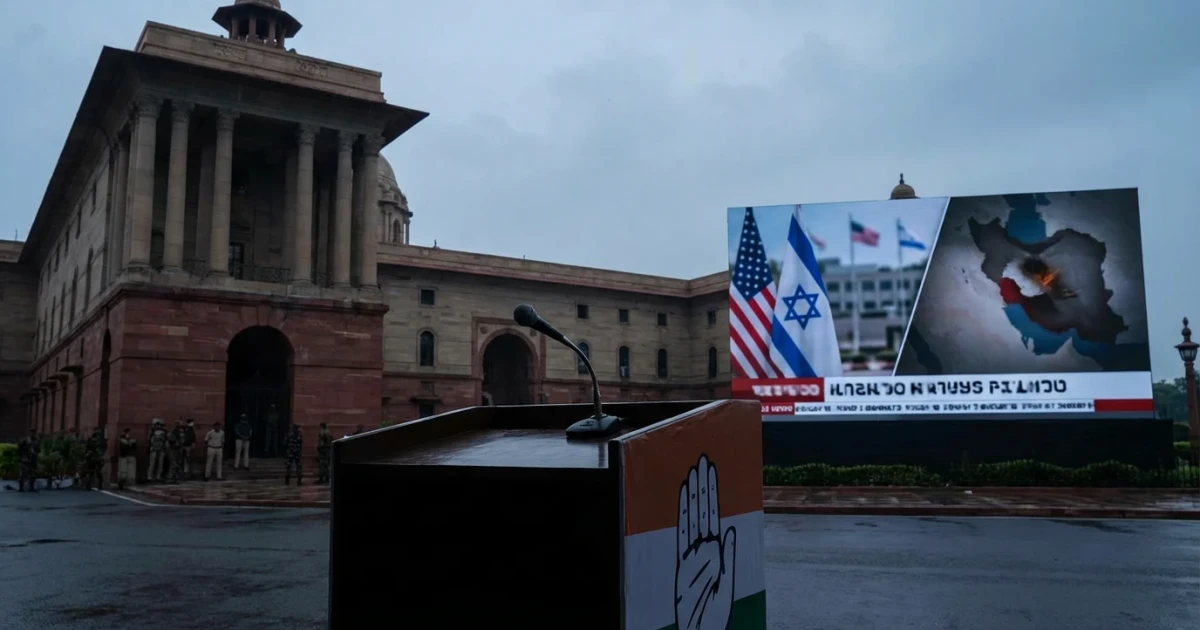
India’s main opposition party, Congress, has sharply criticized the Modi government for its lack of comment following the recent joint US-Israel airstrike on Iran. The incident has sparked debate over India’s diplomatic approach in the region and its long-standing balancing act between key partners and regional stability.
Congress Raises Concerns on Government’s Silence
The Congress party voiced strong objections to what it described as the Modi administration’s "silence" following the reported joint military action by the United States and Israel targeting sites in Iran. The airstrike, which international outlets have called a significant escalation in ongoing Middle East tensions, has drawn reactions from governments and organizations worldwide. However, the Indian government has so far refrained from making a public statement.
Congress leaders argue that India, as a major regional power with strategic interests in both the Middle East and among Western allies, should not remain passive during such critical developments. They contend that the government’s lack of response risks undermining India’s image as a responsible stakeholder in international affairs and could impact its long-term strategic interests.
India’s Stakes in the Region
India has cultivated complex relationships with both Israel and Iran. Israel is a key defense and technology partner, ranking among the top suppliers of military equipment to India, as detailed in the SIPRI Arms Transfers Database. Iran, on the other hand, plays a crucial role in India’s energy security and access to Central Asia, notably through the strategic Chabahar port project.
- India imports significant quantities of crude oil from Iran, though recent sanctions have reduced volumes.
- Strategic infrastructure like the Chabahar port strengthens India’s connectivity to Afghanistan and Central Asia, bypassing Pakistan.
- Israel supplies advanced military technology and intelligence cooperation, including air defense systems and drones.
Given these interests, India typically maintains a cautious diplomatic stance, aiming to avoid alienating either side in the event of regional conflict.
Foreign Policy Balancing Act and International Expectations
Historically, India has walked a diplomatic tightrope during Middle Eastern crises, advocating for restraint and dialogue while refraining from taking sides. According to analyses in the Congressional Research Service’s report on Iran’s Foreign and Defense Policies, major regional players like India are often expected to comment or mediate when tensions escalate to military action involving global powers.
Congress leaders believe the Modi government’s silence signals a retreat from this tradition, potentially weakening India’s influence. Critics assert that a public statement—calling for restraint or expressing concern—would reinforce India’s commitment to regional stability and its established diplomatic principles.
Public Opinion and Geopolitical Context
The airstrike has prompted divided public opinion in India, reflecting broader global sentiment. Recent data from the Pew Research Center indicates that a significant portion of the international public expects major democracies to take principled stances during high-profile conflicts, particularly those involving allies or critical energy suppliers.
India’s approach also aligns with its voting patterns at the United Nations, where it has supported resolutions on the Middle East that typically emphasize restraint and dialogue rather than condemnation or support for military action.
Looking Ahead
As tensions in the Middle East continue, India’s diplomatic response—or lack thereof—will be closely watched by both domestic stakeholders and international partners. The Congress party’s recent criticism suggests increasing pressure on the Modi government to clarify its position amid shifting alliances and rising instability in the region.
Whether the government maintains its silence or issues a formal statement, the decision will likely have ramifications for India’s relationships with the US, Israel, Iran, and the broader international community. The evolving situation underscores the challenges of balancing strategic interests with global expectations of responsible leadership.