Politics
Congress Criticizes Special Session Amid State Polls
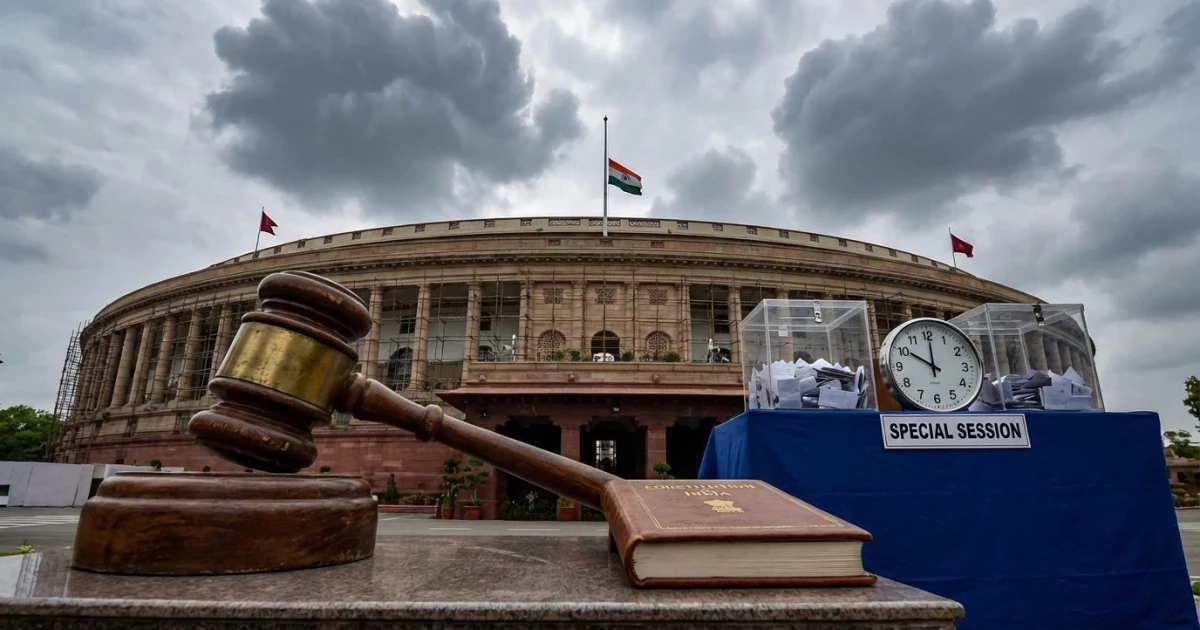
Congress leaders have strongly criticized the central government's decision to convene a special session of Parliament during ongoing elections in West Bengal and Tamil Nadu, alleging the move was intended to gain political advantage and constituted a violation of the Model Code of Conduct (MCC).
Congress Alleges Political Motive Behind Special Session
The controversy centers on the government's recent announcement to hold a special session of Parliament while high-stakes polling is underway in two major states. According to coverage by The Hindu, the Congress party claims the timing of the session was deliberately chosen to influence electoral outcomes in West Bengal and Tamil Nadu, where assembly elections are being held concurrently.
Echoing this, Devdiscourse reported that Congress leaders described the session as a "political ploy," suggesting that the government sought to use the parliamentary platform to sway voters and draw media attention during the critical campaign period.
Model Code of Conduct at the Center of Dispute
At the heart of Congress’s criticism is the Model Code of Conduct, a set of guidelines enforced by the Election Commission to ensure a level playing field once elections are announced. The party argued that holding a special session during elections violates these rules, which restrict governments from making policy announcements or taking actions that could unduly influence voters.
While the Congress has raised these objections, government representatives have not publicly addressed the specific allegations. As of now, the Election Commission has not issued any formal statement regarding whether the special session breaches the Model Code of Conduct.
Background: Special Sessions and Election Timing
Special sessions of Parliament are not uncommon, but their timing often attracts scrutiny. According to PRS Legislative Research, the calling of a special session is at the discretion of the government, but such sessions during election periods are rare and can prompt concerns about propriety.
The elections in West Bengal and Tamil Nadu are among the most closely watched in the country, with significant political stakes for all major parties. Data from the Election Results Statistics database shows both states have large voter populations and a history of high-turnout, competitive elections.
Congress’s Arguments
- The special session was announced and convened during the Model Code of Conduct period in West Bengal and Tamil Nadu.
- Congress alleges the session is designed to give the ruling government additional media visibility and momentum during the polls.
- The party claims this undermines the fairness of the electoral process and sets a "concerning precedent."
What the Official Records Show
- Lok Sabha records confirm the special session’s dates overlap with the state election schedule.
- The Model Code of Conduct places explicit restrictions on government activities during active elections.
- No official notice of censure or investigation from the Election Commission has been reported as of this writing.
Broader Implications and Next Steps
This episode highlights ongoing tensions over the intersection of parliamentary procedures and election regulations in India. While Congress has called for accountability and possible intervention by the Election Commission, experts note that the lack of precedent makes the outcome uncertain.
The case is likely to prompt debate over the guidelines surrounding special sessions, especially when they coincide with major state elections. Observers are watching to see whether the Election Commission will clarify or update its policies on government activity during the MCC period.
With West Bengal and Tamil Nadu’s elections continuing, the political ramifications of the government’s decision—and the opposition’s response—remain under close scrutiny. The coming weeks may determine whether the issue escalates further, potentially leading to new regulatory or legal measures for future election cycles.