Politics
Congress demands details on U.S.-Iran deal as review fight grows
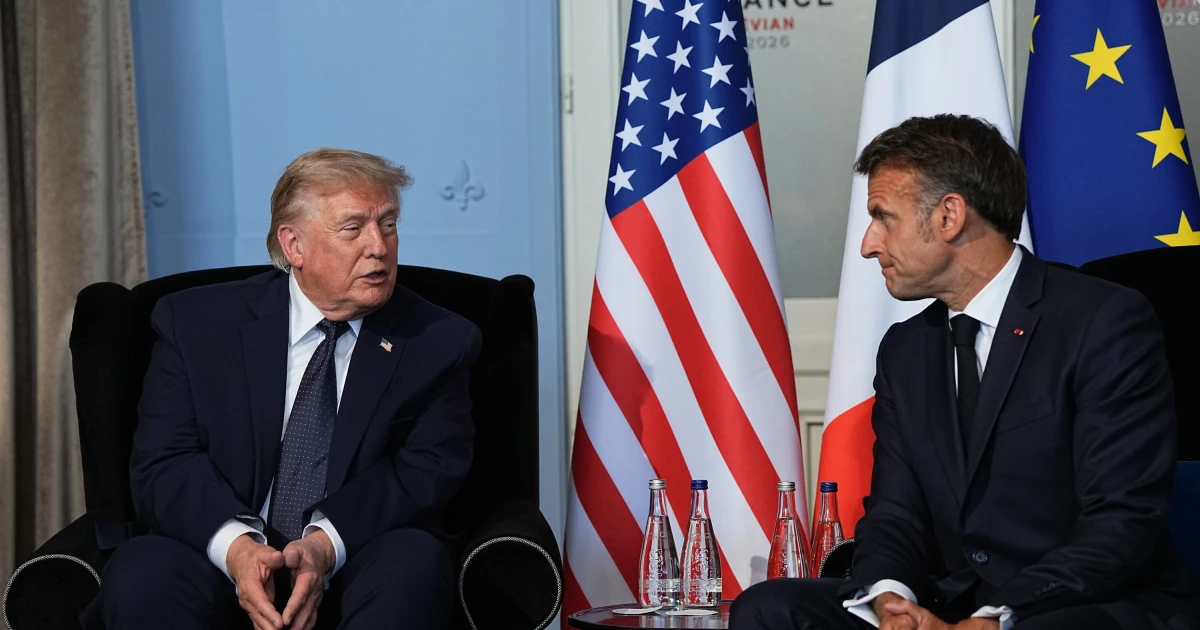
Congress moved quickly to demand the fine print of the U.S.-Iran agreement after officials described it as a memorandum of understanding that could end nearly four months of war, reopen the Strait of Hormuz and launch 60 days of follow-on talks on Iran’s nuclear program and sanctions relief. The problem for the White House was not just the diplomacy itself, but the political reaction in Washington: both parties said they had not seen the actual text, and both wanted a review before the deal could take hold.
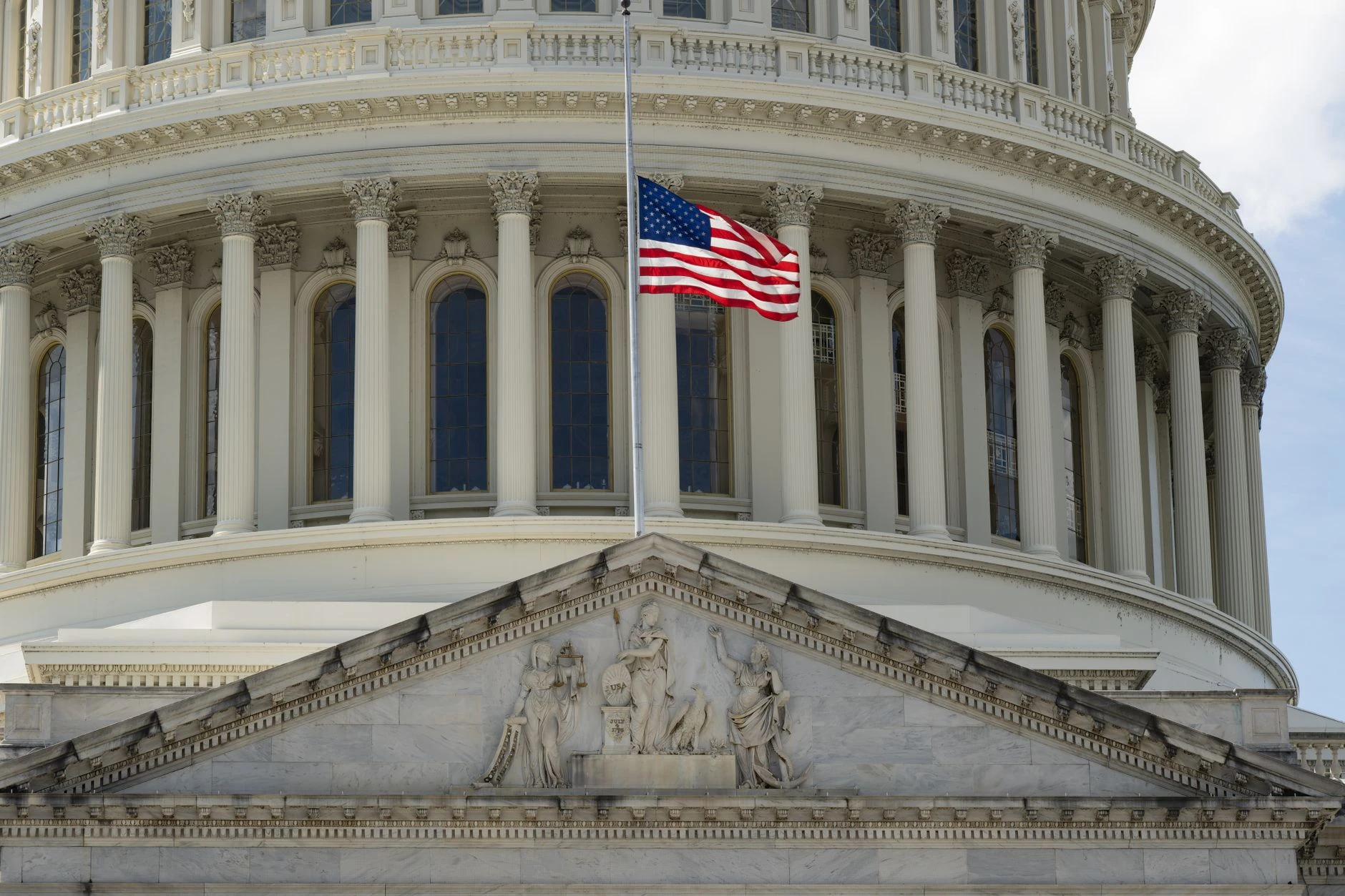
The agreement was reportedly signed electronically, with a formal in-person signing ceremony set for Friday, June 19, in Geneva. That timing sharpened the fight over the Iran Nuclear Agreement Review Act, which gives Congress 30 days to review a nuclear agreement after it is transmitted and to vote on a resolution of disapproval. Lawmakers said the administration could not ask them to absorb a major shift in U.S. policy, sanctions and maritime security without showing what Iran had actually agreed to.
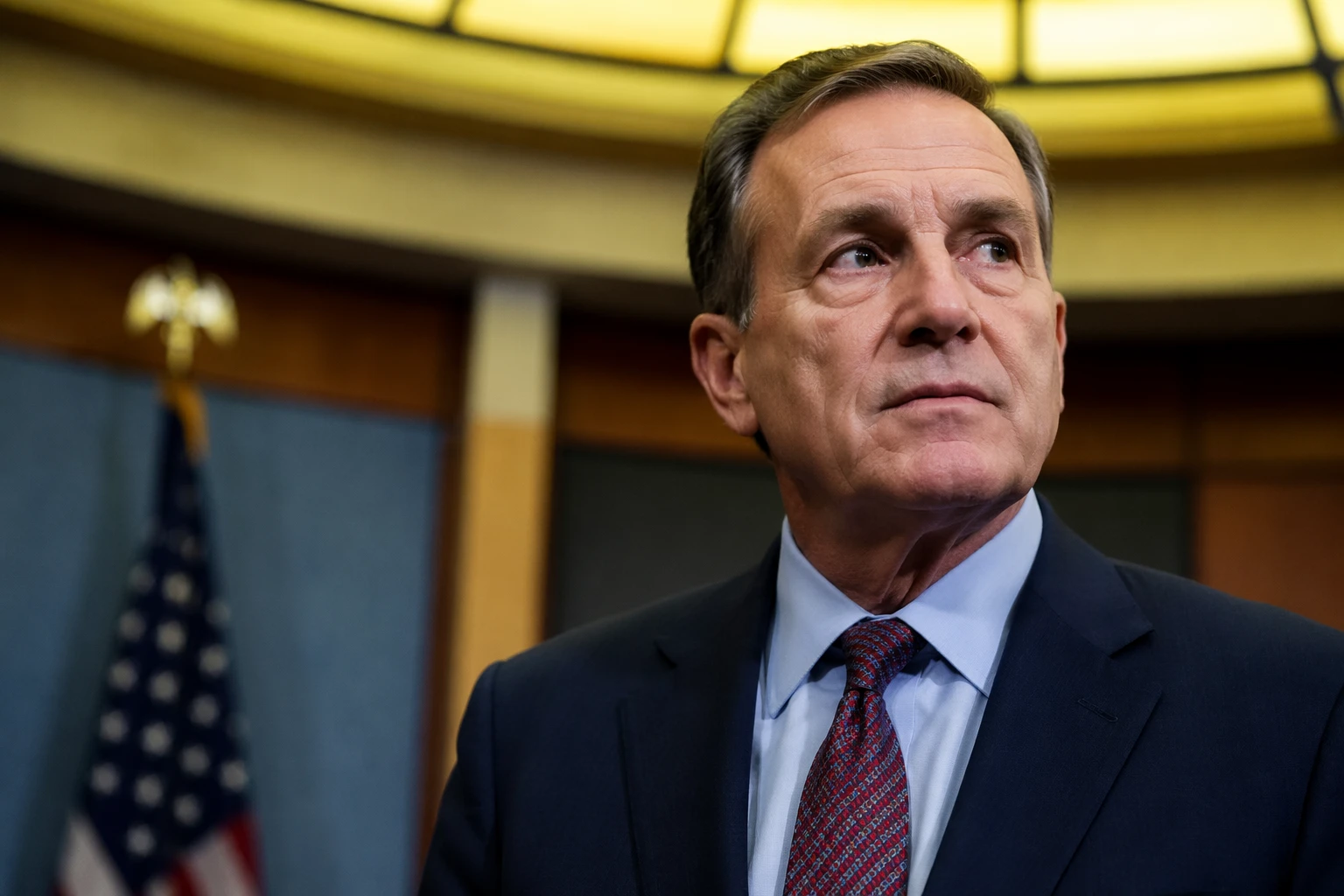
The bipartisan backlash reflected two different fears about the same deal. Republicans such as Sen. Bill Cassidy argued the agreement could leave Iran stronger and sanctions-free, a critique aimed at the economic leverage the United States has used for years. Sen. Lindsey Graham sounded more cautious than hostile, saying he was pleased the war appeared to be ending but worried Iran’s understanding of the agreement might differ from the American account. On the Democratic side, Senate Minority Leader Chuck Schumer pressed the administration to release the details publicly and brief Congress immediately, signaling that his party’s concern centered less on whether diplomacy was worthwhile than on whether the White House was trying to bypass oversight.
Sen. Chris Murphy captured the other side of the debate inside Washington, saying ending the war was good even if the terms were humiliating. That split now defines the review fight: one camp sees a badly needed off-ramp from a conflict that intensified after U.S. and Israeli strikes, while the other sees a deal that could hand Tehran relief before the United States has locked in enforceable limits. The stakes are wider than Iran alone. The Strait of Hormuz normally carries about 20% of the world’s oil in peacetime, so any reopening of the waterway matters immediately to energy markets and global shipping.
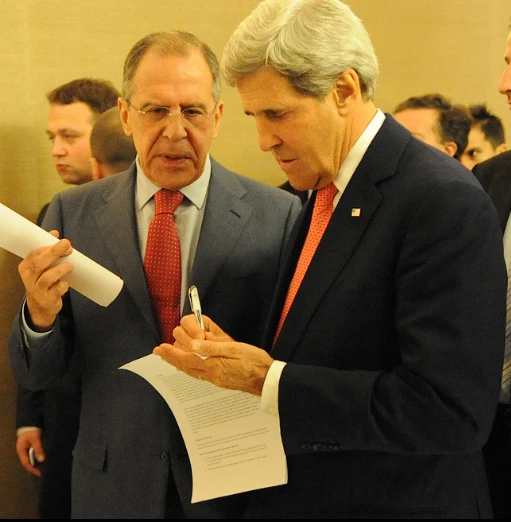
Trump was at the G7 summit in Évian-les-Bains, France, when the agreement landed, and European leaders greeted the news with relief while warning they would need to see a solid, enforceable deal. Some were already discussing whether they might be asked to help clear mines from the Strait of Hormuz. That makes the coming congressional review more than a procedural fight; it is the first test of whether the accord can survive the domestic backlash long enough to become real.
Sources
- [1]cbsnews.com
- [2]rollcall.com
- [3]spectrumlocalnews.com
- [4]cnbc.com
- [5]politico.com
- [6]jewishinsider.com
- [7]apnews.com