Politics
Congress Deputy Raises Concerns Over Recent Political Moves
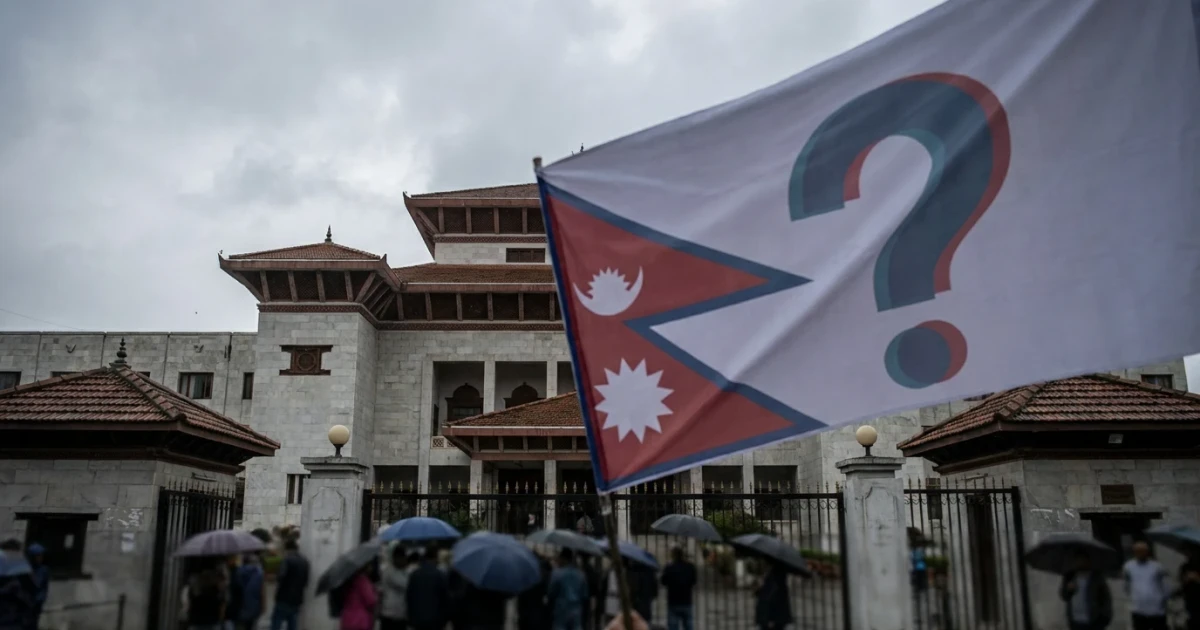
Congress Deputy President Sharma has openly challenged both the Prime Minister and the RSP Chairman, questioning their actions amid recent political shifts in Nepal. This public inquiry, reported by Ratopati, reflects increasing scrutiny within the country's leadership and signals potential friction among major political parties.
Political Uncertainty and Leadership Dynamics
Sharma’s remarks come during a period of heightened political activity, as Nepal’s government grapples with shifting alliances and policy debates. His questions target the Prime Minister’s decisions and the role of the RSP Chairman, underscoring how party leaders are being held accountable for their strategies and governance priorities.
- Congress remains one of Nepal’s most influential parties, actively involved in parliamentary debates and coalition talks. Detailed profiles and party histories can be found in research on Nepal's major political parties.
- The Rastriya Swatantra Party (RSP), led by its Chairman, has emerged as a key player in recent months, influencing policy and coalition dynamics.
- Prime Minister’s decisions are subject to scrutiny from opposition leaders, as documented in the official Office of the Prime Minister and Council of Ministers structure.
Congress Deputy Sharma’s Critique
While Ratopati’s report does not provide direct quotes, it highlights Sharma’s pointed questions regarding the motivations and implications behind the Prime Minister’s latest moves and the RSP Chairman’s stance on coalition politics. This public questioning suggests unease over the direction of Nepal’s government and potential disagreements on policy or party cooperation.
Sharma’s actions reflect a broader trend of political leaders demanding transparency and accountability. According to International IDEA's data on Nepal, such debates are common during times of coalition formation and leadership transitions.
Implications for Parliamentary Stability
The Congress Deputy’s concerns illustrate the challenges facing Nepal’s parliamentary system. Recent election results show a fragmented parliament, where coalition-building is key to government stability. Questions from opposition leaders like Sharma highlight the delicate balance required to maintain effective governance.
- The House of Representatives comprises diverse parties, resulting in complex negotiations for majority formation.
- Political accountability and leadership transparency remain top concerns, as outlined in Nepal’s politics and governance statistics.
Analysis: Navigating Political Tensions
Sharma’s public questioning serves as a reminder of the importance of dialogue and oversight in Nepal’s evolving political landscape. As major parties such as Congress and RSP navigate coalition politics, the demand for clarity and openness is likely to intensify.
Observers note that the current climate may prompt further discussions on party cooperation, leadership accountability, and the direction of government policy. For those seeking more context on Nepal’s parliamentary procedures, resources are available that explain the country’s electoral system and coalition dynamics.
Looking ahead, Nepal’s political leaders face the challenge of maintaining stability and addressing public concerns, as highlighted by Sharma’s intervention. How the Prime Minister and RSP Chairman respond may shape the nation’s governance in the coming months.