Politics
Congress Faces Crucial Talks on Women's Reservation and West Asia Tensions
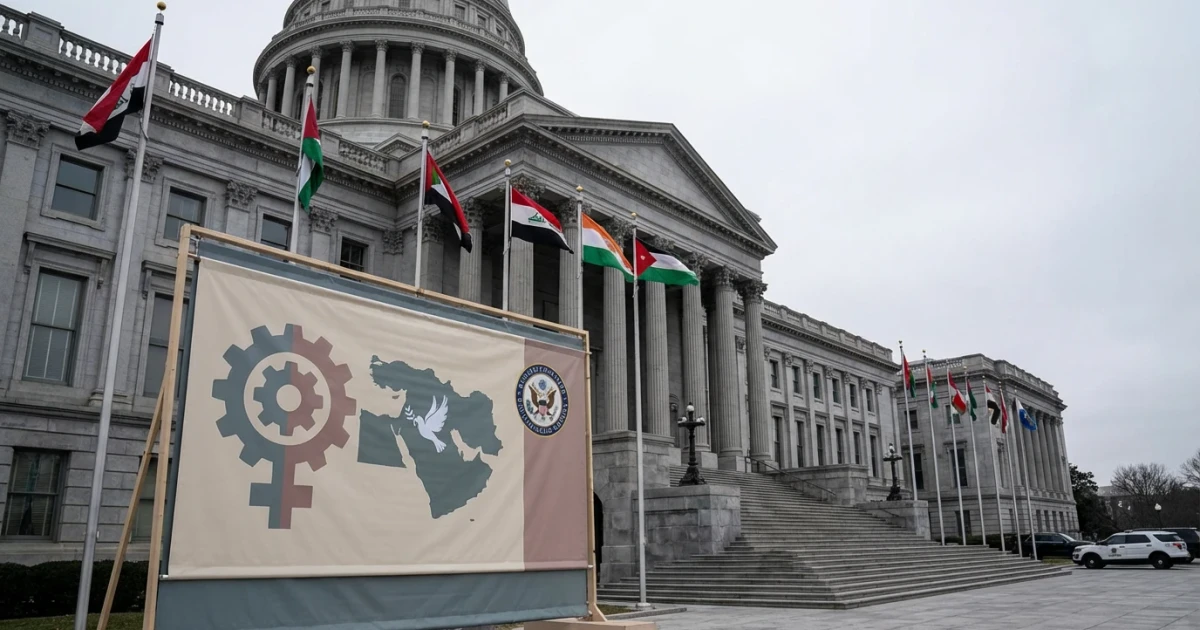
Congress leaders are preparing for deliberations on two of the country's most pressing issues: the implementation of the Women's Reservation Bill and the escalating conflict in West Asia. With political temperatures rising, these discussions are poised to shape India's legislative landscape and foreign policy direction in the coming months.
Women's Reservation Law at the Forefront
The Women's Reservation Bill, formally known as The Constitution (One Hundred and Twenty-Eighth Amendment) Bill, 2023, aims to reserve one-third of seats in the Lok Sabha and state legislative assemblies for women. The Congress party is expected to discuss the path toward actual implementation, including the timeline for its effect and the mechanisms for rollout.
- India's current rate of female representation in Parliament stands at approximately 14.9%, according to the latest Inter-Parliamentary Union (IPU) data.
- Globally, the average is 26.9%, highlighting India's lag behind many other democracies.
- Economic Survey of India data shows women’s participation in elected offices has seen incremental gains, but remains uneven across states and political parties.
The Bill, which passed with broad support in Parliament, requires fresh constituency delimitations before taking effect. Congress leaders are weighing strategies to ensure that the law’s promise translates into tangible political empowerment for women, especially as the next general election approaches.
Debate Reflects Broader Political Stakes
Congress’s deliberations come amid a charged political backdrop, with rival parties seeking to claim credit for the Bill’s passage. Analysts say that the timing of these discussions could influence public perception of the party’s commitment to gender equality.
While there is cross-party agreement on the principle of women’s reservation, some factions have raised concerns about the delayed implementation and the lack of sub-quotas for marginalized groups. Congress leaders must also address these criticisms as they finalize their stance.
For readers seeking deeper data, the Lok Dhaba Indian Election Data Archive provides constituency-wise election results, including gender-wise candidate data and historical trends.
West Asia Conflict on the Agenda
In addition to domestic reforms, Congress is set to tackle India’s approach to the ongoing conflict in West Asia. The region has seen rising tensions, with humanitarian and geopolitical ramifications that impact India’s foreign policy and diaspora communities.
- India has historically maintained a careful diplomatic balance in the region, given its energy needs and large expatriate population.
- The UN Data Collection on the Question of Palestine provides official records and context for the current situation.
Congress’s position may influence government statements, parliamentary resolutions, and India’s engagement with global institutions on the West Asia crisis. The party is expected to discuss humanitarian concerns, security implications, and the potential for diplomatic interventions.
Implications for Policy and Public Debate
Both the Women's Reservation Bill and the West Asia conflict carry significant implications for India’s policy landscape. The former speaks to the ongoing challenge of achieving gender parity in governance, an issue tracked by the Women in Politics 2023 UN report. The latter underscores India's role as a regional and global actor navigating complex international crises.
As Congress leaders meet, stakeholders from civil society, academia, and the international community will be watching closely. The outcomes of these deliberations could shape legislative priorities, diplomatic engagement, and public expectations heading into the next election cycle.
Looking Ahead
With the national conversation focused on representation and regional security, Congress’s discussions reflect both immediate political priorities and longer-term strategic interests. Their decisions in the coming weeks will be critical in setting the tone for inclusive governance and India’s voice on the world stage.