Politics
Congress Faces Deadline to Vacate Historic Headquarters
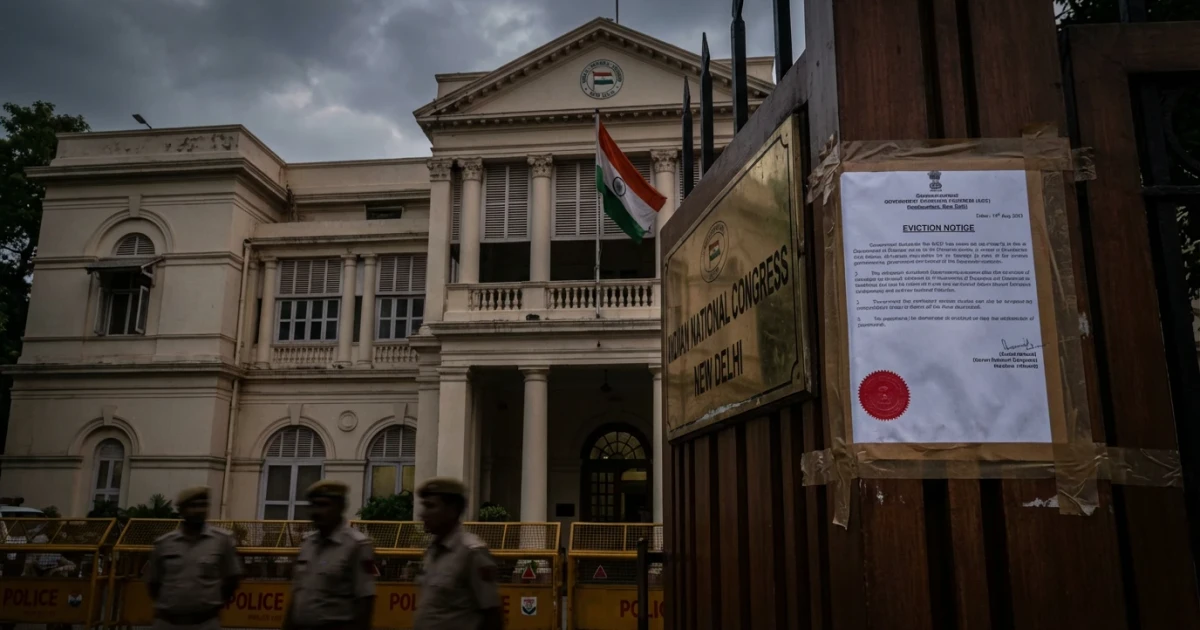
The Indian National Congress (INC) is facing heightened pressure after being ordered to vacate its historic headquarters in central Delhi, a move stirring both political and legal debates across the country. The order, issued under government property regulations, marks a significant moment for the party, which has operated from the iconic building for decades.
Background on the Headquarters
The Congress headquarters, located in the heart of Delhi, has long served as the nerve center for the party’s national operations. The building has witnessed numerous milestones in Indian political history, from pivotal election strategies to landmark press conferences. Its status is emblematic, not only for party workers but also for the broader public, symbolizing the legacy of India’s oldest political party.
Legal and Regulatory Context
The directive for the Congress to vacate the premises comes as part of a broader enforcement of the Delhi Land and Building Rules 2021, which outline the terms and conditions for government property occupancy. According to these rules, government-allotted premises can be reclaimed if occupants—such as political parties—fail to meet specific criteria or if the property is required for official purposes.
Furthermore, amendments to the Public Premises (Eviction of Unauthorised Occupants) Act in 2019 have strengthened the government’s hand in reclaiming such properties, streamlining eviction processes and reducing the time occupants have to comply with orders. These legislative changes have put several political organizations on notice regarding their continued use of government facilities.
Political Implications
The order arrives amidst ongoing political tensions, with Congress leaders arguing the move is motivated by political rivalry rather than mere administrative compliance. The party, which has seen a significant reduction in its parliamentary presence in recent years according to Indiastat's partywise seats won in Lok Sabha elections, claims the eviction underlines attempts to undermine and weaken its organizational structure.
Observers note that the timing of the order is sensitive, coming at a juncture when the Congress is strategizing for upcoming electoral battles. The headquarters has been a hub for managing national campaigns and housing senior leadership, and relocating could disrupt the party’s operations.
Administrative and Legal Process
The government’s action is rooted in a series of official notifications and committee recommendations. The Lok Sabha committee reports have periodically reviewed the use of government land by political entities, emphasizing stricter adherence to allocation norms. The Registration of Political Parties Order also requires parties to maintain office addresses compliant with regulatory frameworks.
Congress will need to coordinate with the authorities for the transition, ensuring that party archives, records, and operations are securely relocated to a new venue. The Election Commission’s official registry of recognized parties lists official headquarters addresses, and updates are expected following the party’s compliance with the order.
Reactions and Next Steps
- Party leaders have expressed concerns about the impact on morale and day-to-day functioning.
- Legal experts highlight that the government’s case is strengthened by recent legislative amendments and committee oversight.
- Opposition figures and some civil society groups suggest the eviction is emblematic of a shrinking space for institutional opposition in India.
Meanwhile, analysts believe the Congress’s ability to adapt to these logistical challenges will be closely watched by both supporters and rivals as the party seeks to regain its political footing.
Looking Ahead
The Congress’s exit from its historic headquarters marks the end of an era in Delhi’s political landscape. As the party negotiates its future, the episode highlights the growing intersection of administrative regulations and political contestation in India. Whether this development galvanizes the Congress’s organizational renewal or further complicates its revival efforts remains to be seen, but the story underscores the evolving relationship between the state and its political institutions.