Technology
Congress Faces Growing Pressure on Cybersecurity Legislation
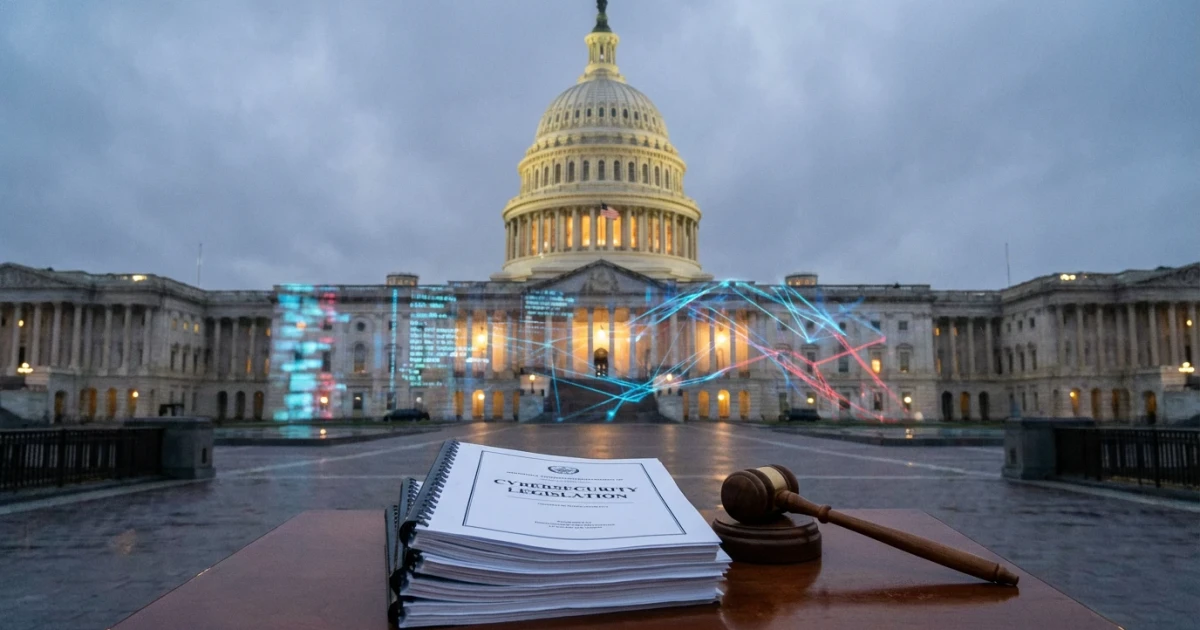
Lawmakers in Congress are under mounting pressure to address cybersecurity threats as attacks on U.S. infrastructure, businesses, and government agencies continue to intensify. Recent deliberations in Washington have highlighted both the complexity of the issue and the urgency for legislative action.
Complex Landscape of Cybersecurity Threats
The rapid evolution of cyber threats, from ransomware attacks to foreign state-sponsored hacking, has intensified scrutiny on federal responses. The 118th Congress has seen a surge in bills and proposals aimed at improving the nation’s cyber defenses, but experts note the challenge of keeping pace with technological change. The Government Accountability Office’s recent reports underscore persistent vulnerabilities in both federal agencies and critical infrastructure sectors.
Legislative Efforts and Roadblocks
- Congressional committees have introduced numerous bills addressing cyber incident response, critical infrastructure protection, and workforce development.
- Efforts to mandate stronger security standards for the private sector have met with resistance from industry groups concerned about regulatory burdens and implementation costs.
- Lawmakers are also debating the balance between national security and privacy, as proposals for increased government oversight raise civil liberties questions.
Despite bipartisan recognition of the cyber threat, political divisions and competing priorities have slowed progress. The Washington Post notes that while there is strong support for strengthening the federal response, consensus on the scope and methods of new regulations remains elusive.
Federal Initiatives and Strategy
The Biden administration’s National Cybersecurity Strategy has set out ambitious goals for strengthening public-private collaboration and modernizing federal systems. However, implementation faces obstacles related to funding, workforce shortages, and the need for updated technical standards. The National Institute of Standards and Technology’s Cybersecurity Framework continues to serve as a voluntary guide for organizations, but calls for making such standards mandatory are growing in the wake of recent high-profile breaches.
Rising Impact of Cyber Crime
According to recent statistics, cyber crime in the United States has resulted in billions of dollars in losses annually, with phishing, ransomware, and data breaches among the most common incidents. The Cybersecurity and Infrastructure Security Agency’s data show a marked increase in reported cyber incidents targeting both government and private entities.
Public Concerns and the Path Forward
Polling by the Pew Research Center reflects growing public anxiety about cybersecurity risks, with a majority of Americans expressing concern over the safety of personal data and the potential impact of major cyberattacks. As Congress weighs its next moves, the stakes remain high for national security, economic stability, and public trust in digital systems.
Looking ahead, policy experts suggest that effective solutions will likely require a combination of new legislation, strengthened public-private partnerships, and continued investment in cyber resilience. Congressional action in the coming months will be closely watched as the nation seeks to bolster its defenses against an increasingly sophisticated threat landscape.