US News
Congress Faces High-Stakes Showdown Over Looming DHS Shutdown
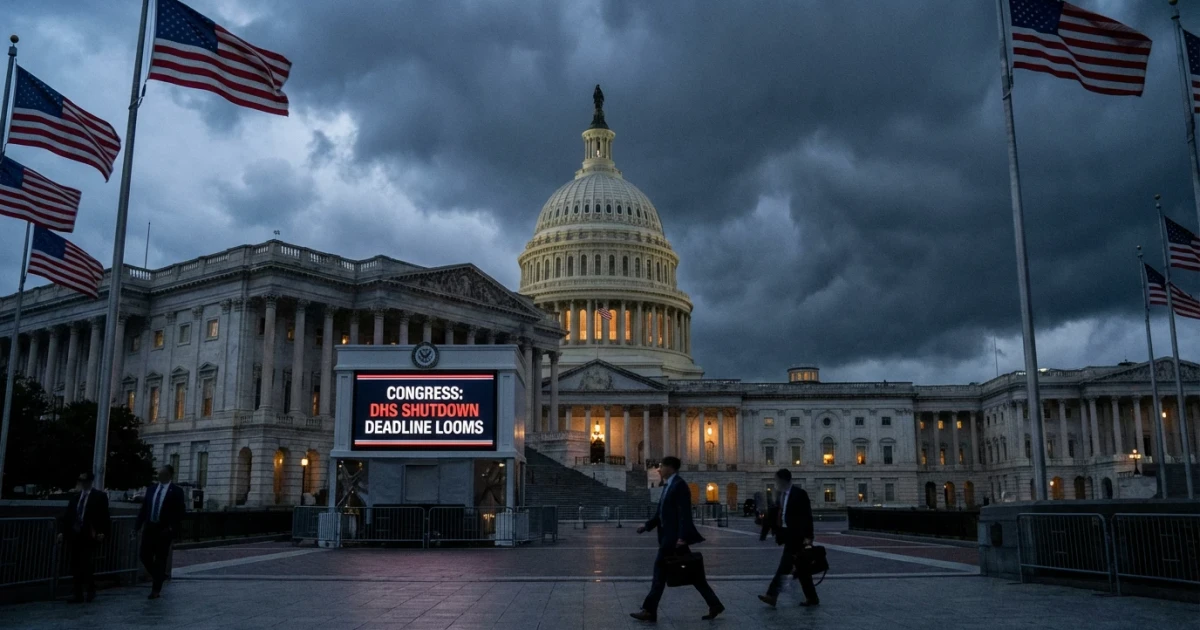
Washington, D.C. — With only 10 days remaining before a possible shutdown of the Department of Homeland Security (DHS), lawmakers on Capitol Hill are engaged in urgent negotiations to avoid disruptions that could impact national security, border protection, and immigration enforcement.
High Stakes as Deadline Approaches
The looming shutdown has thrust the DHS into the spotlight, with legislators under pressure to reach an agreement that will keep critical agencies such as Immigration and Customs Enforcement (ICE) operating. According to Politico, the debate centers on key funding issues and policy disagreements that threaten to stall progress, raising concerns about the potential consequences for public safety and border management.
- 10 days left for lawmakers to negotiate a funding bill.
- DHS plays a vital role in border security, counterterrorism, and disaster response.
- A shutdown would impact thousands of federal workers and critical operations.
Partisan Tensions and Political Stakes
As the deadline approaches, both parties are maneuvering to shape the outcome. The current impasse reflects deeper divisions over immigration policies and federal spending priorities, issues that have become political flashpoints in recent years. The risk of a DHS shutdown has raised the stakes, with potential ripple effects for upcoming elections and the broader government funding debate.
Potential Impacts of a DHS Shutdown
If lawmakers fail to reach a deal, the consequences could be far-reaching:
- Border security operations could be scaled back, with agents and officers facing furloughs or working without pay.
- Immigration processing and enforcement actions could be delayed or suspended.
- Disaster response capabilities may be compromised if the shutdown extends.
Given the critical functions DHS serves, a prolonged shutdown would not only affect federal employees but also communities across the country that depend on its services.
What Comes Next?
With the clock ticking, all eyes are on Capitol Hill as legislators continue negotiations. Both parties face pressure from constituents and advocacy groups to avoid a shutdown, but compromise remains challenging in the current polarized climate. As the deadline nears, the prospect of last-minute deals or temporary funding measures remains on the table, underscoring the unpredictable nature of the legislative process.
The outcome of this funding battle will shape not only the immediate future of DHS but also set the tone for broader debates over government spending and national security in the months to come. For the latest updates, follow the official DHS news releases and Congressional actions as negotiations continue.
Sources
- [1]Politico