Politics
Congress Faces Pressure to Act on Social Security
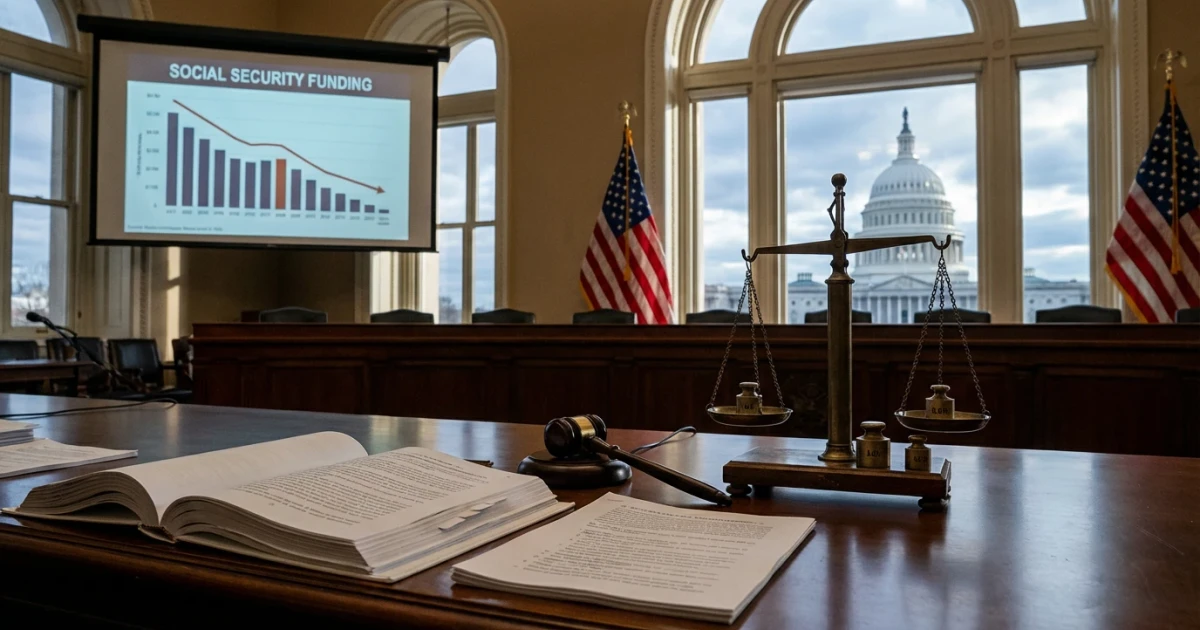
Congress is once again at the center of a national debate as lawmakers weigh potential reforms to Social Security, often referred to as the "third rail" of American politics due to its immense impact on millions and the political risks associated with any proposed changes. Recent discussions on Capitol Hill signal a renewed urgency to address the program’s solvency challenges, as projections show the trust fund is on a path toward depletion in the coming years.
Long-Term Funding Concerns
According to the latest Social Security Trustees Report, the combined trust funds that support retirement and disability benefits are projected to be depleted in the early to mid-2030s. Without legislative intervention, the program will only be able to pay approximately 77% of scheduled benefits after depletion, a scenario that has alarmed both beneficiaries and policymakers.
- More than 67 million Americans currently receive Social Security benefits, including retirees, disabled workers, and survivors, as reported in the Annual Statistical Supplement from the Social Security Administration.
- Program expenditures exceeded $1.2 trillion in 2023, making Social Security one of the largest federal expenditures.
Why Social Security Is the "Third Rail"
For decades, politicians have hesitated to propose significant changes to Social Security, fearing backlash from constituents who rely on its benefits. The Los Angeles Times notes that any effort to "touch the third rail"—a metaphor for the perceived political peril of adjusting the program—often sparks intense public scrutiny and partisan debate.
This reputation has made bipartisan compromise elusive, even as experts warn that inaction could result in automatic benefit cuts for millions of Americans.
Policy Options and Ongoing Debates
Several policy options have been discussed in Congress and among policy analysts, including:
- Gradually raising the payroll tax rate or the income cap subject to Social Security taxes
- Adjusting the formula used to calculate benefits, potentially reducing future payouts for higher earners
- Increasing the full retirement age, reflecting longer life expectancies
- Exploring new revenue sources or targeted benefit enhancements for vulnerable groups
According to analysis from the Committee for a Responsible Federal Budget, a combination of modest tax increases and benefit adjustments could secure the program’s long-term solvency without drastic cuts.
The Congressional Budget Office has also outlined various policy scenarios, estimating the fiscal impact and distributional effects of each proposal. However, each option carries trade-offs and faces political resistance, especially in an election year.
Public Sentiment and Political Stakes
Public opinion polls consistently show strong support for protecting Social Security benefits. Many Americans view the program as an earned right, and any hint of reduction tends to draw sharp criticism from advocacy groups and retirees. Lawmakers from both parties acknowledge the political risks, but some say the time for action is nearing as the trust fund’s depletion date draws closer.
What Comes Next?
While Congress has yet to reach a consensus, the increased attention to Social Security’s financial challenges suggests that reform may be unavoidable. The coming months are expected to bring further debate, with proposals likely to be shaped by both fiscal realities and the political calendar.
As policymakers confront the complexities and sensitivities surrounding Social Security, Americans will be watching closely to see if Congress can find common ground on a program that remains central to the nation’s social contract. For those seeking more data on the program’s status and possible reforms, official resources such as the Social Security Trustees Report and Congressional Budget Office analyses provide in-depth projections and policy comparisons.