Politics
Congress Faces Pressure to Prevent Future Government Shutdowns
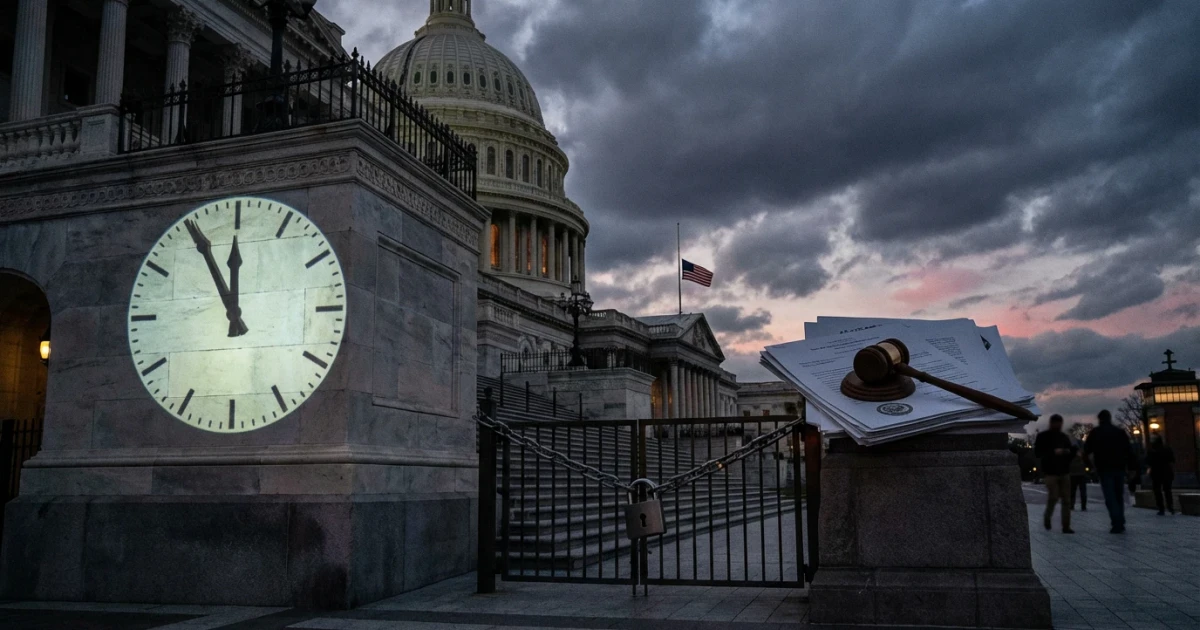
As another government funding deadline approaches, lawmakers in Washington are under increasing pressure to find a long-term solution to the recurring specter of federal shutdowns. Recent cycles of brinksmanship have not only disrupted public services but also eroded trust in Congress’s ability to govern effectively.
Recurring Shutdowns and Their Consequences
- Since 1976, the U.S. has experienced more than 20 government shutdowns or funding gaps.
- Shutdowns have ranged from a few hours to the 35-day partial closure in 2018-19, the longest on record, according to Pew Research Center.
- During shutdowns, federal agencies suspend non-essential operations, causing delays in services and financial hardship for hundreds of thousands of employees who are either furloughed or required to work without pay until funding is restored.
The Congressional Research Service details how shutdowns disrupt everything from national parks to critical research, and the Congressional Budget Office estimates the 2018-19 shutdown alone cost the U.S. economy billions in lost output.
Calls for Congressional Reform
There is growing bipartisan acknowledgment that the current process of funding the government through annual appropriations, often resolved at the last minute, is deeply flawed. As highlighted in The Hill, some lawmakers and policy experts are advocating for automatic continuing resolutions to keep agencies funded if Congress misses its deadlines, effectively eliminating shutdowns as a negotiation tactic. Others suggest reforms such as biennial budgeting or stricter enforcement of budget deadlines.
Proponents argue that these changes would:
- Protect federal workers and the public from service interruptions
- Reduce economic uncertainty for businesses and state governments
- Refocus Congress on long-term fiscal planning instead of recurring crises
Partisan Brinkmanship Remains a Challenge
Despite the apparent consensus on the need for reform, divisions remain over the best approach. According to background analysis from the Brookings Institution, shutdowns are often the result of partisan standoffs on contentious issues such as spending levels, border security, or health care funding. Lawmakers from both parties have, at times, used the threat of a shutdown to gain leverage, making genuine reform difficult to achieve.
Protections for Federal Employees
In recent years, Congress has at least moved to protect federal employees from some of the worst impacts. The Government Employee Fair Treatment Act of 2019 now guarantees back pay for furloughed workers after a shutdown ends, but many advocates argue this is not enough, as the uncertainty and missed paychecks still create hardship.
Looking Ahead
As the next funding deadline draws closer, pressure is mounting on Congress to adopt structural reforms that would eliminate the threat of government shutdowns. While several proposals are under consideration, partisan disagreements persist, leaving the possibility of future brinkmanship unresolved. Continued advocacy from public policy groups, federal employees, and the business community may eventually push lawmakers to prioritize long-term stability over short-term leverage, but for now, the risk of another shutdown remains.