Politics
Congress Faces Pressure to Resolve DHS Shutdown
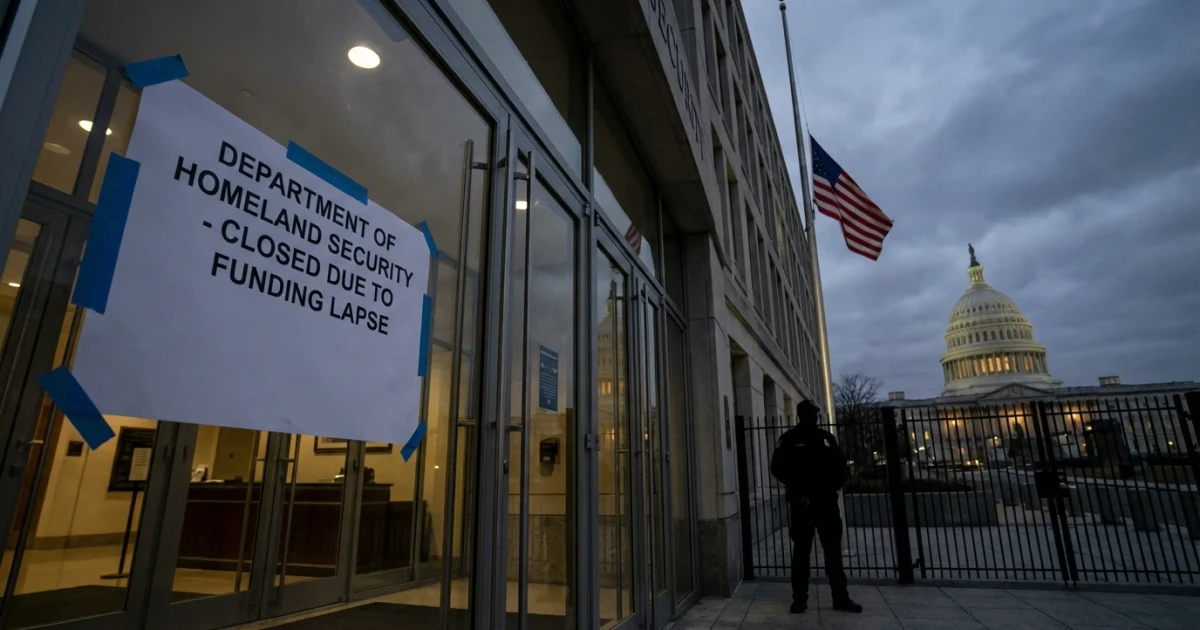
The Department of Homeland Security (DHS) remains shuttered as Congress continues to deliberate on appropriations, leaving many federal operations in limbo and raising concerns about national security and essential services. Lawmakers face mounting pressure to come to an agreement and restore the department’s full functions.
Current Status of the Shutdown
According to reporting from The Providence Journal, the DHS is still experiencing a partial shutdown after Congress failed to pass the necessary appropriations bill for fiscal year 2024. This lapse in funding has resulted in the suspension of non-essential operations and left thousands of federal employees furloughed or working without pay.
Historical data from the Government Accountability Office (GAO) indicates that shutdowns can disrupt government services, delay grant processing, affect border operations, and reduce support for disaster response. Essential personnel, such as those in law enforcement and emergency response, are typically required to continue working, but often without immediate pay.
Congressional Negotiations and Next Steps
The shutdown stems from a funding gap as lawmakers have yet to reconcile differences in the 2024 appropriations bills. Congress has been debating the Department of Homeland Security Appropriations Act, 2024, but no consensus has been reached on key provisions related to border security, immigration enforcement, and overall spending levels.
- Essential DHS operations continue, but many administrative tasks are paused.
- Federal employees under DHS are either furloughed or working without pay, as seen in previous shutdowns.
- Critical infrastructure and security services are prioritized per DHS shutdown contingency plans.
As noted by The Providence Journal, congressional leaders are actively negotiating, but it remains unclear when a vote to end the shutdown will occur. The timing depends on whether lawmakers can compromise on contentious issues, particularly those related to immigration policy and funding allocations.
Impacts on Government Services and Public Programs
The longer the shutdown persists, the greater the disruption to a range of government services. According to the Congressional Research Service, extended shutdowns in the past have resulted in:
- Delays in processing visas and immigration applications
- Reduced capacity for disaster response and preparedness
- Postponed federal law enforcement training and hiring
- Suspension of some research and grant programs
Essential activities—such as border protection, airport security, and cybersecurity—continue, but often with stretched resources and personnel working under increased strain. The DHS shutdown FAQs outline which services continue and which are suspended during funding lapses.
Path Forward: When Could Congress Vote?
There is no firm timeline for a congressional vote to restore DHS funding. The legislative process requires both chambers to agree on a final appropriations package, which would then be sent to the president for approval. Realistically, a vote could happen as soon as a compromise is reached, but contentious political debates may prolong negotiations into the coming days or weeks.
As pressure mounts from affected workers, federal contractors, and the public, analysts expect both parties to seek a resolution to minimize further disruptions. The situation remains fluid, with updates expected as talks continue.
Looking Ahead
Until Congress acts, the DHS will continue operating under shutdown conditions, prioritizing only core missions. The outcome of ongoing negotiations will determine when full services resume and how future appropriations battles may be handled. For those seeking more information, official updates and legislative actions can be tracked on the Congressional record.
The public, federal employees, and policymakers alike are watching closely for signs of a breakthrough that could end the shutdown and stabilize critical government operations.